How to Grow Sapodilla in Australia
Updated September 2026
A slow, tough tropical tree with fruit that tastes of brown sugar
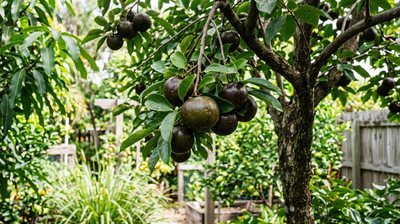
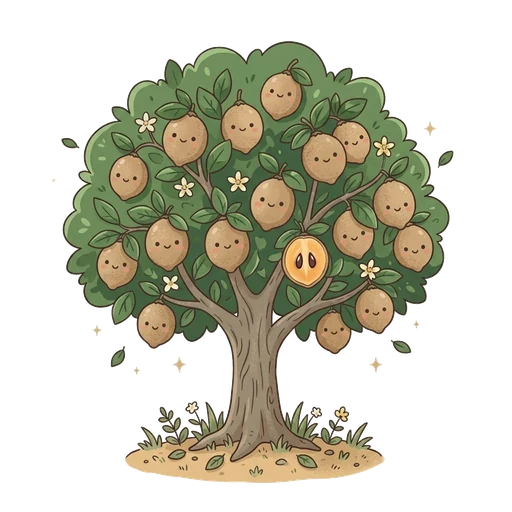
Sapodilla, Manilkara zapota, is a slow growing tropical evergreen of 5 to 12 m with glossy leaves and rough, brown skinned fruit. The flesh is soft, sweet and grainy, with a flavour of brown sugar and pear. Its milky sap, chicle, was the original base of chewing gum.
The tree is tough once established, very tolerant of wind and salt, and a good choice for exposed coastal yards in the tropics. This guide covers where it grows, planting and care, pests, and the tricky part: knowing when a sapodilla is ready to pick.
When to Plant in Your Region
Sapodilla is a tropical tree, planted as a grafted tree in warm, wet weather. Plant from October to December in South East Queensland and Northern Rivers NSW. Plant from November to March in North Queensland and Darwin & Top End. It is not suited to Sydney & Coastal NSW, Melbourne & Victoria, Adelaide & SA, Perth & WA, Tasmania and Canberra & ACT. Choose your region below for the local calendar and any regional note.
Climate and Where It Grows in Australia
Sapodilla is a true tropical tree that needs warmth all year and no frost.
North Queensland and the Top End are its home ground, with planting from November to March once the wet season rains arrive; it is a proven tree in both. South East Queensland and the Northern Rivers can grow it in warm, frost free spots, planted from October to December. Sydney, Melbourne, Adelaide, Perth, Tasmania and Canberra are not suited, as they are too cold for this slow tropical tree.
- South East Queensland: plant from October to December.
- Northern Rivers NSW: plant from October to December.
- Sydney & Coastal NSW: not suited. Not viable in Sydney. Too cold for this slow tropical tree.
- Melbourne & Victoria: not suited. Not viable in Melbourne. True tropical only.
- Adelaide & SA: not suited. Not viable in Adelaide. True tropical only.
- Perth & WA: not suited. Not viable in Perth. True tropical only.
- Tasmania: not suited. Unsuitable. True tropical only. Not viable in Tasmania.
- Canberra & ACT: not suited. Not viable. True tropical only.
- North Queensland: plant from November to March. Plant Nov to Mar once the wet season rains arrive. Very wind and salt tolerant, a good tree for exposed coastal yards.
- Darwin & Top End: plant from November to March. Plant Nov to Mar once the wet sets in. A proven Top End tree that shrugs off wind, salt and poor soil.
Choosing a Variety
Makok
A Thai variety with small, very sweet fruit on a relatively compact tree, which suits smaller yards.
Krasuey
A Thai variety with larger, rounder fruit and good flavour.
Seedlings
Slow to fruit and variable in quality. A grafted, named tree bears sooner and more reliably.
Planting
Plant in full sun in free-draining soil with a pH of about 6 to 7.5. Sapodilla tolerates sandy and even rocky soil, as well as coastal exposure, but not waterlogging.
- Space. Allow about 6 m between trees.
- Timing. In the tropics, plant as the wet begins so rain does the watering while roots establish.
- Frost. In the subtropics, choose the warmest, most sheltered spot and cover young trees on cold nights.
- Planting. Plant at the depth it sat in the pot, water in and mulch clear of the trunk.
Care
Watering
Water young trees regularly through the dry season for their first few years. Established trees are fairly drought tolerant, but regular water during flowering and fruit set gives better crops.
Feeding
Feed small amounts of a balanced fertiliser or compost several times through the warm, wet months rather than one large dose. Sapodilla is slow, and it responds better to steady feeding than a big push.
Pruning
Very little is needed. Shape young trees to a sturdy framework and keep the canopy low enough to reach the fruit. Remove dead or crossing branches after harvest.
Pollination
Grafted, named sapodillas usually set fruit without a partner, though a second tree can improve set. Flowering and fruiting can happen more than once a year in the tropics.
Pests and Diseases
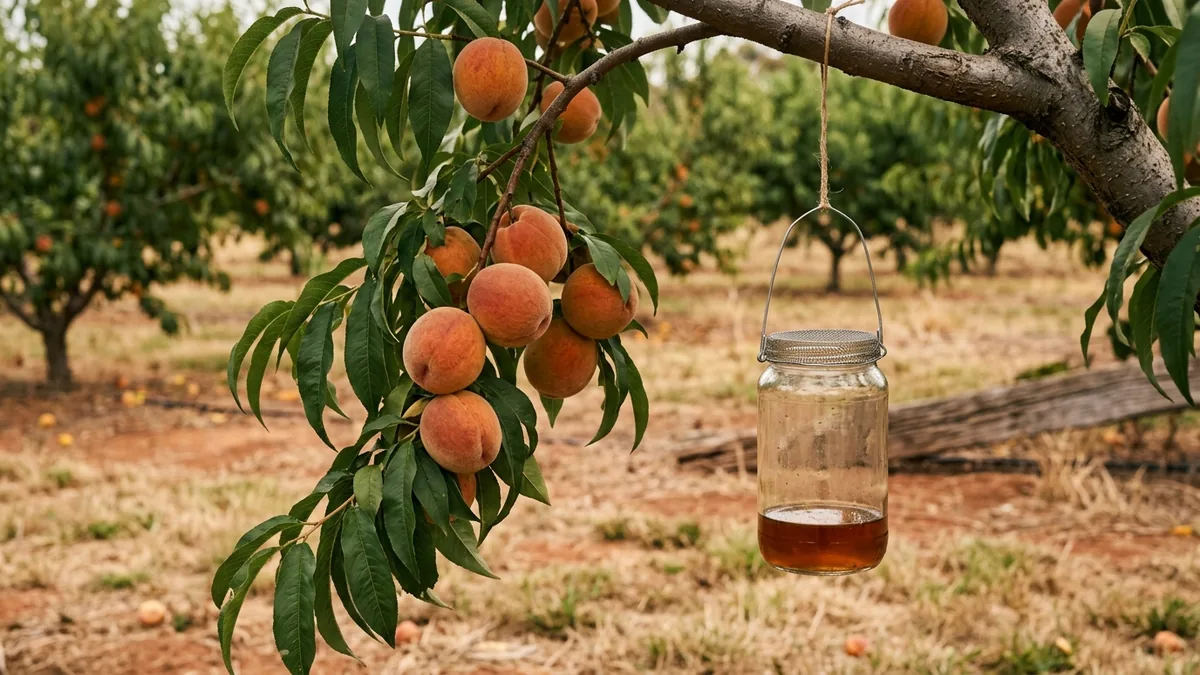
- Fruit fly. Ripening fruit is a target. Pick fruit at the mature stage and ripen it indoors, use traps, and clear fallen fruit. See our Fruit Fly guide.
- Scale. On stems and leaves, often with sooty mould. Horticultural oil controls it.
- Flying foxes and birds. They take fruit that softens on the tree, which is another reason to pick at maturity and ripen indoors.
The plant library lists few diseases. Good drainage prevents most root problems.
Harvest and Storage
Sapodilla does not change colour much as it matures, so it is hard to judge by eye.
- Scratch test. Gently scratch the skin with a fingernail. Green underneath means not ready. Yellow or light brown underneath, with the scurfy brown coating rubbing off easily, means mature.
- Pick mature fruit and leave it on the bench for a few days until it gives to gentle pressure.
- Eat soft. Unripe sapodilla is full of sticky latex and very astringent. Ripe fruit is soft, sweet and free of latex.
Ripe fruit keeps a few days in the fridge. Scoop the flesh from the skin and discard the shiny black seeds.
Track Your Sapodilla Tree
Add sapodilla to your garden in the Planting Season app and get reminders for planting, care and harvest, tuned to your region.
Open the App →Frequently Asked Questions
When should I plant sapodilla in Australia?
It depends on your region. Plant from October to December in South East Queensland and Northern Rivers NSW. Plant from November to March in North Queensland and Darwin & Top End. It is not suited to Sydney & Coastal NSW, Melbourne & Victoria, Adelaide & SA, Perth & WA, Tasmania and Canberra & ACT. Choose your region in the calendar on this page for the local window.
How do I know when a sapodilla is ripe?
Scratch the skin gently. If it is green underneath, the fruit is not ready. If it is yellow or light brown and the brown scurf rubs off, the fruit is mature. Pick it and ripen it on the bench until soft.
How long does a sapodilla tree take to fruit?
A grafted sapodilla usually starts fruiting in about four years. Seedling trees are much slower. The tree grows slowly throughout its life.
Can I grow sapodilla in Brisbane?
Yes, in a warm, frost free spot. The site lists South East Queensland as suited, with planting from October to December. The tree grows more slowly than in the tropics and young trees need shelter from cold.
See also: Sapodilla in the Plant Library