How to Grow Jerusalem Artichokes in Australia
Updated June 2026
A tough, productive perennial that practically grows itself
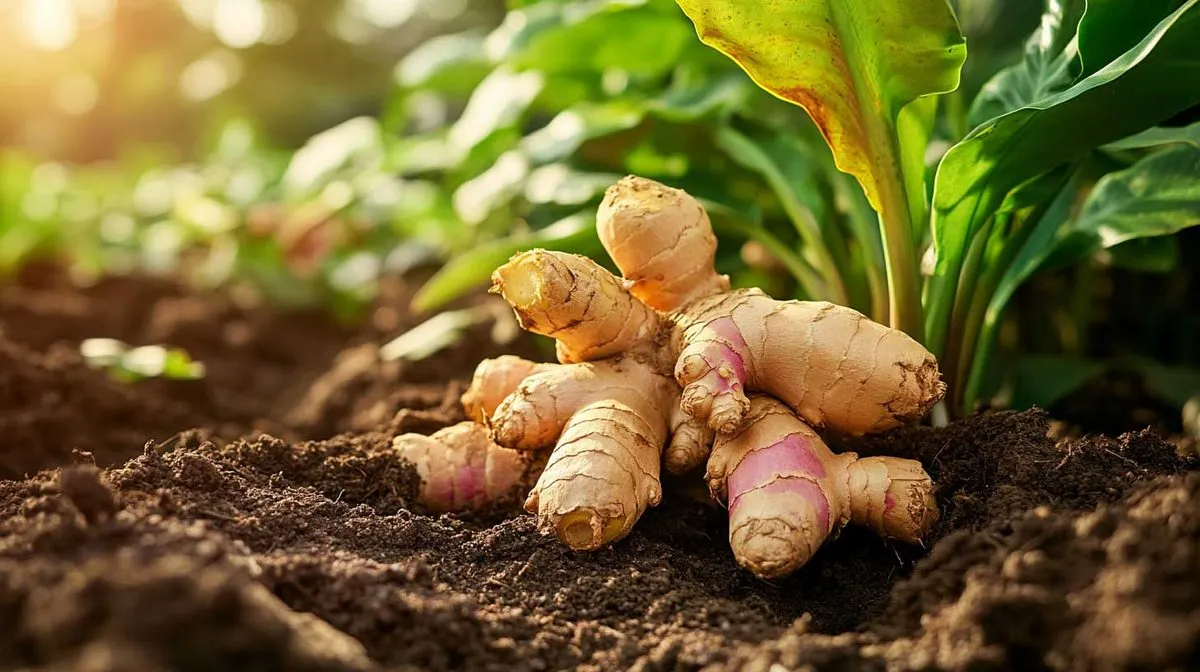
Jerusalem artichokes are not artichokes and they have nothing to do with Jerusalem. They are a species of sunflower (Helianthus tuberosus) that produces edible tubers underground. The tubers look like knobby ginger and taste nutty and sweet, somewhere between a potato and a water chestnut.
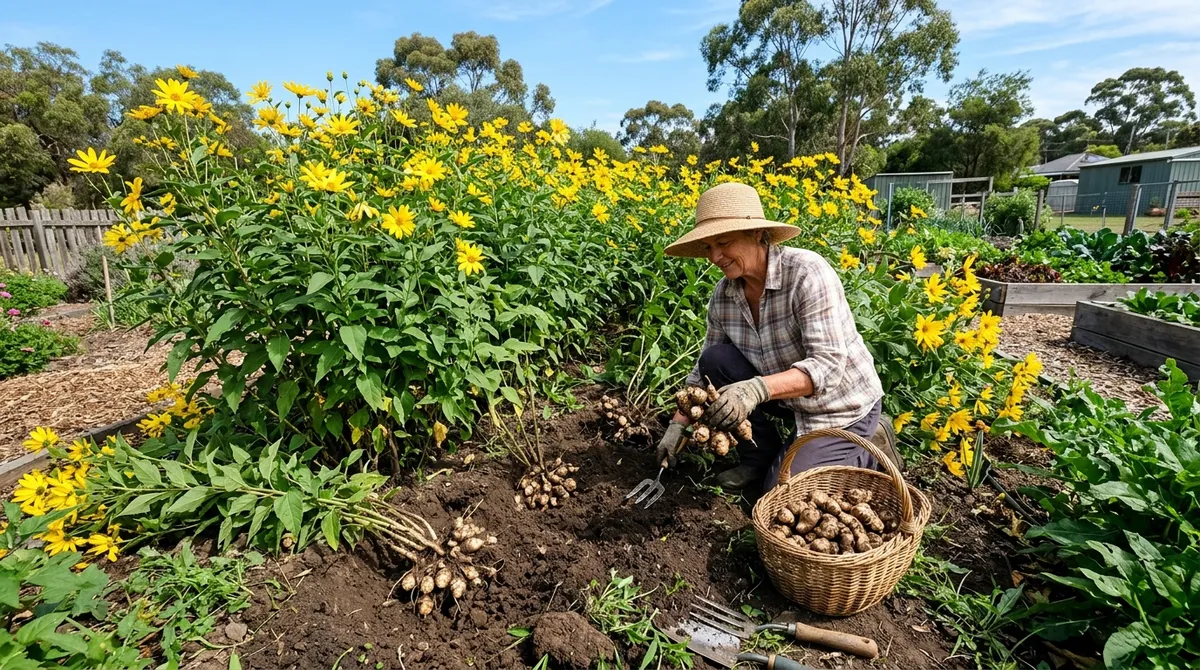
These plants are almost absurdly easy to grow. Put a tuber in the ground, water it occasionally, and by autumn you will have a 2 to 3 metre tall plant covered in small yellow sunflowers with kilos of tubers underneath. The real challenge is stopping them from taking over your garden.
🌱 Plant profile: Jerusalem Artichoke, with sowing times for your region, companion plants and common pests.
Why Grow Jerusalem Artichokes?
There are good reasons this old-fashioned crop is making a comeback in Australian gardens:
- Almost zero effort. They need no staking, no pest control, no special feeding, and minimal watering once established.
- Perennial crop. Leave a few tubers in the ground each year and the patch will come back on its own. A single planting lasts indefinitely.
- High yields. One tuber planted in spring produces 2 to 4 kg of tubers by autumn. A small patch of 10 plants can yield 20 to 40 kg.
- Prebiotic food. Jerusalem artichokes are one of the richest natural sources of inulin, a prebiotic fibre that supports gut health.
- Beautiful plants. The tall stems topped with bright yellow sunflower-like blooms make an attractive screen or backdrop in late summer.
- Fills the gap. They produce food in autumn and winter when many other crops are winding down.
When to Plant
Plant tubers in late winter to early spring (July to September in most regions). This gives them the full growing season to develop. The plants grow through spring and summer, flower in late summer, and the tubers are ready to harvest from autumn onward once the tops die back.
In tropical and subtropical regions, plant from May to July. The plants still need a period of cooler weather to trigger tuber formation.
How to Plant
Source tubers from a nursery, online supplier, or from a gardening friend. You can also plant tubers bought from a greengrocer or farmers' market. Pick firm, healthy-looking tubers about the size of a small egg.
- Choose a spot in full sun. Jerusalem artichokes tolerate part shade but produce fewer tubers.
- Dig in some compost or aged manure. They will grow in poor soil, but good soil produces bigger yields.
- Plant tubers 10 to 15 cm deep, 30 to 40 cm apart. The eye (growing point) should face upward.
- Water well after planting, then leave them alone. They will sprout in 2 to 3 weeks.
Containment Strategies
This is the most important section in this guide. Jerusalem artichokes earn their reputation as garden thugs. Removing them completely once established is extremely difficult. Here are proven containment methods:
Grow in large pots
A 60 to 80-litre pot or half wine barrel works well. Fill with good potting mix, plant 3 to 4 tubers, and you will get a decent harvest with zero spread risk. The plants will be shorter (1.5 to 2 metres instead of 3 metres) and yields will be lower than in-ground planting, but containment is absolute.
Raised bed with solid base
A raised bed sitting on concrete, pavers, or heavy-duty weed mat prevents tubers from escaping downward. Line the inside walls with root barrier fabric or thick plastic if the bed has open sides.
Dedicated patch with mown border
Allocate a corner of the garden exclusively for Jerusalem artichokes. Keep the surrounding area mown or regularly cultivated. Any tubers that spread into the mown area will be killed by regular mowing before they establish. A 1-metre mown border around the patch is usually sufficient.
Harvest thoroughly
The simplest containment method is to dig out every tuber each year. Fork over the entire patch after the tops die back, removing every tuber and tuber piece you can find. Replant only what you want for next year in a controlled spot. This works, but you will inevitably miss a few, and they will grow back.
Growing Care
Jerusalem artichokes need very little attention during the growing season. Water during prolonged dry spells, especially while the plants are young. Once established, they are remarkably drought-tolerant for a plant that produces so much biomass.
Feeding is optional. A side-dressing of compost or aged manure in early spring is enough. Too much nitrogen fertiliser produces tall, leafy growth at the expense of tuber production.
The plants grow 2 to 3 metres tall and can be blown over in strong wind. In exposed positions, stake the main stems or plant them along a fence. They make an excellent temporary summer screen or windbreak for more delicate crops.
Cut the flower heads off as they fade if you want to direct more energy into tuber production. Some growers cut the stems back to 1.5 metres in early summer to reduce wind damage and promote tuber growth. This is optional but can improve yields.
Harvesting
Harvest begins when the tops die back in autumn, usually around May in most Australian regions. The tubers continue to develop right up until the plant dies, so resist the urge to dig early.
In cool climates, waiting until after the first frost improves flavour. Frost converts some of the starchy inulin in the tubers to fructose, making them sweeter and more digestible.
How to harvest
Use a garden fork and dig carefully around the base of each plant. The tubers cluster around the main stem but can also form 30 to 50 cm away. Work outward from the stem to catch stragglers. Be thorough if you want to contain the patch.
Storage
Jerusalem artichokes do not store well once dug. The thin skin means they dry out and go soft within a week or two, even in the fridge. The best storage method is to leave them in the ground and dig what you need when you need it. They stay firm in the soil through winter.
If you need to store harvested tubers, keep them in a plastic bag in the crisper drawer of the fridge. They will last 1 to 2 weeks. Do not wash them until you are ready to use them.
Varieties
Named varieties are not always easy to find in Australia, but these are worth seeking out:
- Fuseau. Smoother, less knobby tubers that are easier to peel. Lower yields than wild types but better for kitchen use.
- Dwarf Sunray. A shorter variety (1 to 1.5 metres) that works better in containers and small gardens.
- Stampede. Early maturing variety with large tubers. Good for regions with shorter growing seasons.
- Red Fuseau. Red-skinned variety with smooth tubers. Attractive and slightly sweeter than white types.
If you cannot find named varieties, any Jerusalem artichoke tubers from a market or friend's garden will grow perfectly well. The unnamed types are typically more vigorous and productive than named cultivars.
Cooking Tips
Jerusalem artichokes are versatile in the kitchen. Here are the best ways to use them:
- Roasted. Cut into chunks, toss with olive oil, salt, and rosemary, and roast at 200 degrees for 30 to 40 minutes. The edges caramelise and the inside goes creamy. This is the best way to eat them.
- Soup. Peel, chop, and simmer with onion, garlic, and stock until soft. Blend until smooth. A squeeze of lemon brightens the flavour.
- Raw in salads. Peel and thinly slice or shave with a mandoline. They add a clean, crunchy texture similar to water chestnuts.
- Mashed. Cook and mash like potatoes. They are creamier than potatoes and slightly sweet.
- Chips. Slice thinly and deep-fry or air-fry until crispy. Season with salt and rosemary.
Frequently Asked Questions
Are Jerusalem artichokes easy to grow?
Yes. Jerusalem artichokes are one of the easiest food crops you can grow. Plant a tuber in the ground and it will produce a large plant that yields 2 to 4 kg of tubers with almost no care. The challenge is stopping them from spreading, not getting them to grow.
When do you harvest Jerusalem artichokes?
Harvest after the tops die back in autumn or early winter, usually May to July in Australia. In cool climates, waiting until after the first frost improves flavour by converting starches to sugars. Tubers store best left in the ground and dug as needed.
How do you stop Jerusalem artichokes from spreading?
Grow them in a contained area such as a large pot, a raised bed with solid walls, or a dedicated patch bordered by mown lawn. Harvest thoroughly each year, removing every tuber you can find. Even a small piece of tuber left behind will regrow.
Do Jerusalem artichokes cause gas?
Yes, they contain inulin, a carbohydrate that humans cannot fully digest. Bacteria in the gut ferment it, producing gas. Start with small servings and increase gradually as your gut bacteria adapt. Cooking methods like roasting and slow cooking break down some inulin and reduce the effect.
What do Jerusalem artichokes taste like?
They have a nutty, slightly sweet flavour similar to a cross between a potato and a water chestnut. Roasting brings out the sweetness. They can also be eaten raw in salads, where they have a crisp, crunchy texture.
See also: Jerusalem Artichoke in the Plant Library
Plant profile
The jerusalem artichoke profile has sowing times for your region, companion plants and common pests.