
Bee-Friendly Planting: A Year-Round Guide for Australian Gardens
Updated June 2026
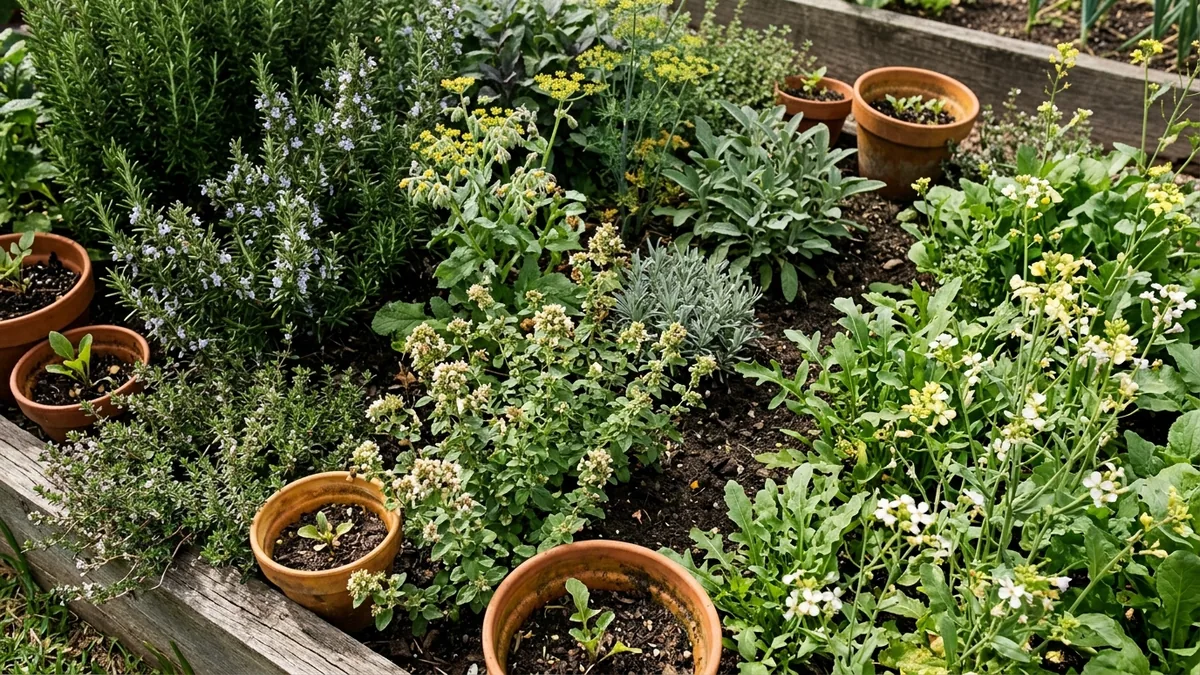
How to plant your whole garden for bees, with flowers in every season, safe spraying, water, and habitat for native bees
A garden that hums with bees is healthier, more productive, and more alive. This guide is about planting for bees across your whole garden, building a chain of bloom through every Australian season, giving bees water, keeping them safe from sprays, and welcoming native bees. If you specifically want to know which crops need pollinating and how to hand-pollinate them, our companion guide on the bee-friendly veggie patch covers that pollination angle in detail. Here we focus on the planting itself.
What to Plant for Bees, by Season
Pick an Australian season and this picker shows bee-friendly edibles and herbs, flowers, and natives that bloom then. Use it to fill the gaps in your year so there is always something in flower.
Why Bees Matter for Your Garden
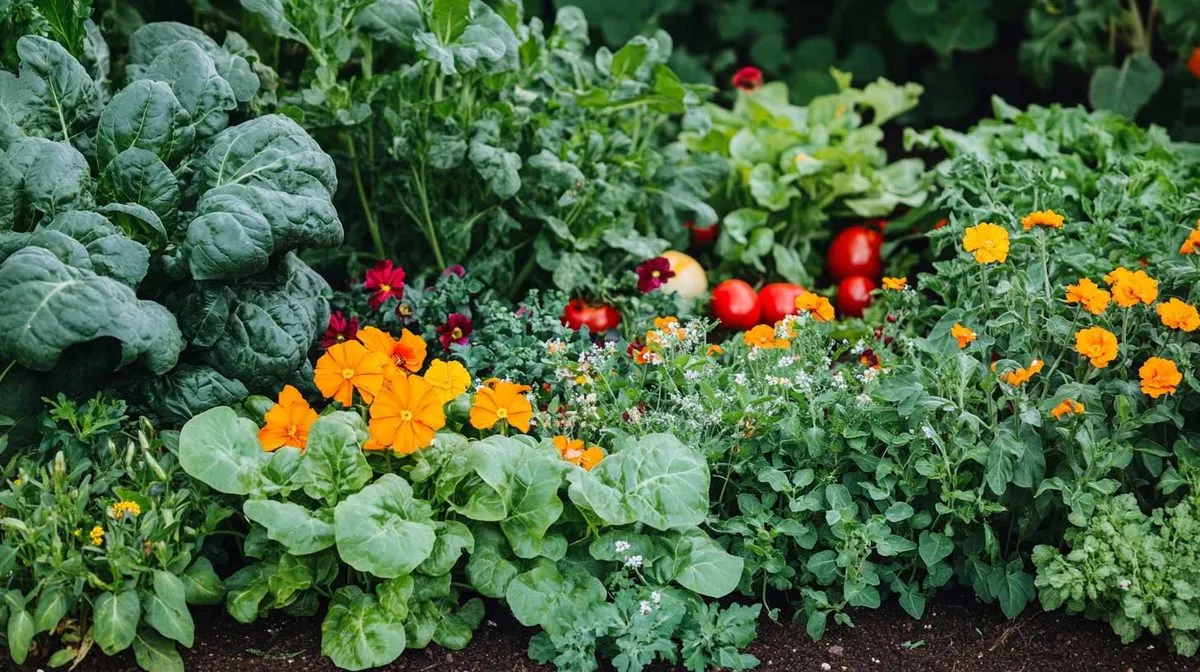
Bees are the engine room of a productive garden. Around a third of what we eat depends on pollinators, and in the home garden their effect is direct and visible. Better pollination means more zucchini, fuller pumpkins, heavier crops of beans and cucumbers, and better fruit set on apples, citrus, and berries. Plant for bees and you are really planting for your own harvest. The flowers also bring in hoverflies, lacewings, and predatory wasps that help keep pests down, so a bee-friendly garden tends to be a more balanced one all round.
Planting for Continuous Bloom
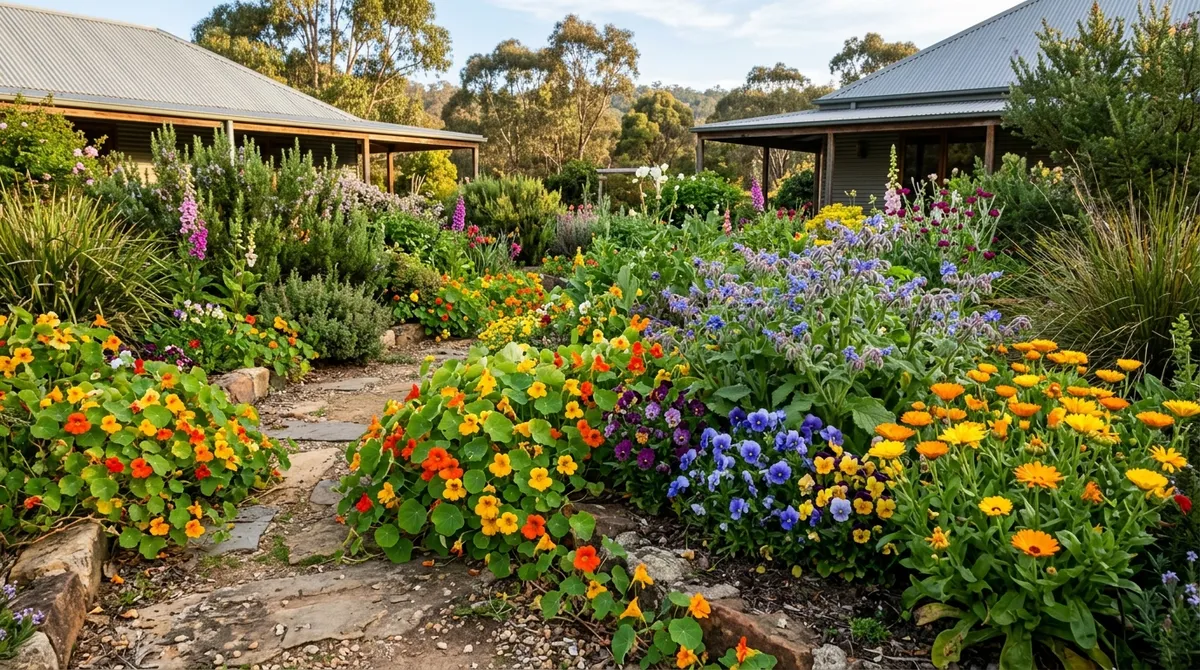
The single most useful thing you can do for bees is to make sure something is always in flower. Most gardens have a "flower gap", a stretch, often in late autumn or winter, when nothing is blooming. When the food runs out, local bees decline or move away, and they may not be back in numbers when your spring crops need them. The fix is to plant for continuous bloom by combining annuals, perennial herbs, and native shrubs that flower at different times. Use the picker above to find what flowers in each season, then deliberately plant for the seasons you are currently missing. Australian natives are your secret weapon here, because grevillea, callistemon, banksia, and wattle carry the garden through autumn and winter when most exotic flowers have given up.
The Top Bee Plants and Why Each One Works
A handful of plants give you the most bee value for the least effort. These are the ones to build your garden around.
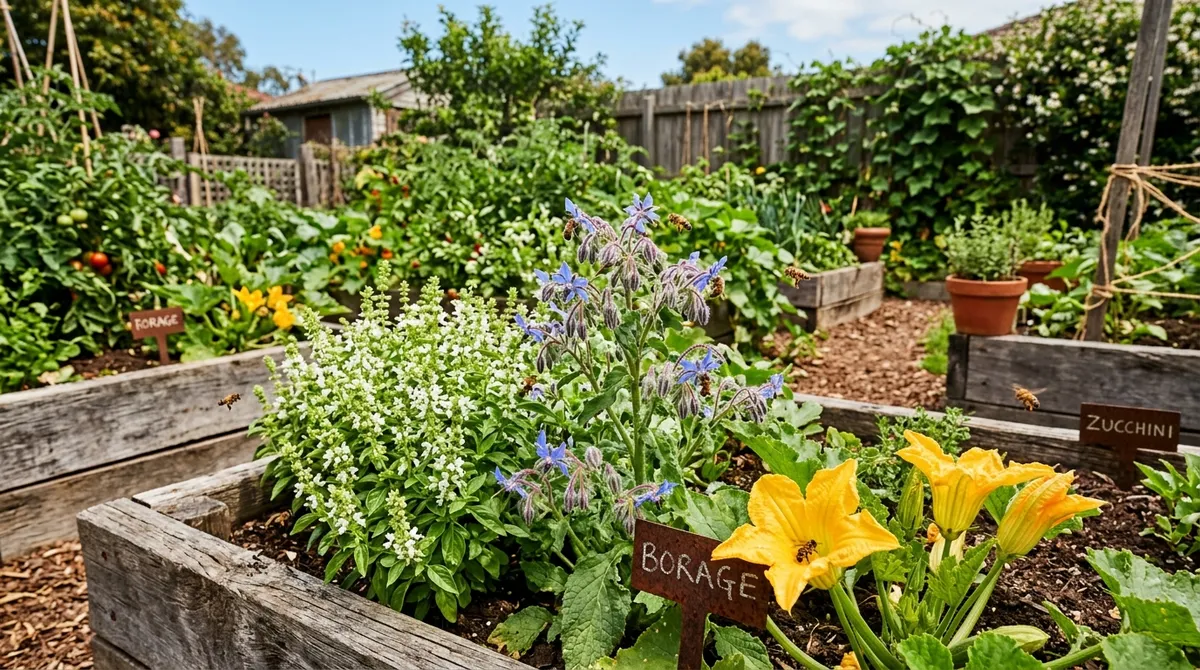
- Borage: the champion. Bright blue, nectar-rich flowers for months, it self-seeds so you plant it once, and bees can detect it from a long way off. The flowers are edible too. See our guide to growing borage.
- Lavender: a perennial favourite that flowers heavily, smells wonderful, and makes a tidy low hedge. See our lavender growing guide.
- Salvia: a huge family of tough, long-flowering plants in blues and purples that bees adore, including over the shoulder seasons.
- Flowering herbs: rosemary, thyme, oregano, sage, and basil all draw bees once you let them bloom, and you still get to harvest the leaves.
- Fruit blossom: apple, pear, citrus, and stone fruit give a big spring burst of bee food right when colonies are building.
- Sunflowers: a tall summer beacon packed with pollen that bees spot from a distance.
- Phacelia: a fast-growing flower sometimes sown as a green manure that is one of the most attractive bee plants you can grow.
Avoiding Bee-Harming Sprays
You cannot build a bee garden and then spray it. The most important rule is simple: never spray open flowers, because that is exactly where bees are working. Wherever you can, reach for non-chemical options first, hand-picking pests, hosing off aphids, encouraging predators, and using barriers and traps. Our guide to homemade feeds and sprays covers gentler alternatives.
If you do decide you must spray, spray only in the evening once bees have stopped foraging for the day, target only the affected plant, never the flowers, and choose the least harmful product, following the label exactly. Be especially cautious with systemic insecticides on flowering plants, as these can carry through to nectar and pollen. A good bee garden is mostly a spray-free one.
Water for Bees
Bees need water as much as they need flowers, for drinking and for cooling the hive in summer, yet a deep dish or pond is a drowning hazard for them. The fix takes two minutes. Fill a shallow dish or bird bath with pebbles, stones, or marbles so that some of them poke above the water line. The bees land on the dry stones and drink safely from the shallow edges without falling in. Place it near your flowers, keep it topped up through hot, dry weather, and refresh it regularly. A reliable water source can be the difference between bees passing through and bees settling in.
Native Bees vs Honey Bees
When people picture bees they usually think of the European honey bee, but Australia is home to around 2000 native bee species, and they are superb garden pollinators. Most are solitary and do not make honey, but they more than earn their place. Blue-banded bees and teddy bear bees are buzz-pollinators that are exceptional on tomatoes, eggplants, and blueberries. Leafcutter bees quietly pollinate a wide range of plants. The stingless social bees, such as Tetragonula, live in colonies, pose no sting risk, and can even be kept in a hive in warm climates.
Native bees need a little habitat as well as flowers. Many are ground-nesters, so leaving a patch of bare, undisturbed, sunny soil, free of mulch, gives blue-banded bees somewhere to nest. Cavity-nesting species will use a bee hotel made from bundles of hollow bamboo or stems and drilled hardwood blocks. Add native flowering plants, go easy on the sprays, and you will support a far wider range of pollinators than honey bees alone. To work out who is visiting, try our bee identifier, and explore more in the bees section.
Reference: Top Bee Plants for Australian Gardens
| Plant | Type | Bloom season (AU) | Why bees love it |
|---|---|---|---|
| Borage | Edible herb / annual | Spring to autumn | Constant nectar, refills fast, easy to find |
| Lavender | Perennial herb | Spring and summer | Long flowering, nectar-rich, scented |
| Salvia | Perennial | Spring to autumn | Months of blue and purple flowers |
| Rosemary | Edible herb | Winter and spring | Flowers in the cold-season flower gap |
| Sunflower | Annual flower | Summer | Abundant pollen, visible from afar |
| Phacelia | Annual / green manure | Spring and summer | One of the most attractive bee plants |
| Calendula | Edible flower | Spring to autumn | Open flowers, easy nectar, self-seeds |
| Grevillea | Native shrub | Autumn and winter | Feeds bees when little else flowers |
| Callistemon (bottlebrush) | Native shrub | Spring to summer, some winter | Magnet for native and honey bees |
| Banksia | Native shrub | Autumn and winter | Rich winter nectar for native bees |
Plan a Garden That Flowers All Year
The Planting Season app shows what to plant each month in your region, so you can close the flower gaps and keep bees fed through every season.
Open the App →Seasonal Note for Australian Gardeners
Remember that our seasons are flipped from the northern hemisphere, so any bee-planting list from overseas will be six months out of step. In Australia summer runs December to February, autumn March to May, winter June to August, and spring September to November. The picker above is already set to Australian seasons. Cool-climate gardeners in Melbourne, Tasmania, and the highlands should shift the warm-season suggestions a few weeks later and lean harder on winter-flowering natives, while gardeners in the warm, frost-free north can keep many of these plants flowering for far longer. Check what suits your own region before you plant.
Frequently Asked Questions
What is the best plant to attract bees in Australia?
Borage is hard to beat for sheer bee traffic. It flowers for months, self-seeds, and the flowers are edible. For year-round value, pair it with perennials like lavender, salvia, and rosemary, and native shrubs such as grevillea and callistemon that flower when little else does.
How do I give bees flowers all year round?
Plant for continuous bloom so there is no flower gap. Combine annuals, perennial herbs, and native shrubs that flower in different seasons. Natives like grevillea, callistemon, and banksia are especially valuable through autumn and winter when most exotic flowers have finished.
Do native bees and honey bees need different plants?
There is a lot of overlap, but native bees benefit greatly from Australian native flowering plants and from undisturbed habitat. Many native bees are also specialists, so a mix of native and exotic flowers, plus bare ground and bee hotels, supports the widest range of species.
How do I provide water for bees?
Put out a shallow dish or bird bath filled with pebbles or stones that poke above the water line. The stones give bees a safe place to land and drink without drowning. Keep it topped up, especially through hot dry spells, and place it near your flowers.
Can I spray my garden and still protect bees?
Wherever possible, avoid spraying and use non-chemical methods first. If you must spray, never spray open flowers, and spray only in the evening once bees have stopped foraging. Choose the least harmful option, follow the label, and avoid systemic insecticides on flowering plants.
How many native bee species are there in Australia?
Australia has around 2000 native bee species, including blue-banded bees, teddy bear bees, leafcutter bees, and the stingless social bees such as Tetragonula. Most are solitary and do not make honey, but they are excellent pollinators of gardens and crops.
What flowers do bees like best?
Bees are drawn to simple, open, single flowers rich in nectar and pollen, especially in blue, purple, and yellow. Borage, lavender, salvia, flowering herbs, sunflowers, phacelia, and fruit blossom are all reliable favourites. Avoid heavily bred double flowers, which often have little nectar or pollen.
How do I make habitat for native bees?
Leave a patch of bare, undisturbed ground for ground-nesting bees like blue-banded bees, add a bee hotel of hollow stems or drilled hardwood for cavity nesters, and include native flowering plants. Reducing mulch in one sunny corner and avoiding sprays makes a big difference.
Free Monthly Planting Calendar
Get a personalised email each month with what to plant, seasonal tips, and harvest reminders for your region.
We send one email per month. Unsubscribe any time.