
Tomato and Potato Blight
Updated June 2026
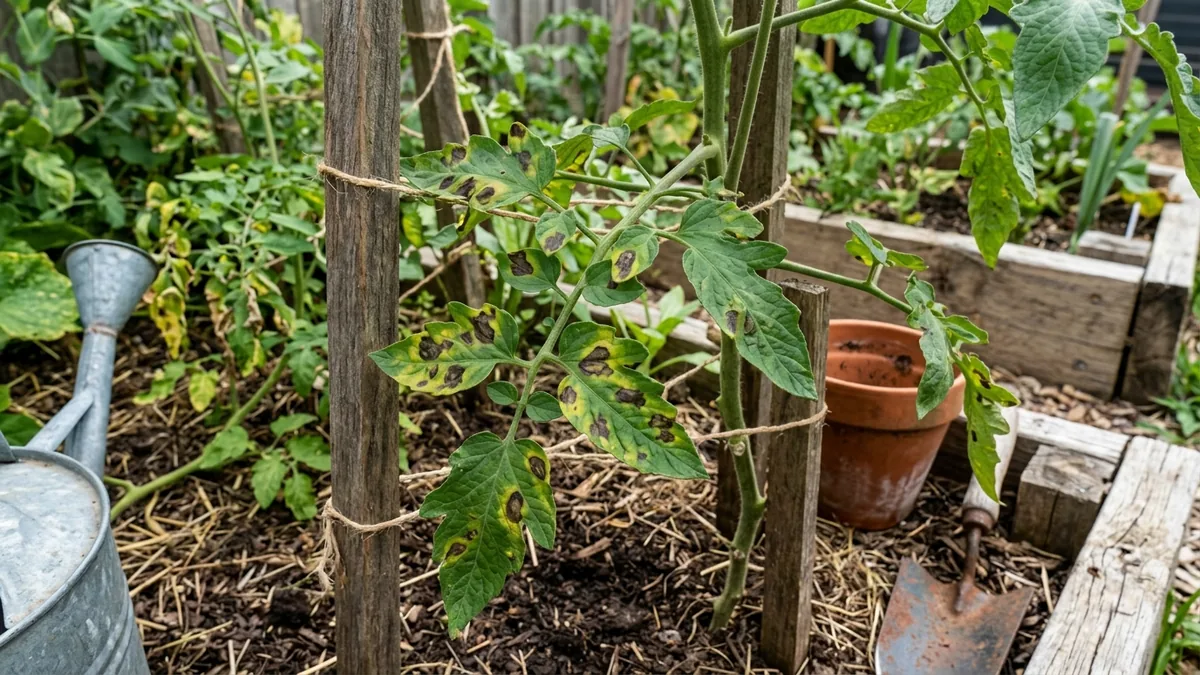
Tell early blight from late blight, understand the weather that drives them, and control them the organic way with cultural steps and copper
Blight is the disease that makes a thriving tomato or potato patch turn brown and collapse, sometimes in a matter of days. It comes in two forms, early blight and late blight, and the first thing to understand is that this is not a pest you can spray your way out of. Blight is a fungal-type disease, so there is no insecticide that touches it and no spray that cures an infected leaf. The plants you save are the ones you protect before the disease arrives, through airflow, dry foliage, rotation, clean-up and resistant varieties, with copper as a careful backstop when pressure is high.
This guide shows you how to tell the two blights apart, the cool-wet or warm-humid conditions each one needs, the damage they do, and a practical organic control ladder built around prevention. The interactive tool below builds you a plan depending on whether you want to prevent blight, manage it organically once it appears, or step up your protection in a high-risk year. Because blight is a disease and not an insect, the tool focuses on cultural controls and copper, not sprays that harm bees.
Build Your Blight Control Plan
Pick the approach that fits your situation. The tool lays out the recommended steps for blight specifically, which are cultural and protective rather than curative. Prevention does most of the work, so start there whenever you can.
Choose an approach above to see your recommended steps.
Early Blight vs Late Blight
The two diseases look different, behave differently and need different weather. Knowing which one you have tells you how worried to be.
Early blight (Alternaria)
Brown spots with concentric rings, like a dartboard or target, usually ringed by a yellow halo. It starts on the older lower leaves and creeps upward. Common, slow-moving and rarely fatal, but it weakens plants and reduces yield. Favoured by warm, humid weather and by stressed or hungry plants.
Late blight (Phytophthora infestans)
Large, irregular, greasy grey-green to dark brown patches on leaves and stems, often with a fuzzy white growth on the leaf underside in damp weather. It moves fast and can collapse a plant or a potato crop in days. The serious one. Needs cool, wet, humid conditions, and spreads on the wind.
On the fruit and tubers
Early blight can cause dark, leathery, sunken spots at the stem end of tomatoes. Late blight causes greasy brown patches on green fruit and a firm brown rot in potato tubers, in the ground and in storage.
The shared risk
Tomatoes and potatoes are close relatives and share both blights. Late blight in particular passes readily between them, so an infected potato or a self-sown volunteer can seed disease into your tomatoes, and the other way around.
The Conditions That Drive Blight
Blight is not random. Both forms need one thing above all: leaf wetness. The spores germinate and infect only when leaves stay damp for hours, which is why how and when you water matters so much.
- Late blight thrives in cool, wet, humid spells, often after several damp, overcast days in the mild parts of the season. Cool nights with dew or rain and humid days are its perfect setup.
- Early blight prefers warm, humid weather with periods of leaf wetness, and hits hardest on plants stressed by drought, poor nutrition or a heavy crop load.
- Both spread by spores that splash up from infected soil and plant debris, blow in on the wind, and overwinter on leftover potatoes, volunteers and infected debris.
This is why blight pressure rises in humid coastal and cooler regions and during wet seasons, and why a hot, dry summer can pass with barely a spot.
The Damage Blight Does
- Leaf collapse. Lesions spread, leaves brown and die, and the plant loses the foliage it needs to feed its fruit. Late blight can defoliate a plant in days.
- Ruined fruit. Blight lesions on tomatoes make the fruit inedible, and late blight rots green fruit on the vine.
- Rotten tubers. Late blight rots potatoes in the ground and continues to rot them in storage, turning a harvest to mush.
- Carryover. Infected debris, leftover tubers and volunteers carry the disease into next season, which is why clean-up is part of control.
The Organic Control Ladder
Because blight cannot be cured once it infects a leaf, this ladder is mostly about protection and slowing spread. Work from the top down.
- Choose resistant varieties and certified seed. Start with tomato and potato varieties bred for blight resistance, and plant certified disease-free seed potatoes rather than supermarket tubers.
- Space wide and stake for airflow. Crowded, still, damp foliage is what blight wants. Wide spacing, staking and pruning lower leaves let leaves dry fast.
- Water at the base, in the morning. Keep foliage dry. Water the soil, not the leaves, early in the day so any splash dries quickly. Mulch to stop soil splashing spores onto lower leaves.
- Remove affected leaves early. At the first target-spots or greasy patches, pick off and bin the affected leaves (do not compost late blight). Removing the lowest leaves as a habit slows early blight.
- Copper, as a protective backstop. When blight pressure is high or it has just appeared, a copper-based fungicide can protect healthy tissue. It is preventive only, so timing and reapplication after rain matter. Use sparingly and per the label.
- Pull and destroy badly infected plants. With late blight, remove and bin or burn the whole plant promptly so it cannot seed the rest of the patch.
What not to do
Do not reach for an insecticide. Blight is a disease, not a bug. Insect sprays do nothing against it, and a broad-spectrum insecticide just kills the bees and beneficial insects your garden needs while leaving the blight untouched.
Do not water overhead in the evening. Soaking the leaves and leaving them wet overnight gives both blights exactly the conditions they need. Water the soil in the morning instead.
Do not overuse copper. Copper is a useful organic backstop but it builds up in soil over years and can harm soil life and waterways. Use the lowest effective rate, only when needed, and follow the label and withholding period. It protects, it does not cure.
Do not leave infected material in the garden. Stray potatoes, self-sown tomatoes and blighted debris carry the disease to next year. Clear them out.
Preventing Blight
- Rotate crops. Do not grow tomatoes or potatoes in the same bed more than once every three years, and keep the two apart since they share blight.
- Grow resistant varieties. Pick tomato and potato varieties with named blight resistance, especially in humid and cooler regions.
- Plant clean. Use certified seed potatoes, not sprouting kitchen spuds, which can carry late blight.
- Build airflow. Space generously, stake and trim lower foliage so leaves dry quickly after rain or dew.
- Mulch and water low. Mulch to stop soil splash, and water the base of the plant in the morning to keep leaves dry.
- Clean up every season. Remove all crop debris, dig out every leftover tuber, and pull self-sown volunteers that could harbour the disease.
Plants Affected by Blight
Blight is a disease of the potato family (the Solanaceae), so it concentrates on a short list of relatives.
- Tomatoes are the most commonly affected in home gardens, hit by both early and late blight.
- Potatoes are the classic host, with late blight rotting both foliage and tubers.
- Capsicum, chilli and eggplant can be affected, usually less severely than tomatoes and potatoes.
- Self-sown tomato and potato volunteers act as reservoirs that carry blight between seasons, so remove them.
When Blight Is Serious
Treat late blight as an emergency. If you see fast-spreading, greasy grey-green patches with white fuzz on leaf undersides during a cool, wet spell, remove affected plants at once and bin or burn them so the disease cannot spread to the rest of your tomatoes and potatoes and to neighbouring gardens on the wind. A potato crop showing late blight on the foliage should be cut down and the tubers left in the ground a couple of weeks before careful harvest, so spores on the surface die off rather than infecting the tubers as you dig. Early blight is less urgent but worth acting on when it climbs from the lower leaves into the canopy, as a plant stripped of foliage cannot ripen a good crop. In a wet, humid season in a blight-prone region, lean harder on prevention from the start: resistant varieties, wide spacing, dry foliage and timely copper.
Catch the blight weather before it catches you
The Planting Season app includes a Pest Calendar that flags when conditions favour blight and other problems in your region, so you can get ahead with airflow, mulch and protection. Plan your tomato and potato beds, rotate with confidence, and track the season.
Open the App →Frequently Asked Questions
What is the difference between early blight and late blight?
Early blight (Alternaria) shows as brown spots with concentric rings, like a target, starting on the older lower leaves and spreading slowly upward. It is common and rarely kills a plant outright. Late blight (Phytophthora infestans) is far more aggressive. It shows as large, greasy, grey-green to brown patches, often with a fuzzy white growth on the leaf underside in damp weather, and can collapse a whole plant or potato crop in days. Late blight needs cool, wet conditions, while early blight is favoured by warm, humid weather and stressed plants.
Can I spray to cure blight?
No. Blight is a fungal-type disease, not an insect, so insecticides do nothing and there is no spray that cures infected tissue. Copper-based fungicides are protective only, meaning they help stop healthy leaves becoming infected, so they must go on before or at the very first sign of disease, not after a plant is covered. The real controls are cultural: airflow, dry leaves, removing infected material, rotation and resistant varieties. Copper is a backstop, not a cure.
Why is late blight so serious?
Late blight is the disease that caused the Irish potato famine, and it earns its reputation. In cool, wet weather it spreads on the wind and can destroy a tomato or potato crop within a few days. It rots potato tubers in the ground and in storage, and it spreads readily between tomatoes and potatoes because they are close relatives. Once it takes hold there is no saving the plant, so prevention, early removal and not leaving infected tubers or volunteers in the soil are essential.
Should I use copper fungicide on tomatoes?
Copper is allowed in organic growing and can help as a protective spray when blight pressure is high, but it is a backstop, not a routine. It only protects tissue it coats and only prevents new infection, so timing matters and repeat sprays are needed after rain. Copper can build up in soil over years and harm soil life and waterways if overused, so use it sparingly, follow the label rate and withholding period, and lean first on airflow, dry leaves, rotation and resistant varieties.
Can I compost blight-affected plants?
Early blight material can usually go into a hot, active compost that reaches high temperatures, but most home heaps do not get hot enough to be sure. Late blight is riskier because it can survive on living plant material and tubers. The safe rule for late blight is to bin the affected plants in general waste or burn them where that is allowed, and never leave infected potatoes or self-sown volunteers in the ground, as they carry the disease to next season.
How do I stop blight coming back every year?
Rotate tomatoes and potatoes so they do not grow in the same bed for at least three years, and keep them apart since they share blight. Remove every stray potato and self-sown tomato that overwinters, as these carry the disease across seasons. Choose resistant varieties, give plants wide spacing and good airflow, mulch to stop soil splash, water at the base in the morning, and remove lower leaves and any spotted leaves early. These habits matter far more than any spray.
Are blighted tomatoes and potatoes safe to eat?
Tomato fruit with firm, unblemished flesh is generally fine to eat even if the plant has leaf spots, but cut away and discard any soft, brown or rotten parts and do not eat fruit with blight lesions on it. Potato tubers with blight rot should not be eaten, as the rotted tissue is unpleasant and can carry secondary rots. When in doubt, throw it out. Always store only sound, dry, unblemished tubers.
Does watering cause blight?
Watering itself does not cause blight, but how you water makes a big difference. Both blights need leaf wetness to infect, so overhead watering that soaks the foliage, especially in the evening, gives the disease the damp leaves it needs overnight. Water at the base of the plant in the morning so any splash dries quickly, keep leaves as dry as you can, and mulch to stop infected soil splashing up onto lower leaves.
See also: How to Grow Tomatoes, How to Grow Potatoes and the Pest & Disease Guide