How to Start a Vegetable Garden in Australia
Updated June 2026
A 10-step beginner guide from choosing a spot to picking your first harvest
Starting a vegetable garden is one of the most practical things you can do at home. Fresh food from your backyard tastes better, costs less, and gets you outside. The good news is that growing vegetables is not complicated. Follow these 10 steps and you will have food growing within weeks.
🌱 Plants in this guide: Lettuce, Radish, Basil, Parsley, Mint, Silverbeet and Beans (bush). Each plant profile has sowing times for your region, companion plants and common pests.
Step 1: Choose Your Spot
The right location makes everything easier. Get this wrong and you will fight the garden instead of enjoying it.
- Sunlight. Most vegetables need 6 to 8 hours of direct sunlight per day. Watch your yard throughout the day and find the spot that gets the most sun. In Australia, a north-facing position is ideal.
- Water access. Your garden needs to be within easy reach of a tap. If you have to drag a hose 30 metres every time, you will water less often than your plants need.
- Level ground. A flat or gently sloping site is easiest to work with. Steep slopes cause soil erosion and uneven watering.
- Wind protection. Avoid completely exposed sites. A fence, hedge, or wall on the south and west sides provides shelter from strong winds that dry out soil and damage plants.
- Away from large trees. Tree roots compete for water and nutrients. Large trees also cast shade. Keep your vegetable garden at least 3 metres from big trees.
Step 2: Decide on Raised Beds or In-Ground
Raised beds
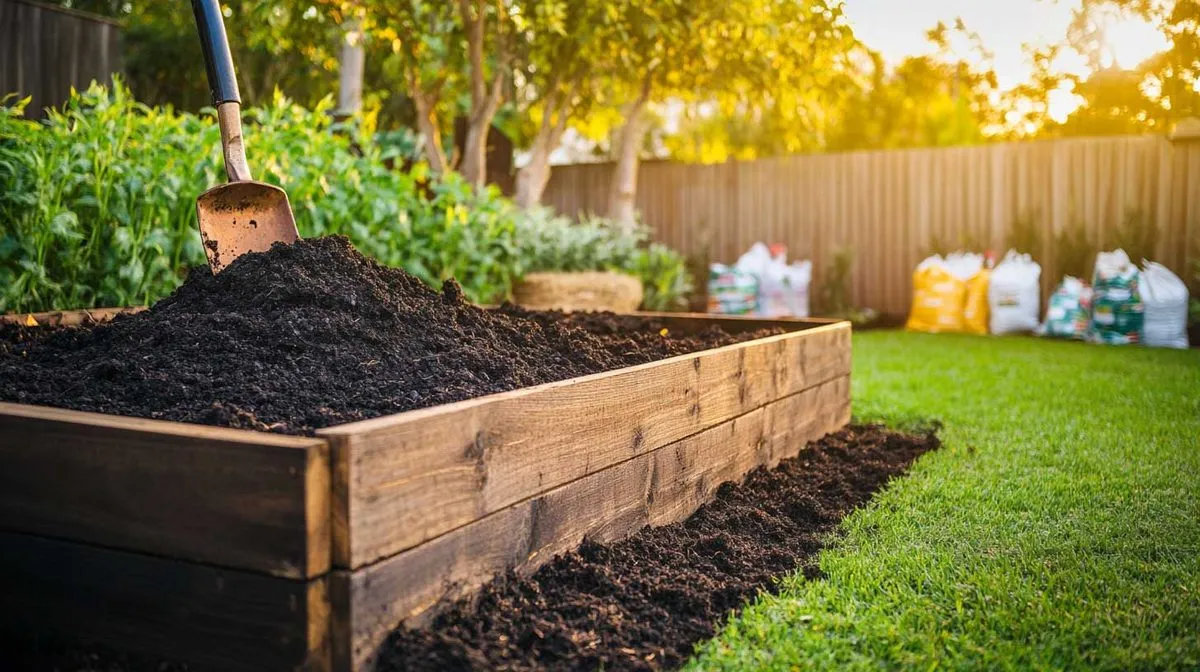
Raised beds are the best choice for most beginners. You fill them with quality soil from the start, so you skip the years of improving poor ground. Drainage is excellent, soil warms up faster in spring, and the height reduces bending. Build or buy beds 30 to 40 cm tall and no wider than 1.2 metres (so you can reach the centre from both sides without stepping on the soil).
In-ground beds
Planting directly in the ground works well if your existing soil is reasonable. Sandy loam and clay loam soils can be improved with compost and mulch. Heavy clay or pure sand need more work. The advantages of in-ground growing are lower setup cost, more root depth for large plants, and better water retention in summer.
No-dig garden beds
No-dig is a layering method where you build a garden bed on top of existing ground using layers of cardboard, straw, compost, and manure. The layers break down over time, creating rich soil without any digging. It is the fastest way to create a new bed over grass or weeds.
Step 3: Prepare Your Soil
Good soil is the foundation of a productive garden. Vegetables are hungry plants that need nutrient-rich, well-drained soil.
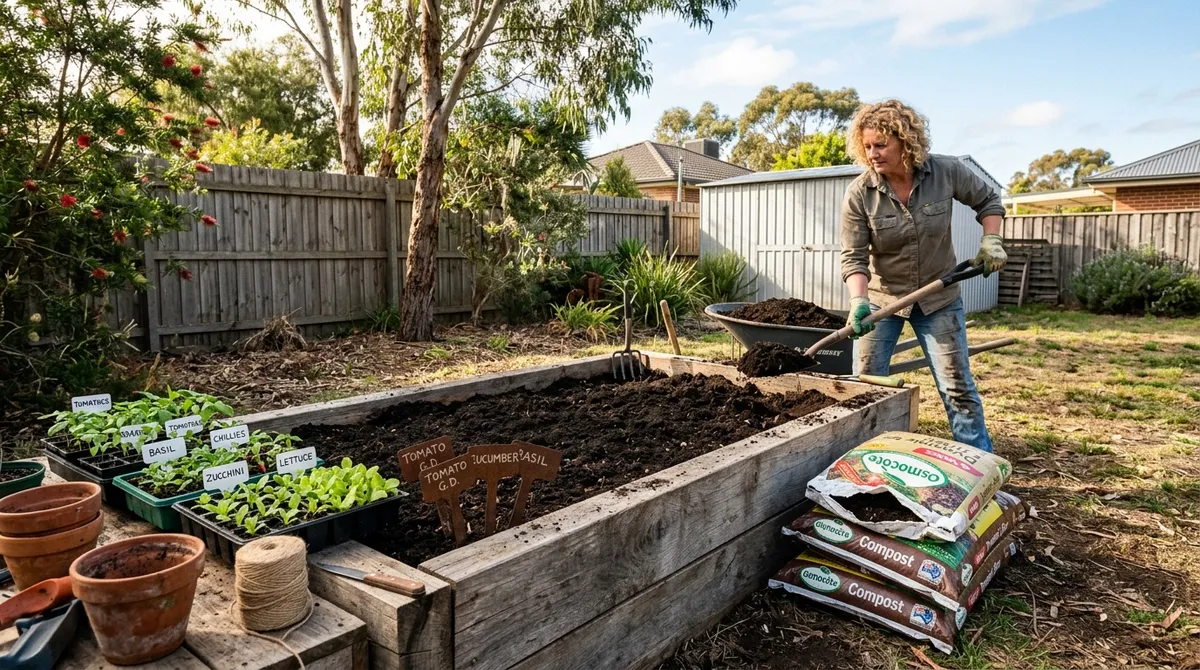
For raised beds, fill with a mix of:
- 60% quality garden soil or loam
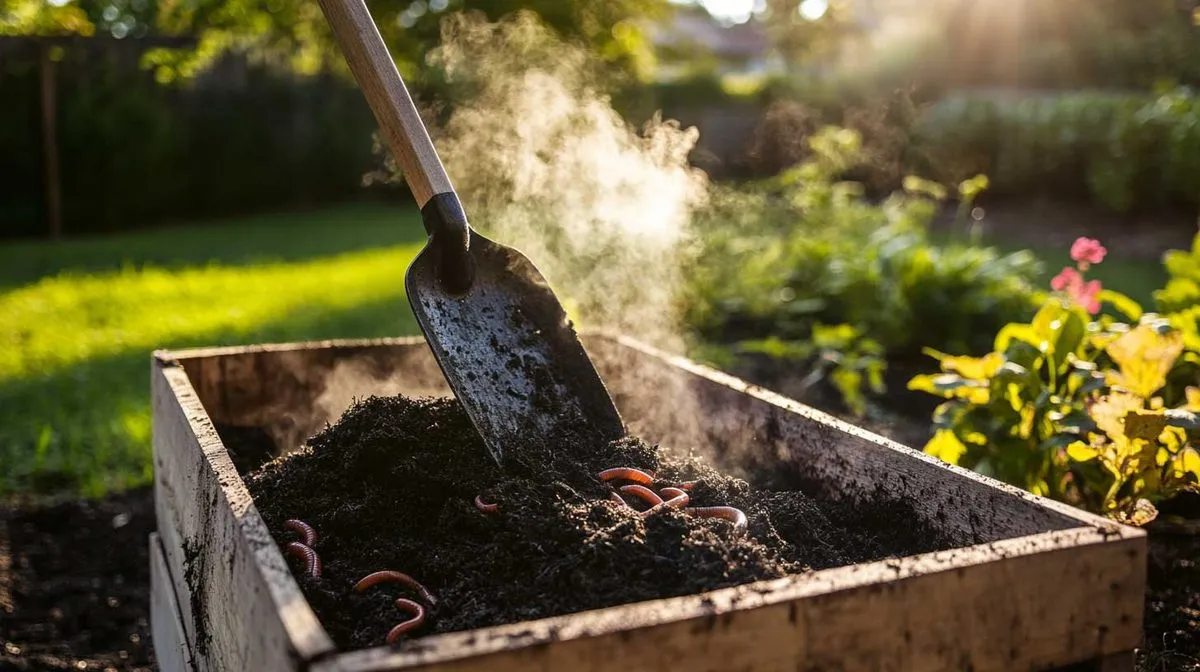
- 30% compost (homemade or bought in bulk)
- 10% aged manure (cow, sheep, or chicken)
For existing in-ground beds, dig in 5 to 10 cm of compost and aged manure across the entire bed. Do this 2 to 4 weeks before planting to let the amendments integrate.
Test your soil pH with an inexpensive kit from the hardware store. Most vegetables prefer a pH of 6.0 to 7.0. Add garden lime to raise pH (for acidic soil) or sulphur to lower it (for alkaline soil).
Step 4: Get the Right Tools
You do not need much to start. These basic tools will cover everything a beginner needs:
- Garden fork: For turning and loosening soil.
- Spade: For digging and edging beds.
- Hand trowel: For planting seedlings and close work.
- Hose with adjustable nozzle (or watering can): For watering.
- Secateurs: For harvesting and pruning.
- Bucket or wheelbarrow: For moving soil, compost, and mulch.
- Garden gloves: Buy a pair that fits well. Ill-fitting gloves are worse than none.
Buy quality tools that feel comfortable in your hands. Cheap tools bend, break, and make the work harder. Good tools last decades.
Step 5: Plan What to Plant
The biggest beginner mistake is planting too many different things at once. Start with 4 to 6 crops that are known to be easy and productive in your area.
Easy first crops for beginners
- Lettuce: Ready in 6 to 8 weeks. Pick leaves as needed. Grows year-round in most of Australia.
- Radish: Fastest vegetable to harvest (4 to 6 weeks). Direct sow and thin.
- Herbs (basil, parsley, mint): Plant seedlings for instant results. Use daily in cooking.
- Silverbeet: Extremely tough and productive. Handles heat and cold. One planting provides months of greens.
- Beans: Direct sow into warm soil. Fast-growing, heavy-producing, and they fix nitrogen in the soil.
- Cherry tomatoes: The most rewarding summer crop. Buy a seedling and stake it well.
Step 6: Know Your Region and Timing
Australia spans tropical, subtropical, temperate, and cool climates. What grows well in Darwin is different to what works in Melbourne or Hobart. Planting at the right time for your region is one of the most important things a beginner can learn.
The Planting Season app covers 10 Australian climate regions and tells you exactly what to plant each month. Set your region and follow the calendar. It takes the guesswork out of timing.
General rules for timing:
- Warm-season crops (tomatoes, beans, corn, capsicum, cucumbers) are planted in spring and summer.
- Cool-season crops (peas, broccoli, cabbage, spinach, lettuce) are planted in autumn and winter.
- Year-round crops (silverbeet, herbs, spring onions, radish) can be planted in most months across most regions.
Step 7: Plant Your Garden
Seedlings vs seeds
Beginners should start with a mix of both. Buy seedlings for crops that take a long time to mature (tomatoes, capsicum, eggplant, broccoli). Sow seeds directly for fast-growing crops (beans, lettuce, radish, carrots, herbs).
Planting seedlings
- Water the seedling punnet thoroughly before planting.
- Dig a hole slightly larger than the root ball.
- Gently remove the seedling from the punnet, disturbing the roots as little as possible.
- Place the seedling in the hole at the same depth it was growing in the punnet.
- Firm the soil around the stem and water in well.
- Plant in the late afternoon to reduce transplant shock.
Sowing seeds
- Follow the depth guide on the seed packet. The general rule is 2 to 3 times the seed diameter.
- Space seeds according to packet instructions. Thin seedlings later if they come up too thick.
- Water gently with a fine spray so seeds are not washed away.
- Keep the soil moist (not waterlogged) until seeds germinate.
Step 8: Mulch Everything
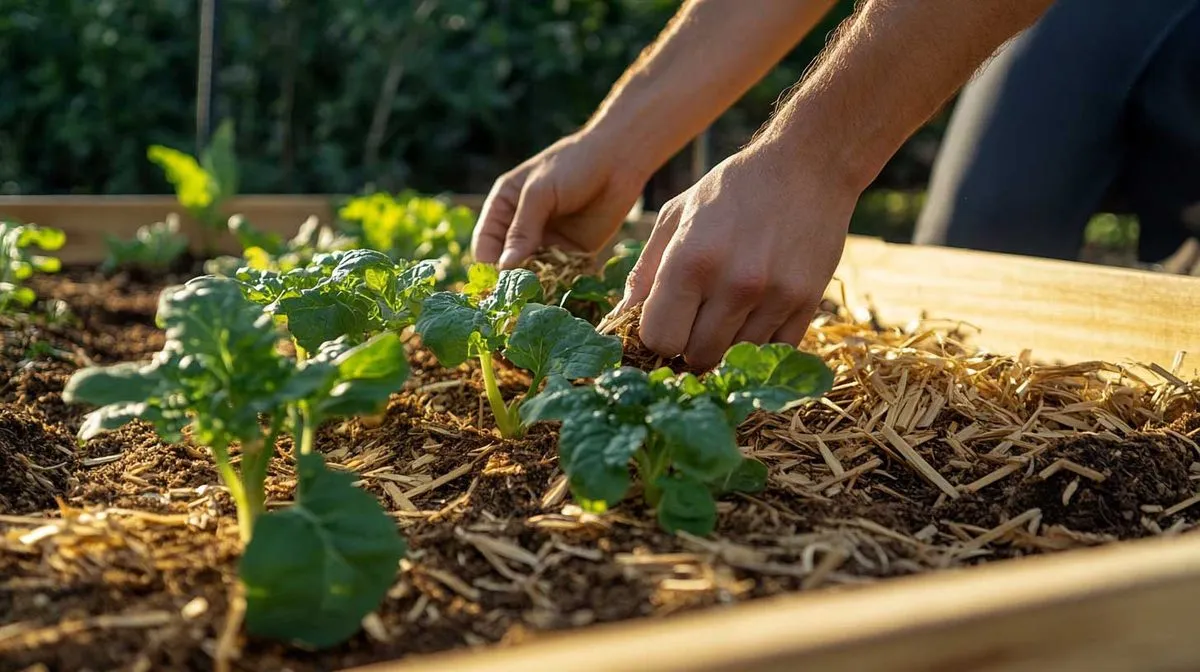
Mulching is one of the most beneficial things you can do in an Australian garden. A 5 to 10 cm layer of organic mulch across your beds:
- Reduces water evaporation by up to 70%
- Keeps soil temperature stable (cooler in summer, warmer in winter)
- Suppresses weeds
- Breaks down slowly, adding organic matter to the soil
Use sugar cane mulch, pea straw, or lucerne hay. Keep mulch a few centimetres away from plant stems to prevent collar rot. Top up mulch as it breaks down throughout the season.
Step 9: Water Properly
Watering is where most beginners go wrong. The two most common mistakes are watering too often and too lightly, or watering at the wrong time.
How to water
- Water deeply, less often. Two or three deep waterings per week are better than a light sprinkle every day. Deep watering encourages roots to grow down where moisture is more consistent.
- Water in the morning. Morning watering gives plants time to dry before evening, which reduces fungal disease. Avoid watering in the heat of the afternoon when much of the water evaporates.
- Water the soil, not the leaves. Drip irrigation or a hose at soil level delivers water where plants need it. Overhead sprinklers waste water and promote leaf diseases.
- Check before you water. Push your finger into the soil. If it is moist 3 to 5 cm below the surface, you do not need to water yet.
New seedlings
Newly planted seedlings need watering every day for the first week or two until their roots establish. After that, transition to the deep, less frequent schedule.
Step 10: Feed Your Plants
Vegetables are heavy feeders. The compost and manure you mixed into the soil at the start will sustain plants for the first 4 to 6 weeks. After that, regular feeding keeps growth strong and harvests heavy.
- Liquid feed every 2 weeks with seaweed solution, fish emulsion, or compost tea. Dilute according to the label.
- Side-dress with compost every 6 to 8 weeks. Spread a handful of compost around the base of each plant and scratch it into the soil surface.
- Feed fruiting crops with potash when they start flowering. Tomatoes, capsicum, and beans produce more fruit with extra potassium.
Common Beginner Mistakes
Every new gardener makes some of these. Knowing them in advance saves time and frustration.
- Starting too big. A massive garden is overwhelming. Start with one or two beds and expand as your confidence grows.
- Planting at the wrong time. A tomato planted in winter will rot. Peas planted in summer will wilt. Learn your region's planting calendar.
- Neglecting soil. Plants grow in soil, not in dirt. Invest your time and money in building good soil before you buy a single plant.
- Overwatering. More plants die from overwatering than underwatering. Let the soil dry slightly between waterings and always check before reaching for the hose.
- Skipping mulch. Bare soil in Australian sun bakes hard, cracks, and loses moisture rapidly. Mulch is not optional here.
- Ignoring pests until it is too late. Check your plants every few days. Catching a caterpillar problem early is easy. Dealing with a plague is not.
- Giving up after one failure. Every gardener kills plants. It is part of learning. The only failure is stopping.
Frequently Asked Questions
What is the easiest vegetable to grow for beginners?
Lettuce, radish, herbs, and silverbeet are the easiest vegetables for beginners. They germinate quickly, grow fast, tolerate minor mistakes, and produce a harvest within weeks. Beans and cherry tomatoes are also excellent beginner crops.
When should I start a vegetable garden in Australia?
You can start a vegetable garden any time of year in most parts of Australia. Autumn (March to May) is often the best time for beginners because the weather is mild, pest pressure is lower, and many easy crops like lettuce, peas, and brassicas thrive in cooler conditions.
How much sun does a vegetable garden need?
Most vegetables need 6 to 8 hours of direct sunlight per day. Fruiting crops like tomatoes, capsicum, and beans need the most sun. Leafy greens like lettuce, spinach, and herbs can grow with 4 to 5 hours. Choose the sunniest spot in your yard for the best results.
Should I use raised beds or plant in the ground?
Raised beds are better for beginners. You control the soil quality from the start, drainage is excellent, and you do not need to dig out existing grass or weeds. They also reduce bending and are easier to maintain. In-ground beds work well if your soil is naturally good and well-drained.
How often should I water a new vegetable garden?
Water deeply 2 to 3 times per week rather than lightly every day. Deep watering encourages roots to grow down into the soil where moisture is more consistent. New seedlings need daily watering until established. Mulch the soil surface to reduce evaporation.
Plant profiles
Each profile has sowing times for your region, companion plants and common pests.