How to Grow Tangelo in Australia
Updated September 2026

A juicy mandarin cross that crops best with a partner nearby
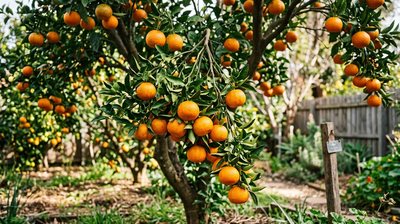
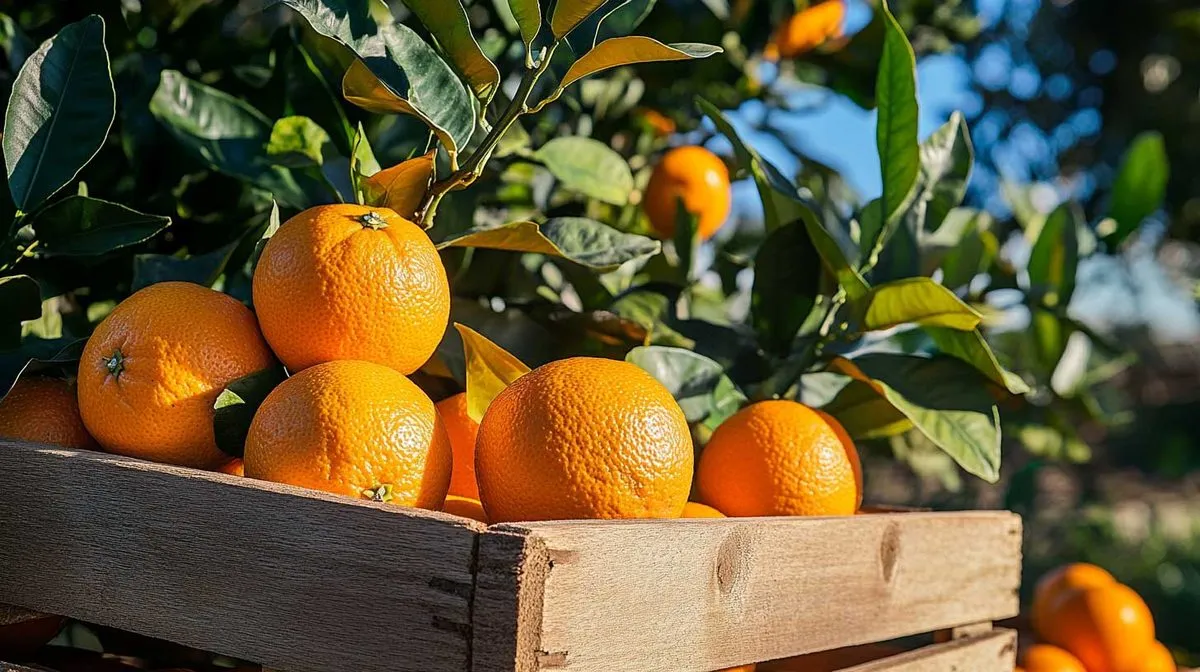
A tangelo is a cross between a mandarin and a grapefruit or pomelo. The fruit is juicy, rich and sweet with a little tang, and easier to peel than an orange. Minneola, the bell shaped one with a knob at the stem end, is the tangelo most people know.
It is grown just like an orange and suits every one of the site's ten regions, though the fruit is sharper where summers are cool and paler where nights never cool down. The one thing to plan for is pollination, which is covered below.
When to Plant in Your Region
Plant tangelos as grafted trees when the weather is mild. Plant from March to September in South East Queensland, Northern Rivers NSW, Sydney & Coastal NSW and Perth & WA. Plant from September to November in Melbourne & Victoria. Plant from March to April or September to October in Adelaide & SA. Plant from October to November in Tasmania. Plant in November in Canberra & ACT. Plant from May to September in North Queensland. Plant from May to August in Darwin & Top End. Choose your region below for the local calendar and any regional note.
Climate and Where It Grows in Australia
Tangelos grow across the country, but fruit quality follows the weather: sweetness comes from summer heat and colour from cool nights as the fruit ripens.
In South East Queensland, the Northern Rivers, Sydney and Perth, plant from autumn through to early spring. Adelaide has an autumn and a spring window, and Minneola suits its hot, dry summers. In Melbourne, plant in spring after frost in a warm, sheltered spot. Tasmania and Canberra are marginal: plant in spring against a north facing wall and protect young trees with frost cloth, and expect sharper fruit after a cool summer. In North Queensland and the Top End, plant in the dry season; the fruit is juicy but colours poorly without cool nights.
- South East Queensland: plant from March to September.
- Northern Rivers NSW: plant from March to September.
- Sydney & Coastal NSW: plant from March to September.
- Melbourne & Victoria: plant from September to November. Plant Sep to Nov after frost in a warm sheltered spot. Fruit sweetens best after a hot summer.
- Adelaide & SA: plant from March to April or September to October. Plant Mar to Apr or Sep to Oct. Minneola suits the hot dry summers; water deeply while the fruit sizes.
- Perth & WA: plant from March to September.
- Tasmania: plant from October to November. Marginal. Plant Oct to Nov against a warm north facing wall. Fruit stays sharp after cool summers.
- Canberra & ACT: plant in November. Marginal. Plant in November after the last frost against a north facing wall and protect young trees with frost cloth.
- North Queensland: plant from May to September. Plant May to Sep in the dry with regular watering. Fruit is juicy but colours poorly without cool nights.
- Darwin & Top End: plant from May to August. Plant May to Aug in the dry with regular watering. Juicy fruit, but it colours poorly without cool nights.
Choosing a Variety
Minneola
The best known tangelo, with deep orange, bell shaped fruit and rich, tangy juice. It crops poorly on its own and sets far better with another variety flowering nearby.
Seminole
A later tangelo with flatter, deep orange fruit that is very juicy and quite tart until fully ripe.
A pollination partner
A mandarin or a second tangelo planted nearby. If you only have room for one tree, ask the nursery whether the tangelo on offer sets fruit on its own.
Planting
Give tangelos full sun, shelter from strong wind, and free-draining soil with a pH of about 6 to 7.5. On clay, plant on a mound.
- Space. Allow about 4 m between trees. A tangelo grows to 3 to 5 m.
- Partner. Plant the pollinator within the same garden, close enough that bees move between them.
- Planting. Plant at the depth it sat in the pot, graft union above the soil, water in and mulch clear of the trunk.
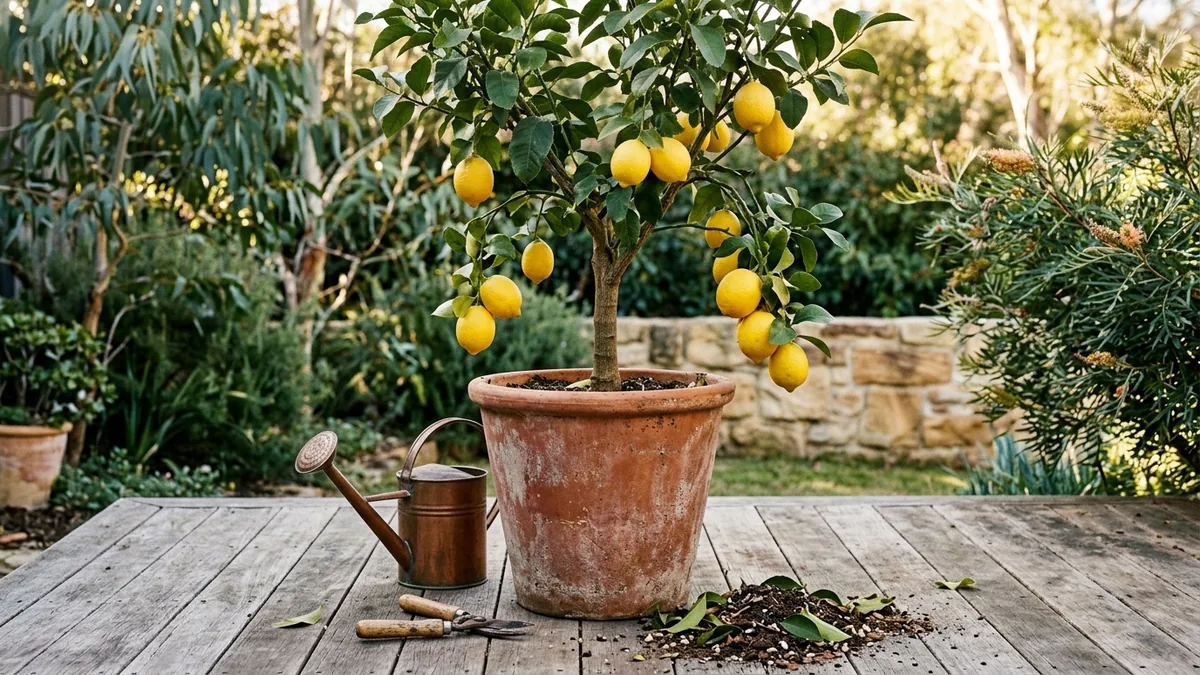
- Pots. Dwarf tangelos grow in a pot at least 50 cm wide.
Care
Watering
Water deeply and regularly while flowers set and fruit sizes, and more in hot, dry spells. Tangelos are prone to splitting when a dry period is followed by heavy rain or a big watering, so steady moisture matters.
Feeding
Citrus are hungry trees and underfeeding is the most common reason a backyard tree crops poorly. Feed with a complete citrus fertiliser in late winter, before the spring flowering, and again in late summer, spreading it under the canopy out to the drip line rather than against the trunk, then water it in. Pale leaves with green veins usually point to a shortage of trace elements, which a citrus food that includes them will fix. Top up the mulch each spring, keeping it clear of the trunk.
Pruning
Prune lightly after harvest. Remove shoots below the graft, dead wood and crowded inner branches so light reaches the fruit.
Pollination
Minneola is largely self-incompatible. On its own it flowers well and sets a light crop; with a mandarin or another tangelo flowering nearby, crops are much heavier. Bees carry the pollen, so avoid spraying while the trees are in flower.
Pests and Diseases
Citrus in Australian gardens share a short list of pests. None of them needs heavy spraying if you catch it early.
- Citrus gall wasp. Swollen, lumpy growths on young stems, each one full of larvae. Cut the galls out in winter, before the adult wasps emerge in spring, and bag them for the bin rather than the compost.
- Citrus leaf miner. Silvery trails and curled new leaves, worst on the late summer and autumn flush. It is mostly cosmetic on an established tree but sets young trees back. Horticultural oil on the new growth protects it, and avoiding pruning in late summer and autumn means less soft growth when the moth is most active.
- Scale. Small brown or white bumps on stems and under leaves, often with black sooty mould and a trail of ants. Horticultural oil smothers scale, and keeping ants off the trunk lets the natural predators do their work.
- Bronze orange bug. Large shield bugs that suck on new shoots and flower stalks, so flowers and young fruit drop. Knock the young nymphs into a bucket of soapy water in winter while they are small. Wear gloves and eye protection, because they squirt a fluid that burns skin and eyes.
Melanose shows as small, raised brown specks on leaves and fruit that feel like fine sandpaper. The fungus lives on dead twigs inside the canopy, so cutting out dead wood is most of the cure.
The plant library also lists citrus canker, because it is one of the most serious citrus diseases in the world. It is not established in Australia and it is a notifiable disease. If you see raised, corky spots with a yellow or oily halo on leaves, stems and fruit, report it to the Exotic Plant Pest Hotline on 1800 084 881 rather than treating it yourself.
Harvest and Storage
Tangelos ripen in late winter and spring in most districts. Fruit holds on the tree for some weeks once ripe, so you can pick over a long season. Colour is a guide, but taste is the real test: pick one fully coloured fruit and try it.
Clip the fruit with a short stalk. Picked tangelos keep in the fridge for two to three weeks.
Track Your Tangelo Tree
Add tangelos to your garden in the Planting Season app and get reminders for planting, care and harvest, tuned to your region.
Open the App →Frequently Asked Questions
When should I plant tangelos in Australia?
It depends on your region. Plant from March to September in South East Queensland, Northern Rivers NSW, Sydney & Coastal NSW and Perth & WA. Plant from September to November in Melbourne & Victoria. Plant from March to April or September to October in Adelaide & SA. Plant from October to November in Tasmania. Plant in November in Canberra & ACT. Plant from May to September in North Queensland. Plant from May to August in Darwin & Top End. Choose your region in the calendar on this page for the local window.
What is a tangelo?
A tangelo is a citrus cross between a mandarin and a grapefruit or pomelo. It has juicy, sweet and slightly tangy fruit, and is grown the same way as an orange.
Why is my Minneola tangelo not fruiting?
The most common reason is pollination. Minneola sets few fruit on its own and crops much better with a mandarin or another tangelo flowering nearby. Underfeeding and a young tree are the other usual causes.
Can I grow a tangelo in a pot?
Yes, a dwarf tangelo grows well in a pot at least 50 cm wide with a premium potting mix. Feed it regularly with a citrus fertiliser and keep it watered through summer.
See also: Tangelo in the Plant Library