Growing Sunflowers in Pots
Updated June 2026
Pick the right dwarf variety, get the pot size right, and enjoy golden blooms on your balcony or patio
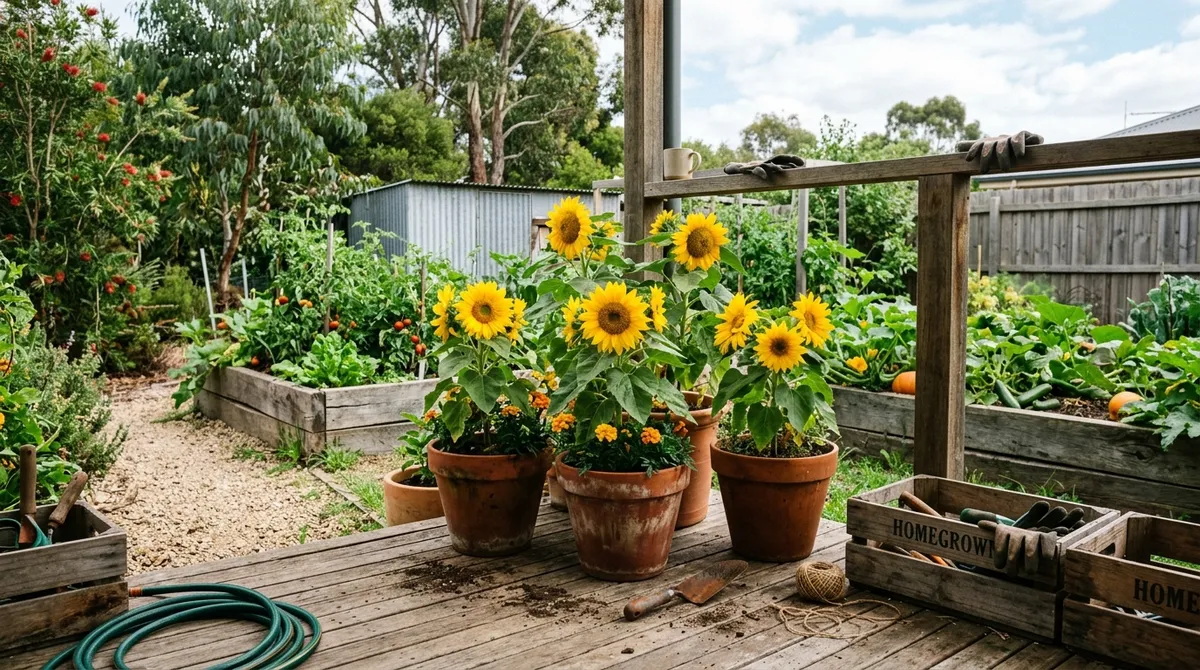
Sunflowers are one of the easiest flowers to grow, and you do not need a big backyard to do it. A sunny balcony, a patio, or a front doorstep will work. The key is choosing dwarf sunflower varieties bred for containers. Full-size sunflowers can reach 2 to 3 metres tall with deep root systems that need open ground. Dwarf varieties stay compact at 30 to 90 cm and produce flowers just as cheerful.
Sunflower plants in pots also make a brilliant project for kids. Seeds are large enough for small hands to handle, germination takes less than a week, and growth is fast enough to hold a child's attention. From seed to flower in 8 to 10 weeks is common with dwarf types.
🌱 Plant profile: Sunflower, with sowing times for your region, companion plants and common pests.
Best Dwarf Sunflower Varieties for Pots
These five varieties are reliable performers in Australian conditions and well suited to container growing.
Teddy Bear
The most popular dwarf sunflower in Australia. Grows 40 to 60 cm tall with fully double, fluffy golden blooms that look like pom-poms. Each plant produces multiple flowers. Great for kids and perfect in a 25 to 30 cm pot. Matures in 8 to 10 weeks.
Little Leo
Compact at 30 to 50 cm with semi-double golden flowers. Produces multiple blooms per plant over several weeks, making it one of the longest-flowering dwarf sunflowers. Sturdy stems rarely need staking. Suits a 25 cm pot.
Pacino
A true miniature at 30 to 40 cm tall. Classic single sunflower face with a dark centre and bright yellow petals. Bred for pots and borders. Looks stunning grouped in a row of matching containers. Handles heat well, making it a solid pick for subtropical gardens.
Sunspot
The big-headed dwarf. Produces full-size flower heads (up to 25 cm across) on short 50 to 60 cm stems. The contrast between the huge flower and the compact plant is striking. Needs a larger pot (35 to 40 cm) and may need staking in windy spots.
Music Box
A mix of colours including yellow, cream, bronze, red, and bicolour. Grows 50 to 70 cm tall with branching stems that produce multiple smaller flowers. Plant a few in a large pot or trough for a mixed display. Excellent as a cut flower.
Pot Size and Soil Mix
Sunflowers have strong taproots, even dwarf types. A pot that is too small will stunt growth and reduce flower size.
- Minimum pot size: 25 cm wide and 25 cm deep for compact varieties like Pacino and Teddy Bear. Use 35 to 40 cm pots for Sunspot and Music Box.
- Material: Terracotta, ceramic, or plastic all work. Terracotta looks great but dries out faster and will need more frequent watering in summer.
- Drainage: Essential. Sunflowers will rot in waterlogged soil. Make sure every pot has drainage holes.
Fill pots with a quality premium potting mix (look for the Australian Standards red tick on the bag). Avoid cheap mixes that compact over time. Mix in a handful of perlite if your potting mix feels heavy. Sunflowers are not fussy about soil pH but they do want good drainage and decent fertility.
When to Plant Sunflowers in Australia
Sunflowers are warm-season plants. They need soil temperatures of at least 16 degrees Celsius to germinate and grow best in warm conditions.
By Region
- Tropical (Darwin, Cairns, Townsville): Sow April to July during the dry season. Summer is too wet and humid.
- Subtropical (Brisbane, Gold Coast, Northern NSW): Sow September to January. The long warm season gives plenty of flexibility.
- Temperate (Sydney, Melbourne, Adelaide, Perth): Sow October to December after the last frost risk has passed.
- Cool/Alpine (Hobart, Canberra, highlands): Sow November to December. The window is shorter, so use fast-maturing dwarf varieties.
Sowing Seeds Directly
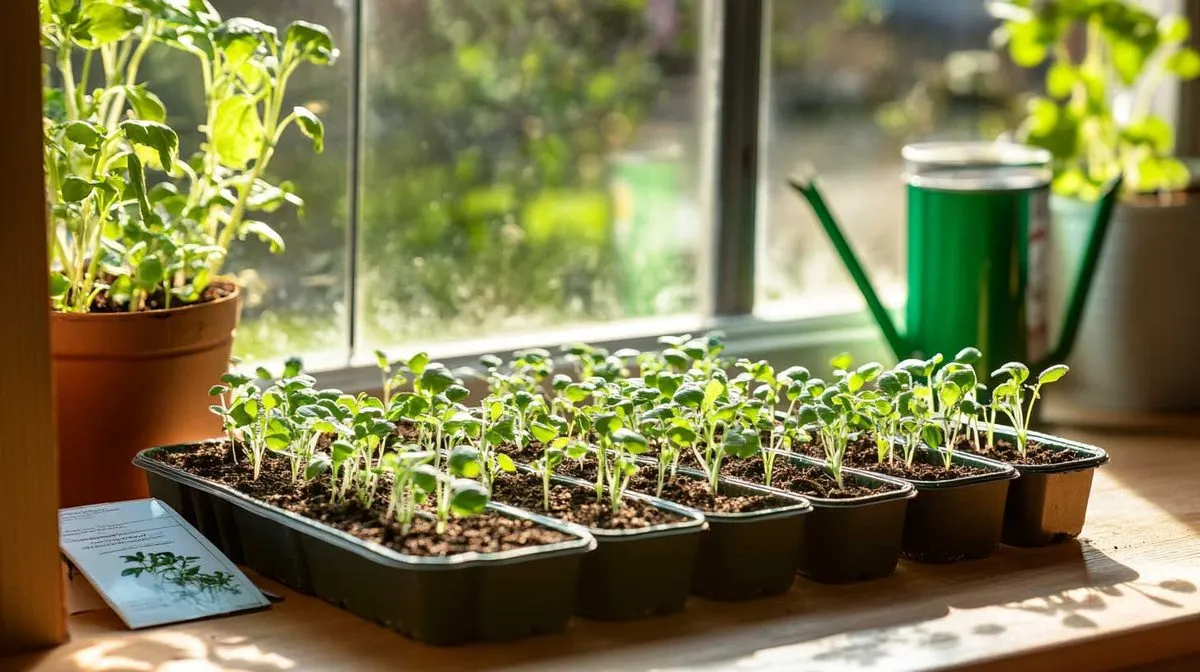
Sunflowers hate being transplanted. Their taproot is sensitive to disturbance, and transplanted seedlings often stall or grow poorly compared to direct-sown plants. Always sow seeds straight into the pot they will grow in.
- Fill the pot with potting mix to about 2 cm below the rim. Water it thoroughly and let it drain.
- Push seeds 2 cm deep into the mix. Place two seeds per position in case one fails to germinate.
- Cover and water gently. Use a fine spray so you don't wash the seeds out.
- Keep the soil moist but not soggy. Germination usually takes 5 to 10 days.
- Thin to one seedling per position once they have their first set of true leaves. Snip the weaker one at soil level rather than pulling it out, which can disturb the remaining seedling's roots.
Sun and Water Requirements
The clue is in the name. Sunflowers need full sun. Place pots where they will receive at least 6 to 8 hours of direct sunlight daily. Without enough sun, plants grow tall and spindly with small flowers or no flowers at all.
Water regularly, especially once plants are actively growing. Pots dry out faster than garden beds, and sunflowers in full sun during an Australian summer can drink a lot of water. Check the soil daily by pushing your finger 2 cm into the mix. If it feels dry, water deeply until it runs from the drainage holes.
Morning watering is best. Avoid wetting the leaves in the evening, which can encourage fungal problems. In peak summer, you may need to water twice a day for pots in exposed positions.
Feeding
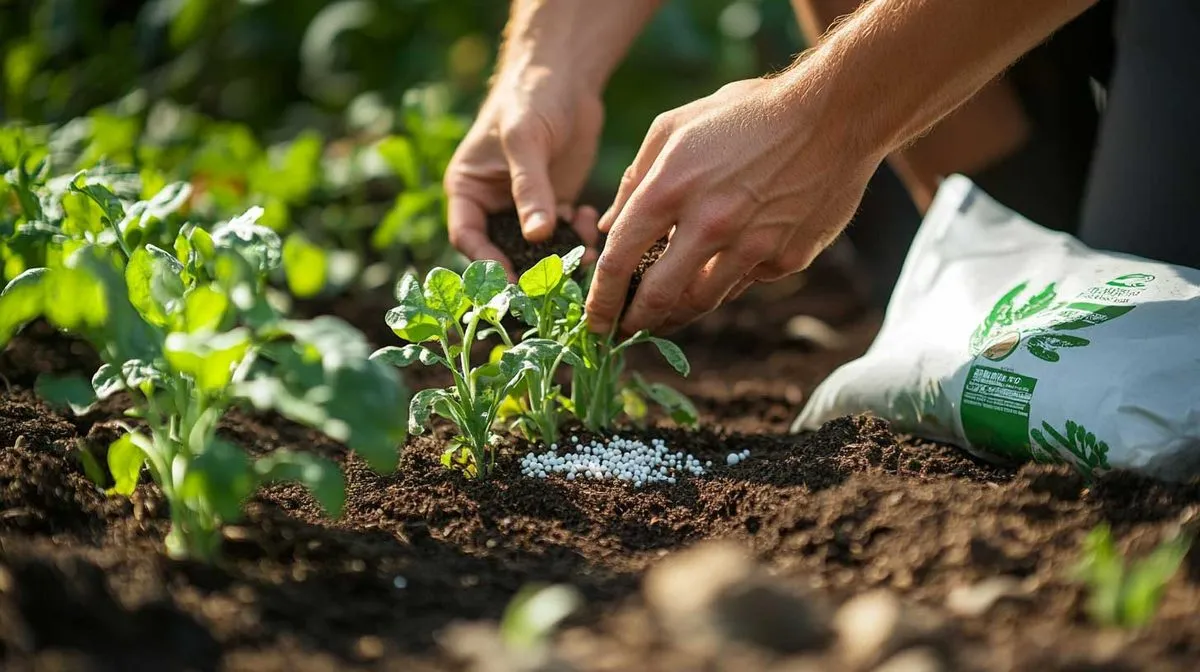
Sunflowers are hungry plants. The potting mix will have enough nutrients for the first few weeks, but container plants need ongoing feeding because nutrients wash out with regular watering.
- Weeks 1 to 3: No feeding needed. Let the seedlings establish.
- Weeks 3 to 6: Apply a liquid seaweed solution every two weeks to build strong roots and stems.
- Week 6 onward (budding and flowering): Switch to a potassium-rich liquid fertiliser (look for one marketed for flowers or tomatoes) every two weeks. Potassium promotes bigger, brighter blooms.
Avoid high-nitrogen fertilisers during the flowering stage. Too much nitrogen produces lots of leaves and weak, delayed flowers.
Staking
Most dwarf sunflowers are bred to have sturdy stems and will not need staking. Sunspot is the exception because its flower head is heavy relative to its stem height. If you live in a windy area or your balcony is exposed, push a bamboo stake into the pot early (before roots fill the container) and loosely tie the stem with soft twine as it grows.
Turning pots regularly (a quarter turn every few days) prevents plants from leaning toward the strongest light source. This is especially important on balconies where light comes from one direction.
Saving Seeds
Single-flowered varieties like Pacino and Sunspot produce seeds you can save for the next season. Double varieties like Teddy Bear often have reduced seed production.
- Leave the flower head on the plant after the petals drop. The back of the head will turn from green to brown.
- Once the back is fully brown and the seeds look plump, cut the head off with 15 cm of stem attached.
- Hang upside down in a dry, airy spot for a week or two. Cover loosely with a paper bag to catch falling seeds and deter birds.
- Rub the seeds out of the head with your thumb. Store in a paper envelope in a cool, dry place. Sunflower seeds stay viable for 2 to 3 years.
Common Problems
Leggy, thin stems
This is almost always a light problem. Move the pot to a sunnier position. Plants that have already gone leggy will not recover their shape, but future growth will be sturdier with more light.
No flowers
Too much shade, too much nitrogen fertiliser, or planting too late in the season. Dwarf sunflowers need at least 8 weeks of warm weather to bloom.
Aphids
Aphids love sunflower stems and buds. Blast them off with a strong jet of water. Ladybirds are excellent natural predators. For heavy infestations, spray with soapy water (a few drops of dishwashing liquid in a spray bottle).
Snails and slugs
Seedlings are vulnerable. Use copper tape around the rim of the pot or scatter iron-based snail pellets on the soil surface. Check plants in the early morning when snails are active.
Powdery mildew
A white powdery coating on leaves, common in humid weather with poor airflow. Space pots apart, water at the base rather than overhead, and remove affected leaves. Rarely kills the plant but looks unsightly.
Growing Sunflowers with Kids
Sunflowers are one of the best plants for getting children interested in gardening. The seeds are large and easy to handle. Germination is fast and visible. Growth is dramatic enough to measure with a ruler each week.
Give each child their own pot and let them decorate it before planting. Start a height chart. Let them water their own plant. The whole process from planting to flower takes 8 to 10 weeks with dwarf varieties, which is about the right attention span for most primary school-aged kids.
Harvesting seeds at the end of the season gives you something to plant again next year, or the kids can feed them to birds during winter.
Frequently Asked Questions
Can you grow sunflowers in pots?
Yes. Dwarf sunflower varieties like Teddy Bear, Little Leo, Pacino, and Sunspot grow well in pots. Use a container at least 25 cm wide and deep with good drainage, and place it in full sun (6 to 8 hours daily).
What is the best dwarf sunflower for pots?
Teddy Bear is the most popular dwarf sunflower for pots. It grows 40 to 60 cm tall with fluffy double blooms and handles containers well. Pacino is another strong choice at 30 to 40 cm tall with classic single flowers.
Do sunflowers grow back every year in pots?
Most sunflowers are annuals, meaning they complete their life cycle in one season and do not grow back. You need to sow fresh seeds each spring or summer. Save seeds from spent flower heads for the following season.
When should I plant sunflower seeds in pots in Australia?
In most of Australia, sow sunflower seeds from September to December. In tropical regions, sow from April to July during the dry season. Soil temperature needs to be at least 16 degrees Celsius for reliable germination.
Plant profile
The sunflower profile has sowing times for your region, companion plants and common pests.