
How to Control Slugs and Snails in the Garden
Updated June 2026
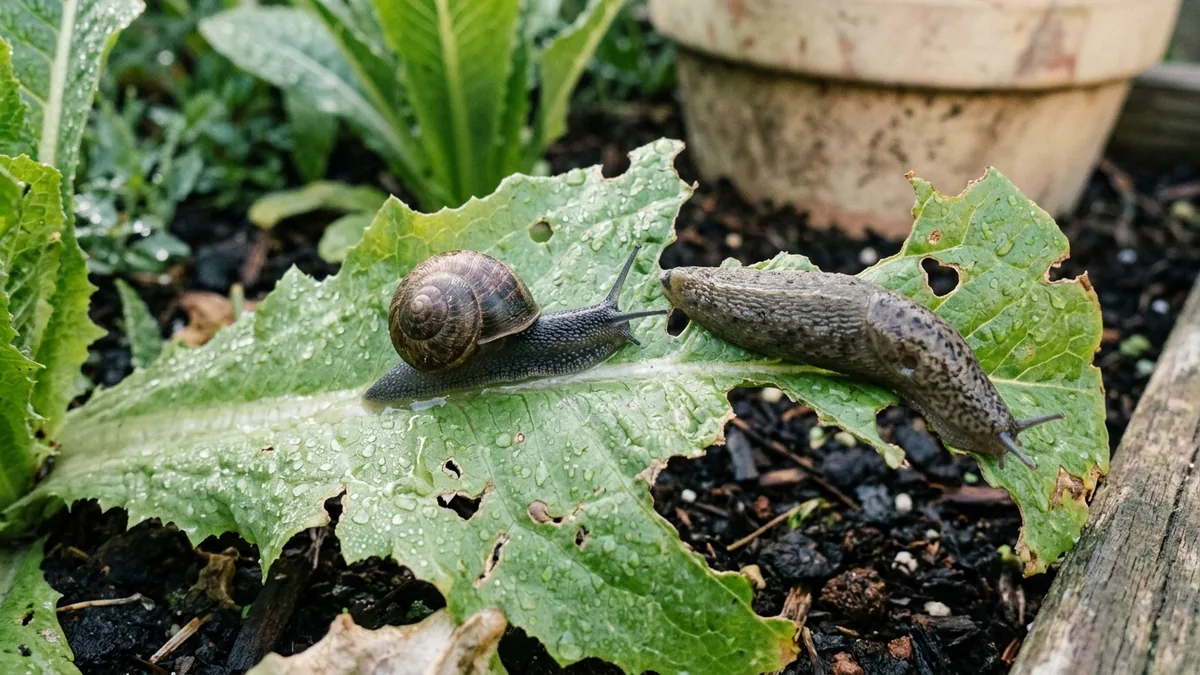
Identify the damage, understand the lifecycle, and beat them with an organic-first plan that is safe for pets and wildlife
Slugs and snails are the classic overnight saboteurs of the home garden. You sow a neat row of lettuce or beans, and a few mornings later it is gone, with nothing left but ragged stems and a faint silver trail. They thrive in exactly the conditions that grow good vegetables, namely cool, damp, well-mulched beds, which is why almost every grower meets them sooner or later. The good news is they are very controllable in a backyard once you understand how they live and stack a few simple methods together.
This guide explains how to recognise slug and snail damage, how their lifecycle works, and a clear organic-first control plan. Use the tool below to build your plan around where you are right now, whether you are trying to prevent them, beat them organically, or step things up because a sowing is already under attack.
Build your slug and snail control plan
Pick the approach that fits where you are. Every option here leads with the gentlest, most reliable tools first, namely habitat removal, hand-picking and traps, and keeps any baits to the pet-safe, wildlife-safe kind used the right way.
How to identify slug and snail damage
Slug and snail damage has a distinctive look once you know what to watch for.
- Ragged holes with smooth edges. They rasp irregular holes right through leaves, often starting at the edge, with smooth rather than torn margins. Soft new growth and seedlings are hit hardest.
- Silvery slime trails. The clearest sign is the dried, silvery mucus trail left across leaves, soil and paths, most visible first thing in the morning.
- Seedlings gone overnight. A whole row of just-emerged seedlings can disappear in a single night, leaving bare soil or chewed-off stubs.
The slime trail is what tells slug and snail damage apart from caterpillars. Caterpillars chew similar holes but leave no slime, and usually leave small dark droppings called frass on the leaves below. If you see holes with a silver trail and no frass, you are dealing with slugs and snails. The in-app Plant Doctor can help you confirm before you commit to a plan.
The lifecycle, and the conditions they love
Understanding how they live is what makes control work. Slugs and snails are most active at night and after rain, and in damp, cool weather. By day they hide in cool, moist spots, under boards, pots, mulch piles, weeds and garden debris, and emerge once the surface is damp again. They lay clusters of small, pearly eggs in the soil and under that same debris.
They breed prolifically through mild, damp seasons, and overwatered, mulch-heavy beds give them everything they need. Many generations can build up over a season, so populations climb fast if you leave them alone. The practical lesson is simple. Take away their daytime shelter and their damp evening conditions, knock numbers down before they breed, and protect the seedlings they target most.
The damage they do
Seedlings and leafy greens take the worst of it, and a fresh sowing can be destroyed in a single night before it ever gets going. Beyond seedlings, they also go after strawberries and other ripening fruit sitting near the ground, and soft vegetables generally. Because they feed after dark, the damage often appears to happen out of nowhere, which is why monitoring at night and protecting vulnerable plants early beats waiting for the holes to show.
The organic IPM ladder
Integrated pest management means starting with the gentlest, most reliable tools and only stepping up if you need to. For slugs and snails the ladder looks like this.
1. Hand-picking at night, the most effective single method
Go out an hour or two after dark with a torch, especially after rain or watering, and pick slugs and snails straight off the plants and soil. Lift mulch, pots and boards to find more. Drop them into a bucket of soapy water. A few nights of this in a row removes a large share of the population before it can breed, and it costs nothing.
2. Remove habitat and eggs
Clear away the boards, upturned pots, weeds and piles of debris that give them daytime shelter near your vulnerable plants. While you are at it, look under that debris for clusters of small pearly eggs and remove them too. Less shelter means fewer slugs and snails and fewer places to breed.
3. Beer traps
Sink a shallow container to soil level and half fill it with beer. The yeasty smell draws them in and they drown. Refresh the beer every few days, and place traps near the crops you are protecting. Traps work best over a small area and pair well with hand-picking.
4. Copper barriers
Copper tape or bands around pots, raised beds and seedling trays deter slugs and snails through a mild reaction with their slime. It is most useful for protecting containers and individual prized plants rather than a whole garden.
5. Rough barriers, honestly minor
Crushed eggshell, grit and wool pellets are often suggested as barriers, but the evidence for them is mixed at best. Treat them as minor extras around a few special plants, not as a main line of defence, and do not rely on them for a hungry population after rain.
6. Encourage predators
Birds, frogs, lizards and ground beetles all eat slugs and snails, and ducks and chickens are enthusiastic hunters of them. A garden with water, shelter and a no-spray ethos builds up these natural controls over time so the problem gets easier each year.
How to prevent slugs and snails
- Remove daytime shelter. Clear boards, upturned pots, weeds, debris and loose mulch piles near vulnerable plants.
- Water in the morning. A dry soil surface at night gives them far less to travel on, so shift watering away from the evening.
- Protect seedlings first. Seedlings are the most vulnerable stage, so barrier or watch them closely from sowing until they toughen up.
- Raise the vulnerable crops. Raised beds, tables and harder-to-reach containers cut down on easy access.
- Encourage predators. Welcome birds, frogs, lizards and ground beetles, and let ducks or chickens patrol where you can.
- Keep beds tidy. A clean, weeded bed simply offers fewer hiding and breeding spots.
Susceptible plants
Slugs and snails go for soft, tender growth above all. The most at-risk plants in home gardens include:
- Seedlings of all kinds, which are the number one target.
- Lettuce and salad greens.
- Brassica seedlings such as cabbage, broccoli and cauliflower.
- Basil and other soft herbs.
- Hostas and many leafy ornamentals.
- Strawberries and other low, ripening fruit.
- Bean and pea seedlings.
- Dahlias and many soft ornamentals.
See our guides to lettuce, strawberries and cabbage for crop-specific growing advice.
When it is serious
If a whole sowing is vanishing overnight, or holes and slime are spreading faster than hand-picking can keep up, treat it as an active outbreak. Clear all the daytime habitat you can, hand-pick hard for several nights, set beer traps along the worst rows, and scatter iron-phosphate bait thinly per the label, never in piles. Keep beds clear and barrier the most vulnerable crops until numbers drop. Choosing iron-phosphate over metaldehyde keeps your dogs, cats, birds and local wildlife safe while you bring the population back under control.
Catch slugs and snails before they catch your seedlings
The Planting Season app includes a Pest Calendar that flags the damp, high-risk stretches for your region, plus an in-app Plant Doctor to confirm what is chewing your crop before you act.
Open the App →Frequently Asked Questions
What does slug and snail damage look like?
You see irregular, ragged holes with smooth edges chewed in leaves, worst on soft new growth and seedlings, and silvery slime trails on leaves, soil and paths in the morning. Seedlings can vanish overnight. The slime trail is the giveaway that tells slug and snail damage apart from caterpillars, which leave no slime and usually leave dark droppings called frass.
What is the single most effective way to control slugs and snails?
Hand-picking at night with a torch is the most effective single method. Slugs and snails feed after dark and after rain, so go out an hour or two after sunset, lift mulch and pots, and drop what you find into soapy water. Do this a few nights running and you remove a large share of the population before they breed.
Do beer traps and copper tape really work?
Beer traps work well over a small area. Sink a shallow container to soil level, half fill it with beer, and refresh it every few days. The yeasty smell draws slugs and snails in and they drown. Copper tape or bands around pots and raised beds also help by giving a mild deterrent reaction with their slime. Rougher barriers like crushed eggshell and grit have mixed evidence, so treat them as minor extras rather than a main line of defence.
Are slug and snail baits safe for pets and wildlife?
Choose iron-phosphate (ferric phosphate) pellets, which are approved for organic growing and are far safer around dogs, cats, birds and wildlife than older metaldehyde baits. Metaldehyde is toxic to pets and wildlife and is restricted or banned in some places, so avoid it. With any bait, scatter it thinly per the label rather than in piles, and store it sealed and out of reach of pets and children.
What plants do slugs and snails attack most?
Seedlings of almost everything are the most at risk, along with lettuce and salad greens, brassica seedlings, basil, hostas, strawberries, bean and pea seedlings, and many soft ornamentals such as dahlias. A sowing of lettuce or beans can be wiped out in a single night, so protect seedlings first.
How do I stop slugs and snails coming back?
Remove their daytime hiding places near vulnerable plants, such as boards, upturned pots, weeds and piles of debris, water in the morning so the surface is dry by night, and encourage natural predators like birds, frogs, lizards and ground beetles. Keep beds clear, protect seedlings, and raise the most vulnerable crops where you can. Steady habitat control beats any single spray.
Can I use nematodes against slugs?
In some markets a nematode biocontrol (Phasmarhabditis) is sold as a watered-on treatment, mainly for slugs rather than snails. It is harmless to pets, wildlife and worms and can help in damp beds, but availability and cost vary. Most home gardeners get further by combining hand-picking, traps, habitat removal and iron-phosphate bait.
When should I act on slugs and snails?
Act before and during the cool, damp parts of the season when they are most active, and especially right after rain or watering. Protect seedlings from the moment you sow or transplant, because that is when one bad night does the most damage. Steady, early effort across the wet months keeps numbers down.
See also: Pest and Disease Guide and How to Grow Lettuce