Growing Peas in Australia: How to Grow Garden Peas From Seed
Updated October 2026
Shelling peas, snow peas, and sugar snaps with planting calendars for every region
Peas are the best winter crop for beginners. They're quick, productive, and almost impossible to mess up. Every pea plant also fixes nitrogen in the soil, leaving it in better shape for whatever you grow next.
Kids love picking and eating peas straight off the vine. There's no better way to get them interested in the garden. This guide covers the best varieties, planting times for your region, trellising, and how to keep the harvest going.
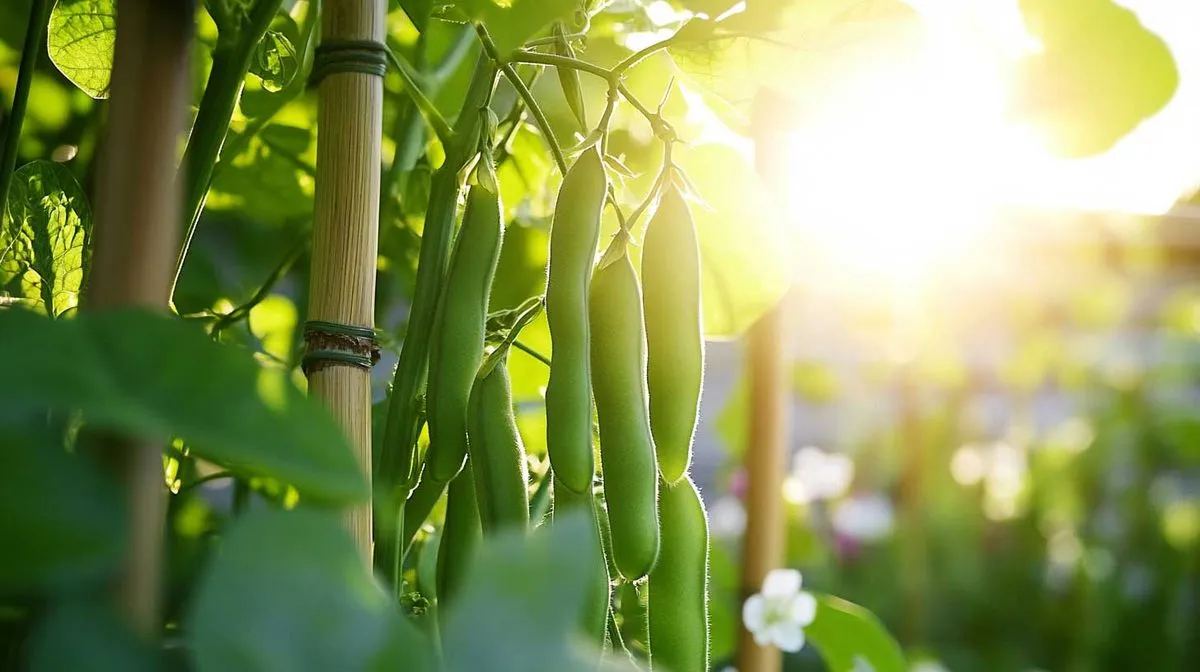
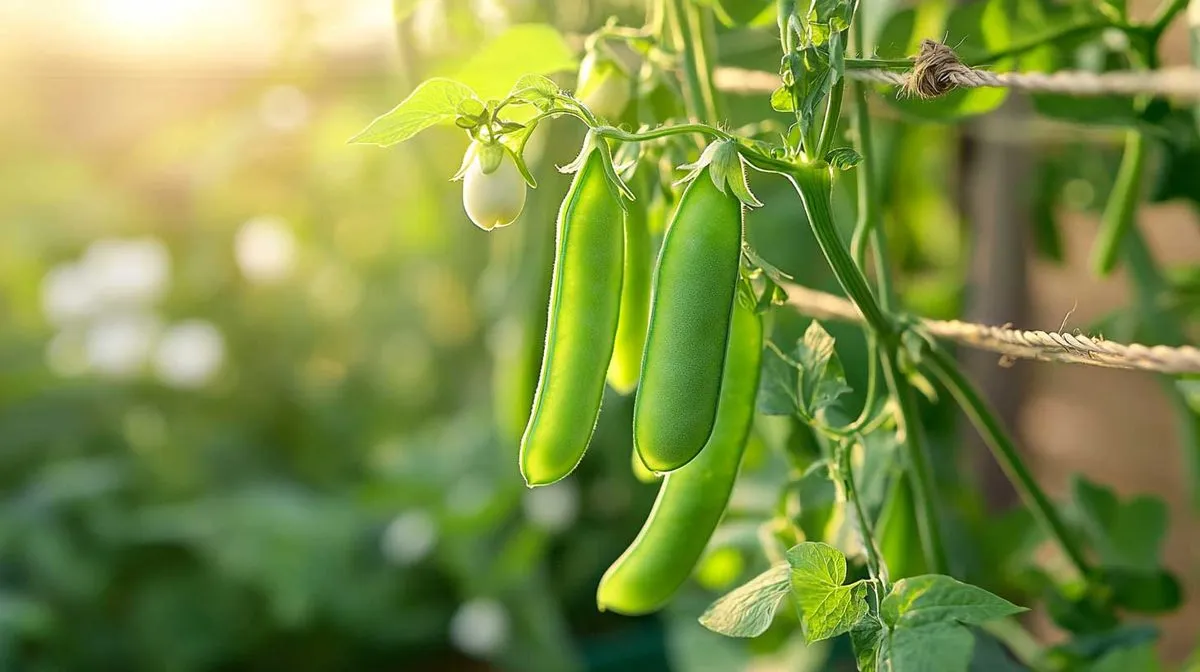
What it looks like as it grows


🌱 Plant profile: Peas, with sowing times for your region, companion plants and common pests.
Succession Sowing Planner
Peas reward a steady drip of sowings far more than one big planting. Choose your climate and pea type and the planner gives you the sowing window, the cadence to keep picking, spacing, and whether you need a trellis.
When to Plant Peas in Your Region
Peas are a cool-season crop almost everywhere in Australia. These are the sowing months for each region from our planting data. Each region links to its full vegetable planting calendar, and the Pea plant page has spacing, companions and care notes for your region.
| Region | Sow seed | Local note |
|---|---|---|
| South East Queensland | March to August | Sow Mar to Aug in the cool, dry months. Warm, humid weather brings mildew. |
| Northern Rivers NSW | March to September | Slightly longer winter window than SEQ, especially inland. |
| Sydney & Coastal NSW | April to August | Sow Apr to Aug. May to August sowings are the most reliable. |
| Melbourne & Victoria | March to August | Sow Mar to Aug (peak Apr to Jun). Melbourne's cool winter ideal for peas. Frost-hardy. |
| Adelaide & SA | March to August | Mediterranean: avoid sowing Sep to Feb. Peas thrive in cool winters; sow Mar to Aug. |
| Perth & WA | March to August | Sow Mar to Aug. Warm March spells can turn early sowings mildewy, so on the coastal plain the later sowings are the safer bet. |
| Tasmania | February and August to November | Sow Aug to Nov for the main crop and again in Feb for autumn picking. Plants take frost, flowers do not. A Tasmanian staple. |
| Canberra & ACT | March to August | Peas thrive in Canberra's cool season. Sow Mar to Aug; they are frost hardy, need support, and prolonged cool weather improves the flavour. |
| North Queensland | May to August | Dry season only. Cool-season crop; sow May to Aug. Peas fail in wet season humidity. |
| Darwin & Top End | May to August | Dry season only. Cool-season crop; sow May to Aug. Peas fail in wet season humidity. |
Most regions sow peas from March to August, Sydney from April to August and the Northern Rivers through to September. Tasmania is the exception: the plants take frost but the flowers do not, so the main crop is sown from August to November, with a second sowing in February for autumn picking. In North Queensland and Darwin, sow only in the dry season from May to August, because peas fail in wet season humidity.
Position and Soil
Peas want a sunny, open spot with free-draining soil. As legumes, they make their own nitrogen with the help of soil bacteria on their roots, so they do not need a rich bed. Heavy feeding with nitrogen gives you lots of leaf and few pods.
Dig the bed over and work in a little compost. A light dusting of garden lime before sowing helps if your soil is acidic, since peas prefer a near-neutral pH. Good drainage matters most: pea seeds rot quickly in cold, waterlogged ground.
Sowing
Peas are always sown direct where they are to grow. They resent transplanting and rarely recover from root disturbance. Sow seeds 3 to 5 cm deep and about 5 cm apart, with rows 45 to 60 cm apart. Press the soil down firmly so the seed makes good contact, then water gently.
Peas are a cool-season crop. Melbourne, Adelaide and Perth sow from March to August and Sydney from April to August. Canberra sows from March to August, and Tasmania from August to November and again in February. South East Queensland sows from March to August and the Northern Rivers to September, and the tropics have a short dry season window from May to August. The key to a long harvest is succession: sow a fresh short row every 2 to 3 weeks through your window rather than one big planting.
How to grow garden peas from seed, step by step
- Put the trellis or netting in first, unless you are growing a dwarf variety that holds itself up.
- Sow the seed direct about 3 cm deep and 5 cm apart along the support, and firm the soil over it.
- Water once, then hold back until the seedlings appear, because pea seed rots in cold, wet soil. Our plant data puts emergence at about 10 days in soil between 10 and 22°C.
- Guide the first tendrils onto the support, and keep the soil evenly moist once the plants start to flower.
- Feed lightly, if at all, because peas fix their own nitrogen. A little potassium helps the pods fill.
- Sow another short row every 2 to 3 weeks through your window.
Spacing
Sow seeds about 5 cm apart in the row, with 45 to 60 cm between rows so air moves freely and you can reach in to pick. Dwarf shelling peas hold themselves up in a block, while climbing types are grown along a trellis line. The planner above confirms the figures for your chosen type.
Watering and Feeding
Water regularly, especially once plants start to flower. Consistent moisture at flowering is the single biggest factor in a good pod set; dry spells cause flowers to drop. Water at the base in the morning rather than over the leaves.
Do not feed peas with nitrogen. They capture their own from the air through a partnership with soil bacteria, and added nitrogen reduces this and drives leaf at the expense of pods. Mulch around the base, ideally with pea straw, to keep the roots cool and the soil evenly moist.
Trellising
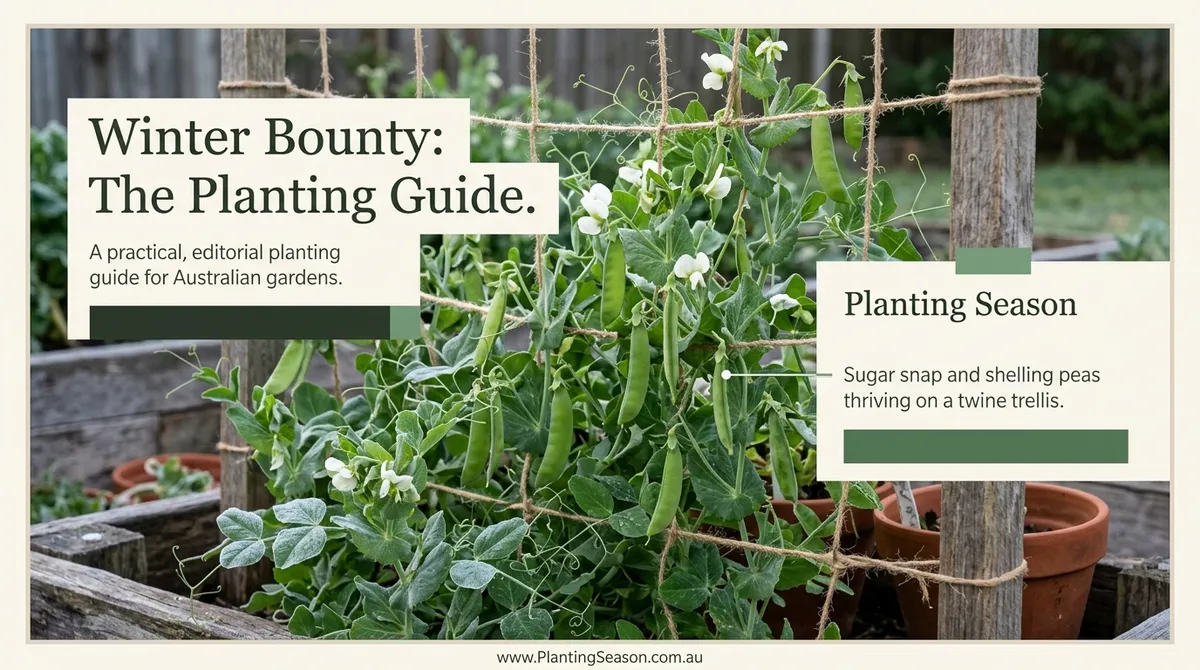
Dwarf shelling varieties like Greenfeast are self-supporting and grow to about 60 cm. Climbing varieties (most snow peas, sugar snaps, and tall shelling peas like Telephone) need a trellis 1.5 to 2 metres tall. Any of these work:
- Chicken wire: Stretch between two posts. Peas grab on with tendrils and climb easily.
- String trellis: Run vertical strings from a top rail. Cheap and effective.
- Sticks and branches: Push twiggy branches into the soil along the row. Free and natural.
Common Problems
Powdery mildew
A white powdery coating on leaves, usually late in the season as the weather warms. Improve airflow by spacing plants well and avoid overcrowding. Sow early so you harvest before the warm weather sets in.
Aphids
Clusters of small green or black aphids gather on the growing tips. A strong blast of water from the hose knocks them off; repeat every few days if they return. Ladybirds are excellent natural predators.
Poor germination
Pea seeds rot in soil that is too wet and cold. Let the soil dry slightly before sowing and avoid heavy watering straight after. If seeds fail to emerge after two weeks, resow.
Harvest
Pick peas regularly to keep the plant producing. Old pods left on the vine signal it to stop flowering. Use two hands: hold the stem with one and pull the pod with the other, as pea stems are brittle and snap easily.
- Shelling peas: Pick when pods are plump and you can feel the round peas inside. Pods should be bright green and firm.
- Snow peas: Pick when pods are flat and young, before the peas fill out. Overgrown snow peas turn tough and stringy.
- Sugar snaps: Pick when pods are full and rounded but still crisp and bright green. They should snap cleanly when bent.
How long do peas take to grow?
Our plant data allows about 75 days from sowing to picking, just under 11 weeks, and about 60 days for snow peas. An autumn sowing is picked from late autumn into winter, while Tasmania's spring sowings crop into summer.
Growing peas in pots
Peas grow well in a pot of at least 25 cm with a trellis, according to our plant data. Dwarf varieties such as Massey Gem suit containers best, and a wide trough with netting behind it gives climbing types room. Pots dry out faster than beds, so check them often once the plants flower.
Varieties
| Variety | Type | Days to harvest | Notes |
|---|---|---|---|
| Greenfeast | Shelling (dwarf) | 65 to 80 | Australia's most popular shelling pea. Self-supporting to about 60 cm, heavy cropper, sweet. No trellis needed. |
| Massey Gem | Shelling (dwarf) | 60 to 75 | Reliable compact early pea. Good for small beds and pots. Sweet, tender peas. |
| Telephone (Alderman) | Shelling (climbing) | 75 to 90 | Tall climber to 1.5 to 2 m. Large, well-flavoured pods. Needs a strong trellis. |
| Oregon Giant | Snow pea (climbing) | 65 to 75 | Flat edible pods picked before the peas fill. Very productive. A stir-fry staple. |
| Melting Mammoth | Snow pea (climbing) | 65 to 80 | Long, tender, sweet flat pods. Vigorous climber, needs a trellis. |
| Sugar Snap | Sugar snap (climbing) | 65 to 80 | Thick-walled edible pods, eaten whole. Climbs to about 1.5 m. Best picked young and crisp. |
Frequently Asked Questions
When to plant peas in Australia?
Peas are a cool-season crop. South East Queensland, Melbourne, Adelaide, Perth and Canberra sow from March to August, Sydney from April to August and the Northern Rivers from March to September. Tasmania sows from August to November and again in February. In North Queensland and Darwin, sow only in the dry season from May to August. Sow a fresh short row every 2 to 3 weeks through the window for a steady supply.
Do peas need a trellis?
Dwarf shelling varieties like Greenfeast are self-supporting and need no trellis. Climbing varieties like Telephone, snow peas, and sugar snaps need a trellis 1.5 to 2 metres tall. Chicken wire, string, or twiggy sticks all work well.
How long do peas take to grow?
Most peas are ready 9 to 11 weeks after sowing. Dwarf bush types like Greenfeast tend to be slightly faster. Regular picking encourages the plant to keep producing.
How do I get a steady supply of peas?
Sow a fresh short row every 2 to 3 weeks right through your cool-season window rather than one big planting. By the time one row slows down, the next is coming on, so you pick steadily for months instead of getting one short glut.
How far apart should I sow peas?
Sow seeds about 5 cm apart in the row and 3 to 5 cm deep, with rows 45 to 60 cm apart. Peas are sown direct and resent transplanting, so put them straight where they are to grow.
Can I grow peas in summer?
Peas struggle in hot weather. Temperatures above 25 to 30 degrees cause flowers to drop and plants to stop producing. Stick to autumn, winter, and early spring sowings for the best results.
How do you grow garden peas?
Sow the seed direct, about 3 cm deep and 5 cm apart, in a sunny, free-draining bed with a trellis in place for climbing types. Water once and then sparingly until the seedlings appear in about 10 days, keep the soil moist through flowering, and pick the pods regularly to keep new ones coming.
Should I soak peas before planting?
It is optional. Soaking overnight speeds germination by a day or two, and unsoaked seed simply sprouts a little later. Avoid sowing into cold, waterlogged soil, soaked or not, because pea seed rots easily.
Can I grow peas in pots?
Yes. Our plant data calls for a pot of at least 25 cm with a trellis. Dwarf varieties such as Massey Gem suit containers best. Keep the mix evenly moist once the plants flower, because pots dry out faster than garden beds.
When do you plant peas in Tasmania?
Our Tasmania calendar sows peas from August to November for the main crop and again in February for autumn picking. The plants take frost but the flowers do not, so the main sowing waits for spring.
See also: Peas in the Plant Library
Plant profile
The peas profile has sowing times for your region, companion plants and common pests.