How to Grow Marigold in Australia
Updated June 2026
A year-round flower crop for the home garden
Growing your own Marigold is one of the more satisfying things you can do in an Australian backyard. It is rated beginner to grow. Free companion planting, repels pests, saving crops worth $10+/week.
This guide covers when to plant Marigold in your region, the position and soil it likes, how to sow and space it, day-to-day care, the pests and diseases to watch, and how to harvest and store your crop.
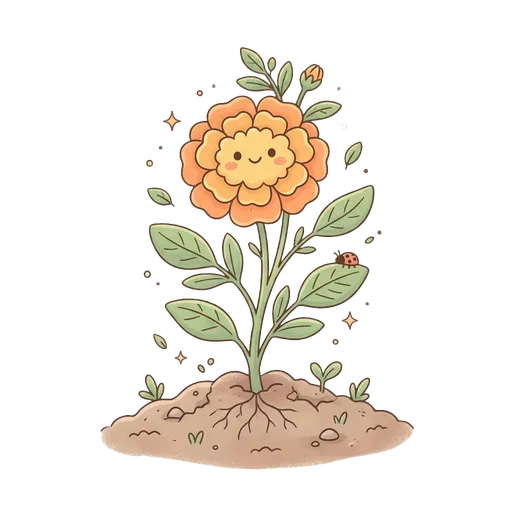
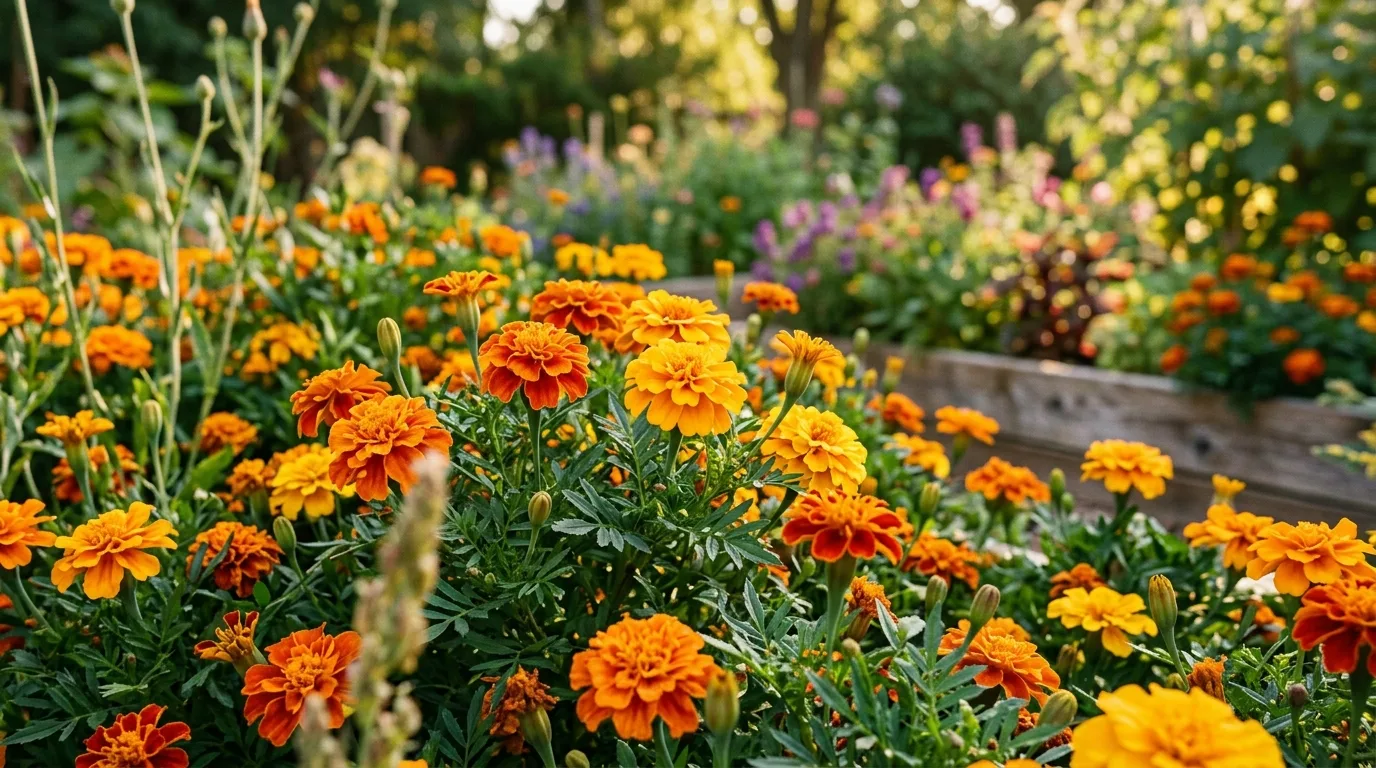
What it looks like as it grows


When to Plant in Your Region
Marigold is a year-round crop, frost-tender and needs a frost-free run. In subtropical South-East Queensland it is sown in March, April, May, June, July, August, September and October. Timing shifts with your climate, so choose your region below for a local calendar.
Varieties to Try
French Marigold (Tagetes patula)
The standard small bushy marigold, orange, yellow, red bicolours. Strongest nematode-deterrent root action.
Try: Yates, Mr Fothergill's, Bunnings
African / Mexican (Tagetes erecta)
Tall 60-90cm plants with large pompom blooms. Showier, less pest-deterrent but big visual impact.
Try: Yates, Mr Fothergill's, Bunnings
Signet Marigold (Tagetes tenuifolia)
Ferny foliage with small edible lemon-scented flowers. Great kitchen garden companion.
Try: Green Harvest, Eden Seeds
Sparky Mix
Compact French crested mix in flame colours. Reliable germinator, neat border plant.
Try: Mr Fothergill's, Yates
Crackerjack
Tall African type in golds and oranges. Cut-flower length stems. Bunnings racks in spring.
Try: Yates, Bunnings
Position and Soil
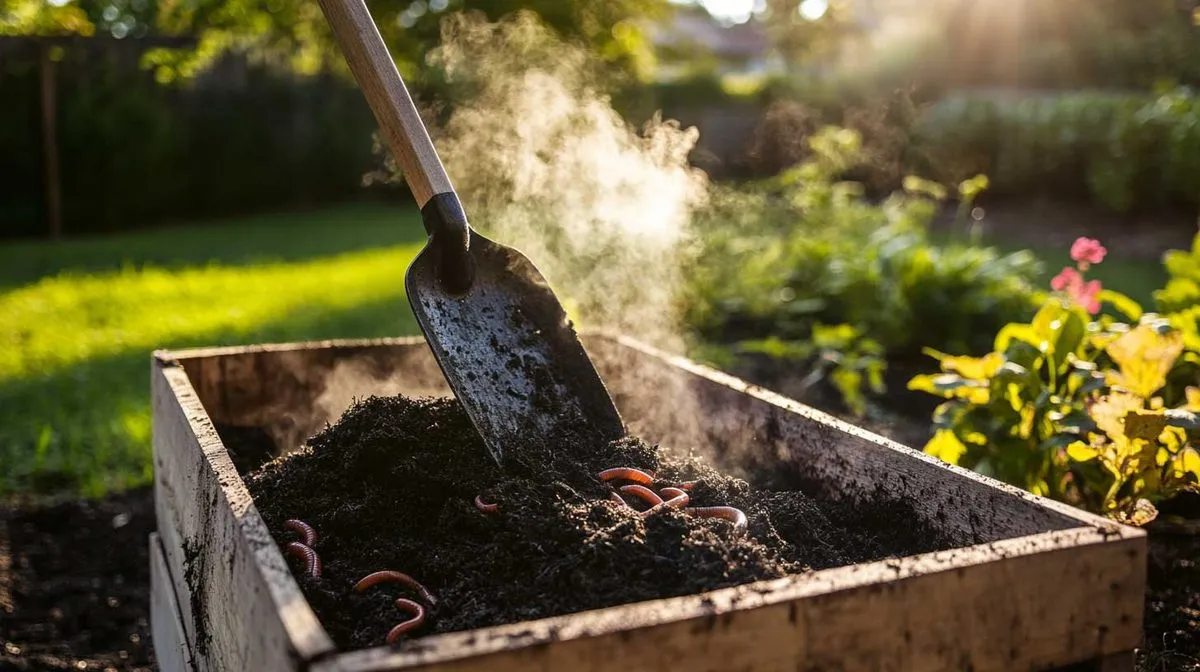
Give Marigold full sun (at least 6 hours a day). It does best in free-draining soil with a pH around 6 to 7.5. Dig through plenty of compost before planting, and mulch to hold moisture and keep weeds down. It grows happily in a pot of 20cm+, which makes it a fine choice for balconies and courtyards.
Sowing and Spacing
Sow seed on the surface, barely covered. Thin or space plants to about 25 cm apart. Seedlings usually appear in around 8 days, fastest when the soil is between 18 and 25 degrees.
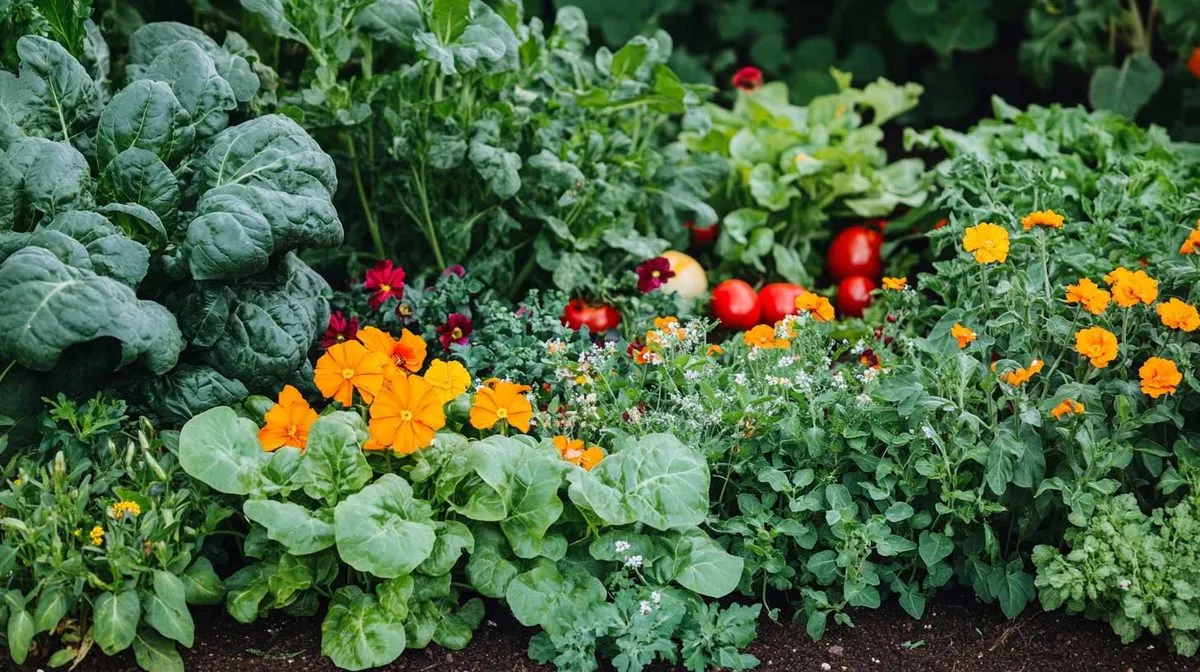
Deters nematodes and whitefly. Plant around tomatoes and beans.
Care
Water consistently, roughly 3 L per plant every 2 days in warm weather, less in cool or wet spells. Feed every few weeks through the growing season with a balanced organic fertiliser, and keep mulch topped up.
Pests and Diseases
Keep an eye out for Spider mite. The main diseases to watch are Powdery mildew. Good spacing, watering at the base rather than over the leaves, and crop rotation prevent most problems. See our Pest and Disease Guide to identify and fix any issue.
Harvesting and Storage
Marigold is typically ready to harvest in roughly 7 weeks. Dry petals at room temperature and store in a sealed jar for months.
In the Kitchen
In the kitchen, marigold is good petals scattered over salads, petals infused into oil or vinegar, used as a natural food-colouring substitute for saffron and dried petals in herbal teas. Nutritionally: petals have antimicrobial and anti-inflammatory properties and used traditionally for wound healing.
Companion Planting
Marigold grows well alongside Tomato, Beans, Capsicum, Eggplant, Cucumber, Zucchini and Pumpkin. Our Companion Planting Guide has the full pairings.
Track Your Marigold Growing
Add marigold to your garden in the Planting Season app and get reminders for planting, care and harvest, tuned to your region.
Open the App →Frequently Asked Questions
When should I plant Marigold in Australia?
Marigold is a year-round crop. In subtropical regions like South-East Queensland it is sown in March, April, May, June, July, August, September and October. Timing changes with your climate, so use the calendar above for your region.
How long does Marigold take to grow?
Marigold is generally ready to harvest in roughly 7 weeks.
Can I grow Marigold in a pot?
Yes. Marigold grows well in a container of 20cm+ with free-draining mix and regular watering.
How much sun does Marigold need?
Give it full sun (at least 6 hours a day) for the healthiest growth and best harvest.
See also: Marigold in the Plant Library