How to Grow Jackfruit in Australia
Updated June 2026
A warm-season fruit for the long-term patch
Growing Jackfruit at home is well within reach for most Australian gardeners, and this guide walks you through every step. It is rated intermediate to grow. Saves ~$8-15/kg on fresh or $10-20/kg on pre-pulled. One tree produces hundreds of kilos.
This guide covers when to plant Jackfruit in your region, the position and soil it likes, how to plant it, day-to-day care, the pests and diseases to watch, and how to harvest and store your crop.
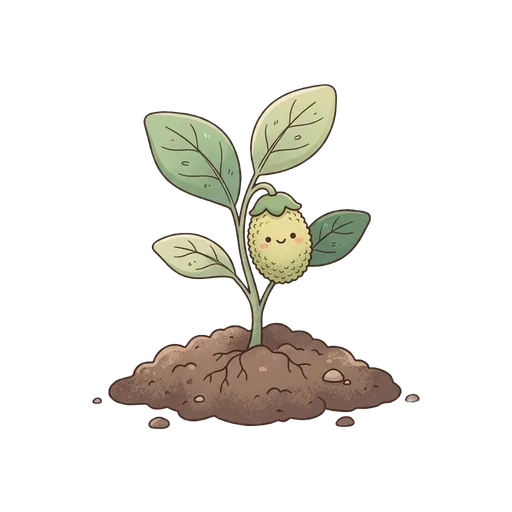
What it looks like as it grows


When to Plant in Your Region
Jackfruit is a warm-season crop, frost-tender and needs a frost-free run. In subtropical South-East Queensland it is best planted in October, November, December, January and February. Timing shifts with your climate, so choose your region below for a local calendar.
Varieties to Try
Black Gold
Smaller tree, excellent sweet ripe flesh. Good for home gardens.
Try: Daleys, Tropical Fruit World
Cheena
Malaysian selection. Firm flesh, less sticky latex. Good for eating fresh.
Try: Daleys, specialist nurseries
Position and Soil
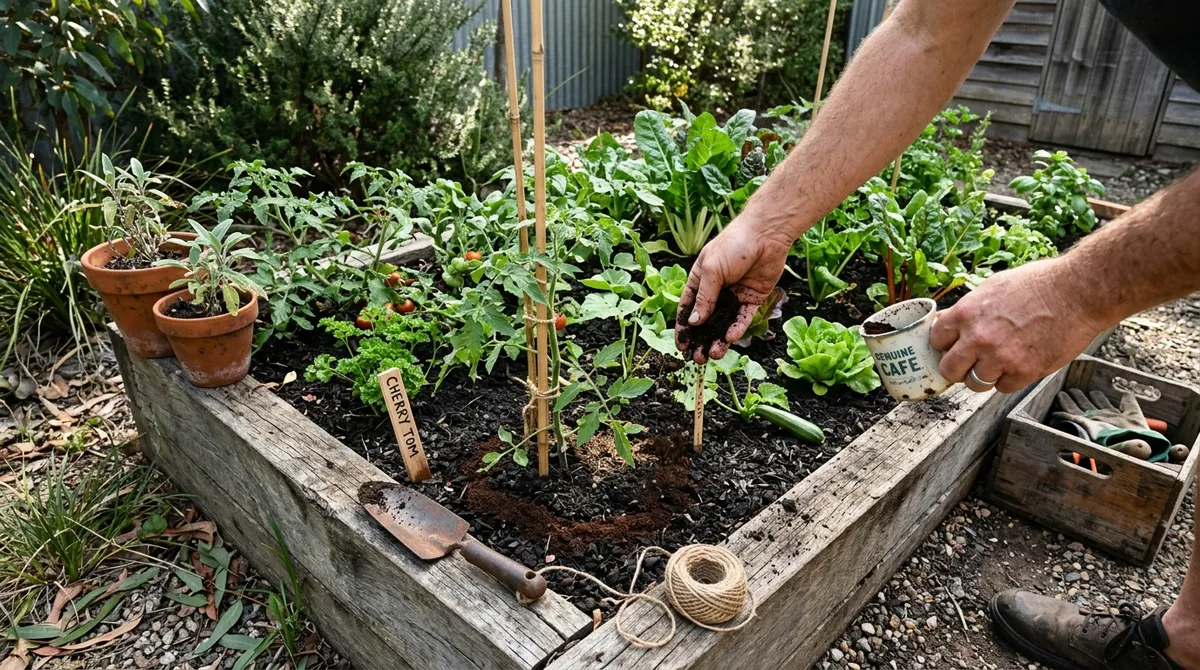
Give Jackfruit full sun (at least 6 hours a day). It does best in free-draining soil with a pH around 5 to 7. Dig through plenty of compost before planting, and mulch to hold moisture and keep weeds down. It needs an open garden bed rather than a pot, getting too big or deep-rooted for containers.
Planting
Plant Jackfruit into a well-prepared hole the same depth as the rootball and twice as wide. Allow about 1000 cm between plants (more for full-size trees) so each has room and airflow. Water in well, stake if needed, and keep the area weed-free while it establishes.
World's largest tree fruit. True tropical. Reliable in Darwin, North QLD and warm coastal zones. Massive tree, needs space. Green (unripe) flesh used as a pulled-pork meat substitute. Ripe flesh is sweet and aromatic. Seeds edible when boiled or roasted. Plant from seed (fast growing) or buy a grafted tree for earlier fruiting.
Care
Water consistently, roughly 20 L per plant every 4 days in warm weather, less in cool or wet spells. Feed every few weeks through the growing season with a balanced organic fertiliser, and keep mulch topped up.
Pests and Diseases
Keep an eye out for Fruit fly and Borers. The main diseases to watch are Rhizopus rot and Soft rot. Good spacing, watering at the base rather than over the leaves, and crop rotation prevent most problems. See our Pest and Disease Guide to identify and fix any issue.
Harvesting and Storage
Jackfruit is typically ready to harvest within roughly 49 months once established (young plants may take a season or two longer). Ripe segments fridge 3-5 days. Freeze pulled flesh for months.
In the Kitchen
In the kitchen, jackfruit is good ripe flesh eaten fresh or in smoothies, unripe flesh pulled and used as a meat substitute, seeds boiled or roasted as a snack and made into curries and stews. Nutritionally: high in vitamin C and potassium and good source of plant protein.
Companion Planting
Jackfruit grows well alongside Tropical fruit trees. Our Companion Planting Guide has the full pairings.
Track Your Jackfruit Growing
Add jackfruit to your garden in the Planting Season app and get reminders for planting, care and harvest, tuned to your region.
Open the App →Frequently Asked Questions
When should I plant Jackfruit in Australia?
Jackfruit is a warm-season crop. In subtropical regions like South-East Queensland it is best planted in October, November, December, January and February. Timing changes with your climate, so use the calendar above for your region.
How long does Jackfruit take to grow?
Jackfruit is generally ready to harvest within roughly 49 months once established (young plants may take a season or two longer).
Can I grow Jackfruit in a pot?
It is best grown in an open garden bed rather than a pot, needing more root room than a container gives.
How much sun does Jackfruit need?
Give it full sun (at least 6 hours a day) for the healthiest growth and best harvest.
See also: Jackfruit in the Plant Library