How to Grow Dahlia in Australia
Updated June 2026

A warm-season flower crop for the home garden
Growing Dahlia rewards a little local know-how, and in the right season the plants do most of the work for you. It is rated intermediate to grow. Saves ~$10-20/bunch on dahlia cut flowers, tubers multiply each year so your collection grows for free.
This guide covers when to plant Dahlia in your region, the position and soil it likes, how to sow and space it, day-to-day care, the pests and diseases to watch, and how to harvest and store your crop.
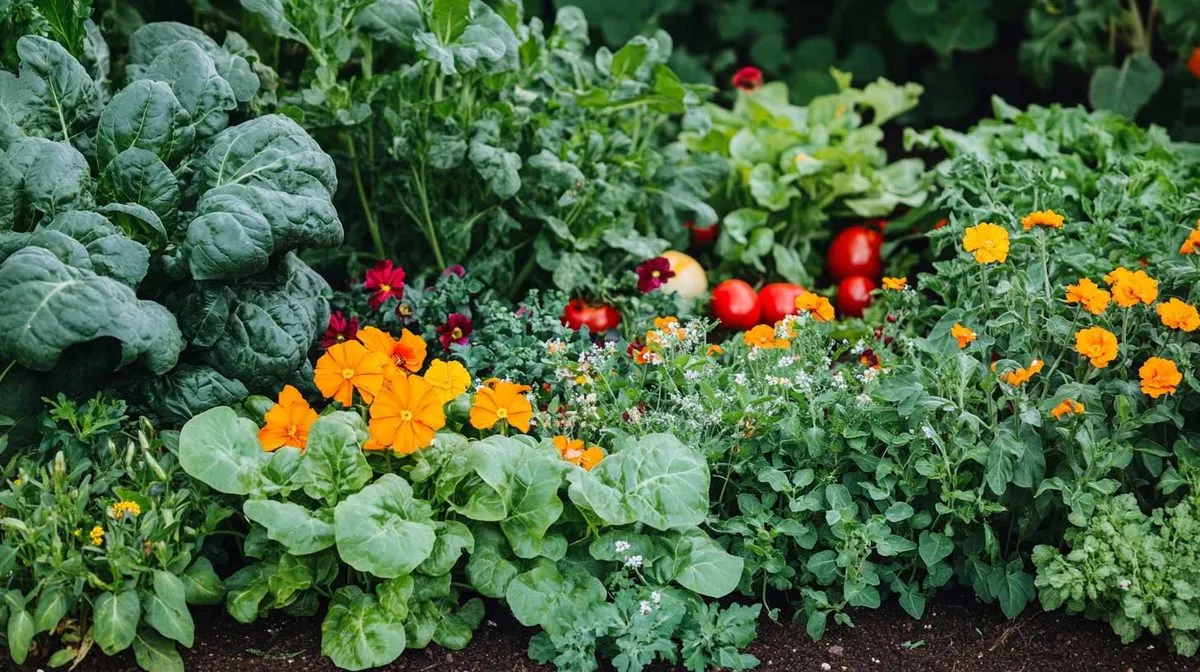
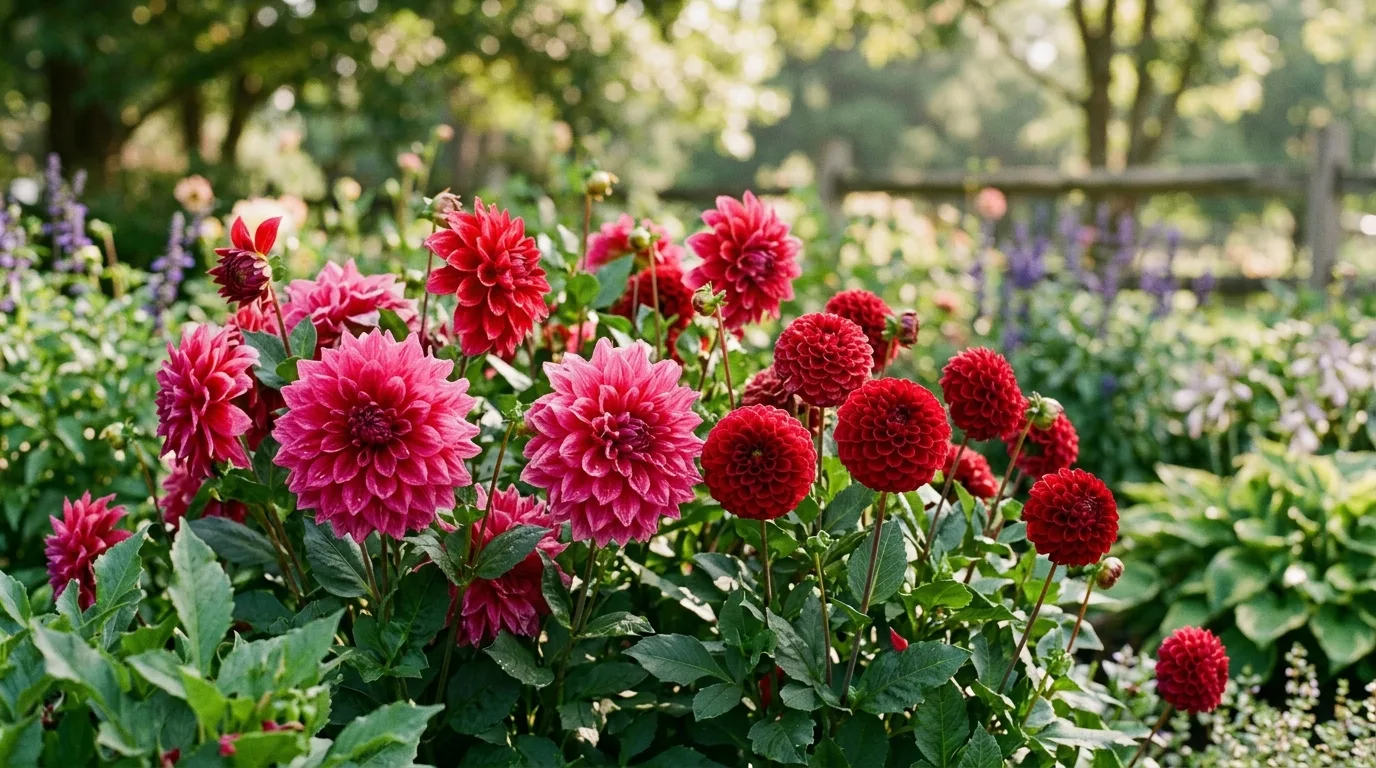
What it looks like as it grows


When to Plant in Your Region
Dahlia is a warm-season crop, frost-tender and needs a frost-free run. In subtropical South-East Queensland it is sown in August, September, October and November. Timing shifts with your climate, so choose your region below for a local calendar.
Varieties to Try
Cafe au Lait
Dinner-plate sized blooms in creamy blush tones. The most popular wedding and florist dahlia. Tall, needs staking.
Try: Diggers, Bulbs Direct, garden centres
Bishop of Llandaff
Dark bronze-red foliage with single scarlet flowers. Compact, stunning contrast. Classic heirloom.
Try: Diggers, Bulbs Direct, Gardenworld
Pompon Mix
Small perfectly round blooms in mixed colours. Compact plants, brilliant for cutting. Long vase life.
Try: Mr Fothergill's, Bulbs Direct, Bunnings
Position and Soil
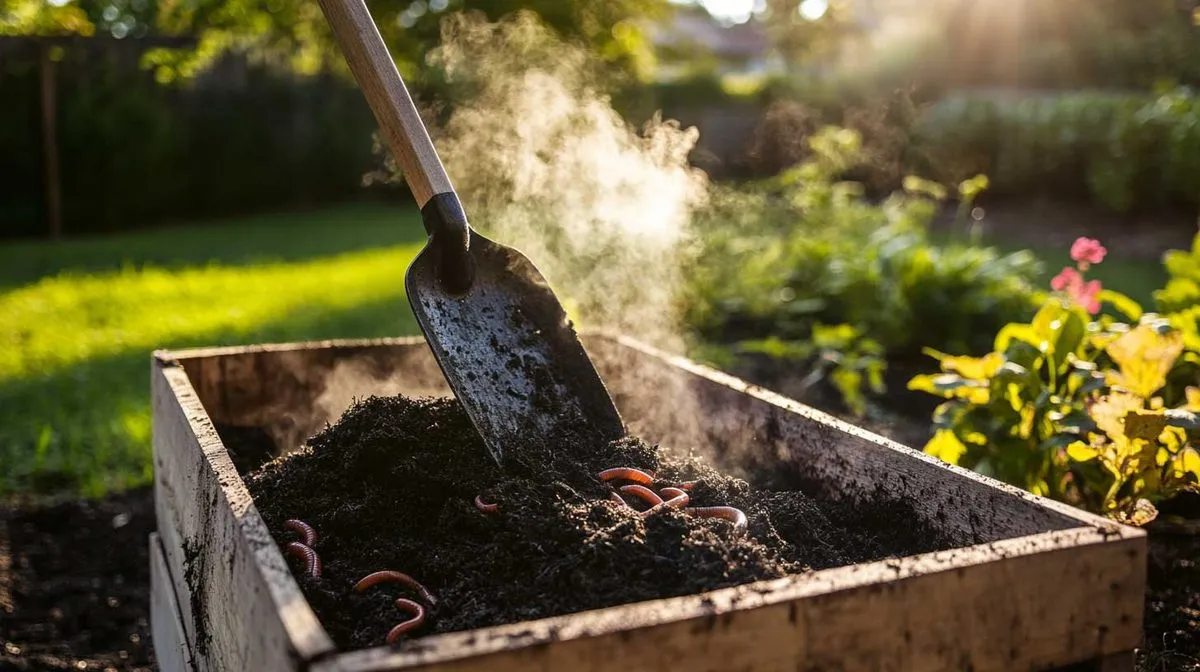
Give Dahlia full sun (at least 6 hours a day). It does best in free-draining soil with a pH around 6 to 7.5. Dig through plenty of compost before planting, and mulch to hold moisture and keep weeds down. It grows happily in a pot of 40cm+, which makes it a fine choice for balconies and courtyards.
Sowing and Spacing
Sow seed about 10 cm deep. Thin or space plants to about 60 cm apart. Seedlings usually appear in around 14 days, fastest when the soil is between 15 and 25 degrees.
Warm season perennial tuber producing stunning cut flowers from summer through autumn. Plant tubers August to November in SEQ. Huge range of flower forms from dinner-plate to pompom to cactus. Stake tall varieties. Pinch growing tips early to encourage branching. Deadhead spent blooms. In cold climates, lift tubers after frost kills the foliage and store dry over winter. In frost-free zones, leave in the ground year-round.
Care
Water consistently, roughly 6 L per plant every 2 days in warm weather, less in cool or wet spells. Feed every few weeks through the growing season with a balanced organic fertiliser, and keep mulch topped up.
Pests and Diseases
Keep an eye out for Aphids, Slugs, Snails and Earwigs. The main diseases to watch are Powdery mildew, Botrytis and Dahlia mosaic virus. Good spacing, watering at the base rather than over the leaves, and crop rotation prevent most problems. See our Pest and Disease Guide to identify and fix any issue.
Harvesting and Storage
Dahlia is typically ready to harvest in around 90 days (about 3 months). Cut flowers last 5-7 days in a vase. Lift tubers in cold climates and store dry in a cool dark place.
In the Kitchen
In the kitchen, dahlia is good petals are technically edible but primarily grown as cut flowers and tubers have been eaten historically but not common. Nutritionally: attracts pollinators and beneficial insects and provides stunning cut flowers for wellbeing.
Companion Planting
Dahlia grows well alongside Marigold, Zinnia and Cosmos. Our Companion Planting Guide has the full pairings.
Track Your Dahlia Growing
Add dahlia to your garden in the Planting Season app and get reminders for planting, care and harvest, tuned to your region.
Open the App →Frequently Asked Questions
When should I plant Dahlia in Australia?
Dahlia is a warm-season crop. In subtropical regions like South-East Queensland it is sown in August, September, October and November. Timing changes with your climate, so use the calendar above for your region.
How long does Dahlia take to grow?
Dahlia is generally ready to harvest in around 90 days (about 3 months).
Can I grow Dahlia in a pot?
Yes. Dahlia grows well in a container of 40cm+ with free-draining mix and regular watering.
How much sun does Dahlia need?
Give it full sun (at least 6 hours a day) for the healthiest growth and best harvest.
See also: Dahlia in the Plant Library