How to Grow Chestnut in Australia
Updated September 2026
A big, long-lived tree for cool districts and acid soil
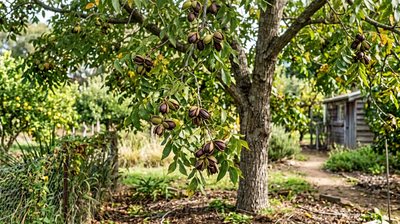
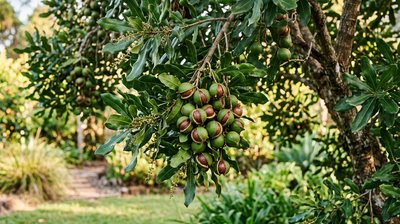
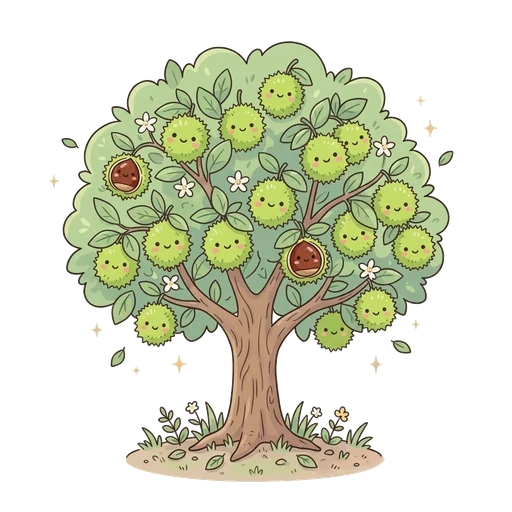
The sweet chestnut, Castanea sativa, is a large, long-lived tree grown for the starchy nuts that roast so well in winter. Chestnuts are much lower in fat than other nuts and behave more like a grain in the kitchen, whether roasted, boiled or ground into flour.
The tree grows to 8 to 20 m and needs a cool climate, slightly acid, free-draining soil and a second tree for pollination. This guide covers each of those, plus the diseases to avoid, how to gather the spiny burrs, and how to keep fresh nuts from spoiling.
When to Plant in Your Region
Chestnuts are planted as dormant bare-root or potted trees in winter. Plant from June to August in Sydney & Coastal NSW, Melbourne & Victoria, Adelaide & SA, Perth & WA, Tasmania and Canberra & ACT. It is not suited to South East Queensland, Northern Rivers NSW, North Queensland and Darwin & Top End. Choose your region below for the local calendar and any regional note.
Climate and Where It Grows in Australia
Chestnuts need a cold winter and do their best in the tablelands, hills and alpine valleys, where summers are warm but nights are cool.
The site lists chestnuts as suited to Sydney, Melbourne, Adelaide, Perth, Tasmania and Canberra, all planted in winter. The strongest crops in those regions come from the cooler districts, such as the Victorian high country, the Adelaide Hills and the south west of Western Australia. On the warmer coastal plains around Sydney and Perth, pick the coolest spot with the deepest soil. South East Queensland, the Northern Rivers and the tropics are too warm and are not suited.
- South East Queensland: not suited. Not viable in SEQ. A tableland and alpine tree that needs a cold winter.
- Northern Rivers NSW: not suited. Not viable. Chestnuts need a cold tableland winter. Too warm on the coast and in the hinterland.
- Sydney & Coastal NSW: plant from June to August.
- Melbourne & Victoria: plant from June to August.
- Adelaide & SA: plant from June to August.
- Perth & WA: plant from June to August.
- Tasmania: plant from June to August.
- Canberra & ACT: plant from June to August.
- North Queensland: not suited. Not viable. Chestnuts need a cold winter. Impossible in the tropics.
- Darwin & Top End: not suited. Not viable. Chestnuts need a cold winter. Darwin has none.
Choosing a Variety
Grafted named varieties
The better choice for nuts. A named tree gives predictable nut size and flavour and starts bearing sooner. Ask your nursery which varieties they grow as pollination partners.
Seedling trees
Cheaper and vigorous, but nut size and quality vary from tree to tree and they take longer to bear. Useful as a pollinator for a grafted tree.
Two trees, not one
Whichever you choose, plan for at least two different trees. A single chestnut sets few nuts on its own.
Planting
Plant in winter while the tree is dormant, in full sun. The two things a chestnut will not accept are alkaline soil and waterlogged soil.
- Soil. Deep, free-draining and slightly acid, around pH 5.5 to 6.5. Avoid limy soils and any spot where water sits after rain.
- Space. Allow about 10 m between trees and from buildings. A mature chestnut is a very large tree.
- Planting. Dig wide, set the tree at the depth it grew in the pot, water in and mulch widely, keeping mulch off the trunk.
Care
Watering
Water young trees deeply through their first few summers. Mature trees are fairly drought tolerant, but a dry summer while the nuts are sizing gives small nuts, so a deep soak every couple of weeks in dry spells is worthwhile. Never keep the soil wet, which invites root disease.
Feeding
Chestnuts need little feeding. Spread compost or a light application of a balanced fertiliser in late winter, and avoid lime and fertilisers that raise soil pH.
Pruning
Train young trees to a strong central trunk with well spaced branches, and gradually remove the lowest branches so you can gather nuts underneath. Beyond that, prune only dead, damaged and crossing wood, in dry weather.
Pollination
Chestnuts flower in early summer with long, creamy, strongly scented catkins. Pollen moves on the wind and with insects. Most trees are largely self-incompatible, so plant at least two different varieties or seedlings in the same area to get a crop.
Pests and Diseases
Ink disease is a Phytophthora root rot and the most common way chestnuts die in gardens. Leaves yellow and thin, and dark sap may ooze from the base of the trunk. It thrives in poorly drained soil, so the prevention is in the planting: good drainage and no overwatering.
Chestnut blight is a serious bark disease that has been found in north east Victoria. It causes sunken, orange brown cankers on the bark, often with tiny orange pustules, and branches die back beyond them. Report any suspect canker to the Exotic Plant Pest Hotline on 1800 084 881.
- Nut grubs. Weevil and moth larvae bore into some nuts. Gather fallen nuts promptly and clear old nuts and burrs from under the tree over winter so the grubs have nowhere to finish their cycle.
- Birds, rats and possums. All take nuts, mostly from the ground.
Harvest and Storage
Chestnuts ripen in autumn. The spiny burrs split open and the glossy nuts fall, sometimes still inside the burr. Wear thick gloves and gather every day, because fallen nuts spoil and are taken by animals quickly.
Fresh chestnuts are high in moisture, which is why they do not keep like other nuts. At room temperature they either go mouldy or dry out and turn hard within days.
- Short term. Keep them in the fridge in a paper bag or a bag with holes for a few weeks.
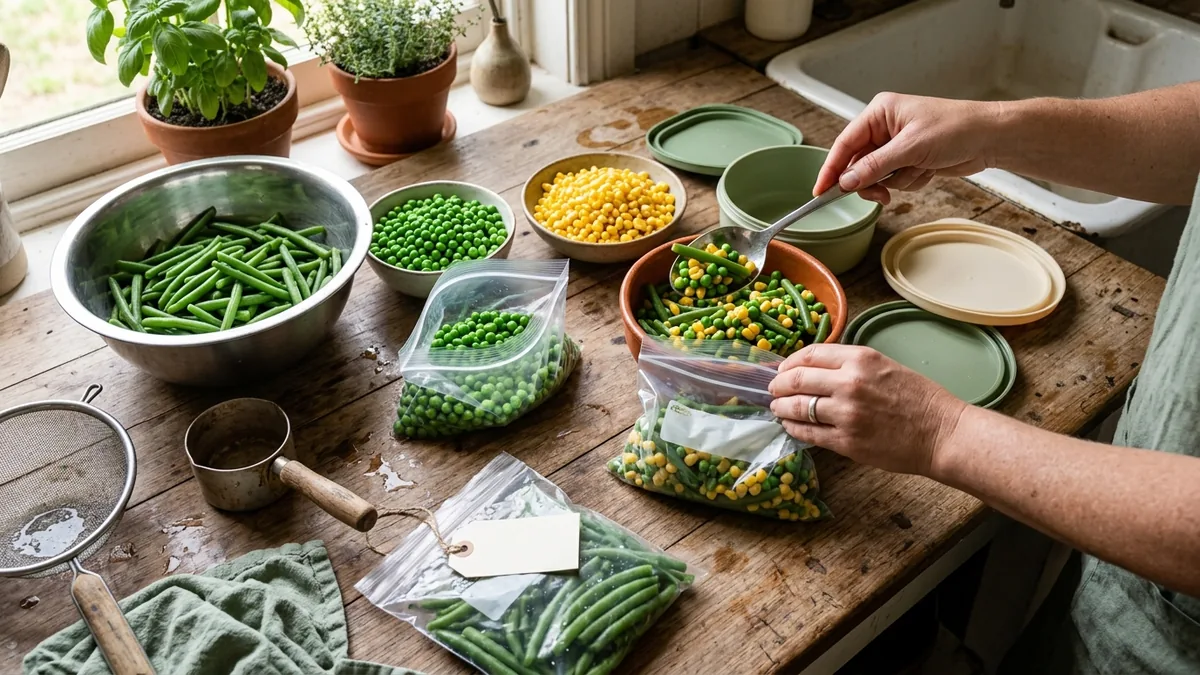
- Long term. Roast or boil, peel, and freeze the kernels, or dry them and grind into flour.
Track Your Chestnut Tree
Add chestnuts to your garden in the Planting Season app and get reminders for planting, care and harvest, tuned to your region.
Open the App →Frequently Asked Questions
When should I plant chestnuts in Australia?
It depends on your region. Plant from June to August in Sydney & Coastal NSW, Melbourne & Victoria, Adelaide & SA, Perth & WA, Tasmania and Canberra & ACT. It is not suited to South East Queensland, Northern Rivers NSW, North Queensland and Darwin & Top End. Choose your region in the calendar on this page for the local window.
Do I need two chestnut trees?
Yes, for a worthwhile crop. Chestnuts are largely self-incompatible, so plant at least two different varieties or seedling trees in the same area.
How long does a chestnut tree take to bear nuts?
A grafted chestnut usually starts bearing in about five years. Seedling trees tend to take longer, and crops on both keep building for many years.
How do I store fresh chestnuts?
Keep them cold. Fresh chestnuts spoil within days at room temperature, but they keep for a few weeks in the fridge in a paper bag. For longer storage, cook and peel them and freeze the kernels.
See also: Sweet Chestnut in the Plant Library