Rats: identify, prevent, control
Updated June 2026
Numbers peak in autumn and winter, March to August, as they seek food and shelter, with breeding ramping up in spring.
Rats and mice gnaw fruit, dig up seed, strip corn and citrus and tunnel through garden beds. They breed quickly and are drawn to compost, pet food and fallen fruit, so good garden hygiene matters as much as control.
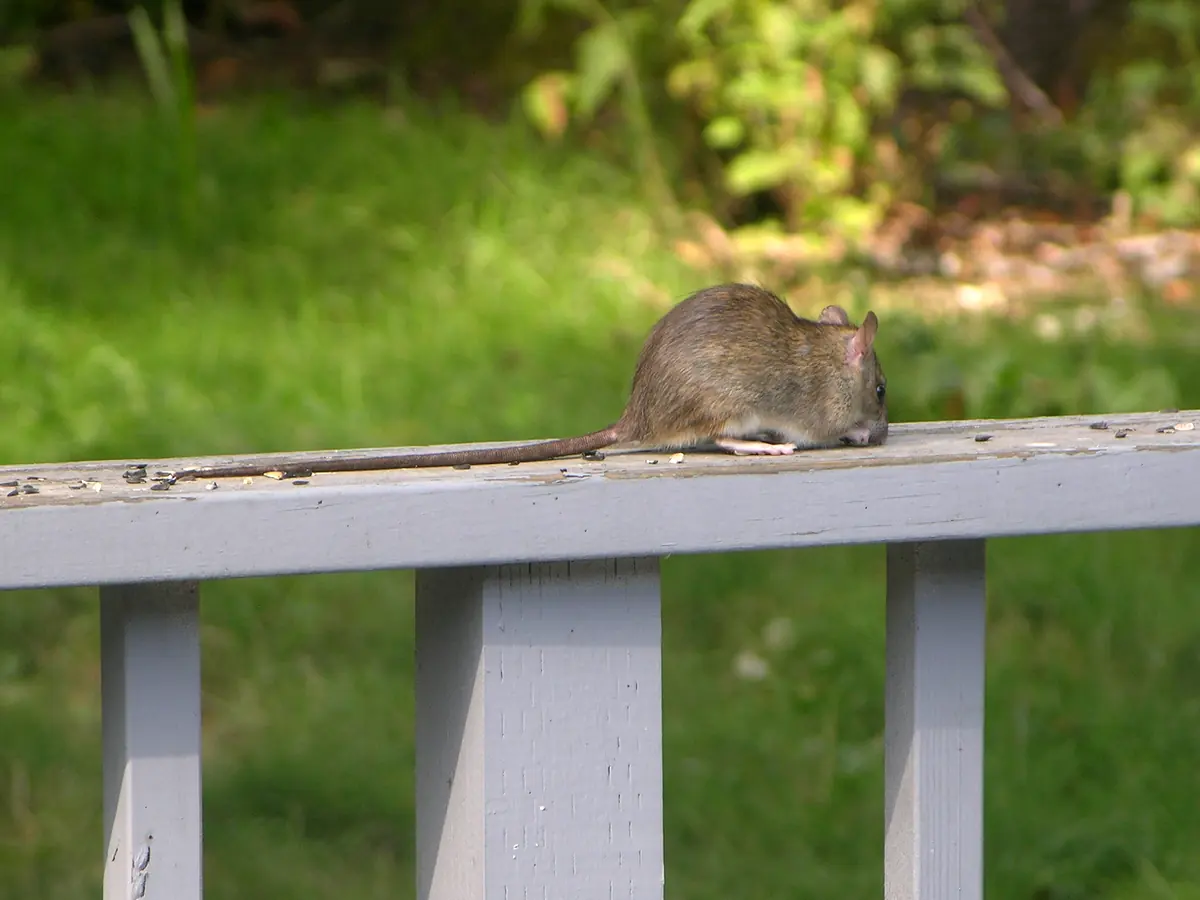
How to identify it
- Gnaw marks on fruit, pumpkins and citrus, often hollowed out
- Droppings along fences, beds and shed edges
- Burrows and runways through mulch and under structures
- Dug-up seed and stripped corn cobs
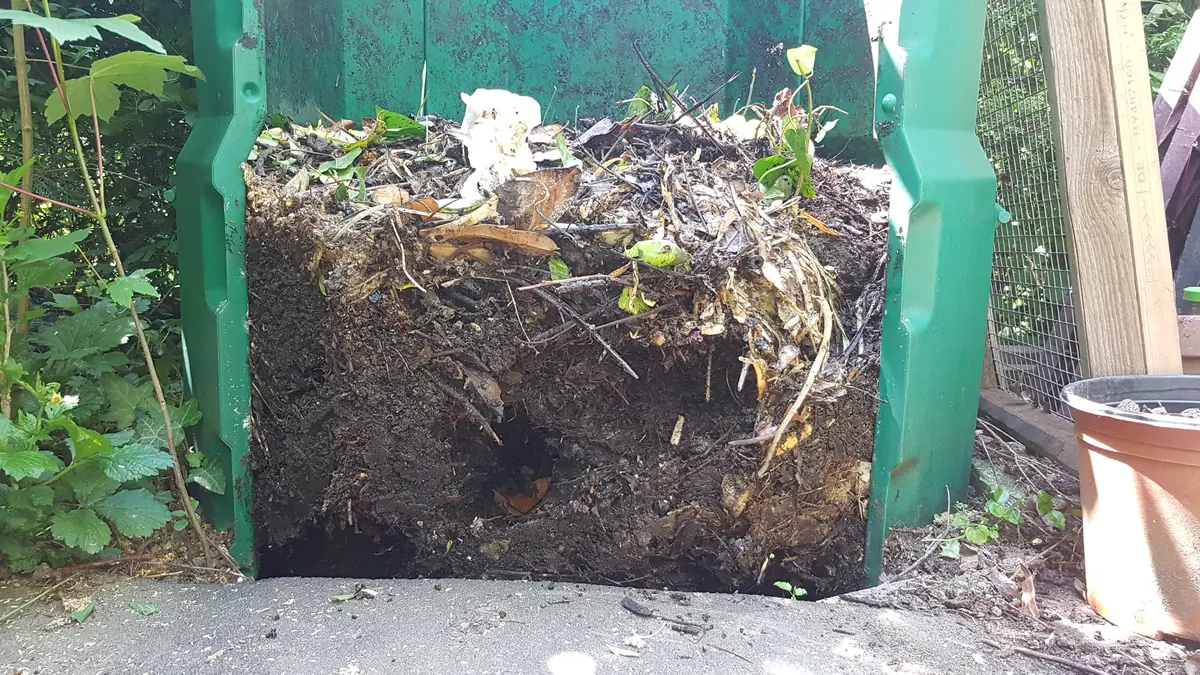
How to prevent it
- Remove food sources by clearing fallen fruit and securing compost and pet food
- Store seed and harvested produce in sealed metal or glass containers
- Cut back dense ground cover and clear rubbish piles that give shelter
- Harvest ripe fruit and vegetables promptly rather than leaving them out
Organic control, step by step
- Set snap traps along walls and runways, baited with peanut butter, in covered stations away from pets and wildlife
- Keep compost in an enclosed rodent-resistant bin and turn it regularly
- Encourage natural predators by making the garden welcoming to owls and avoiding poisons that move up the food chain
- Avoid loose anticoagulant baits, which poison owls and pets that eat affected rodents
- Block entry points into sheds and roof spaces with steel mesh
Track it in the app. The free Planting Season planner lists the pests and diseases to watch for on every plant in your garden, tuned to your region.