How to Grow Broccolini in Australia
Updated June 2026

A cool-season brassica crop for the home garden
Growing your own Broccolini is one of the more satisfying things you can do in an Australian backyard. It is rated intermediate to grow. Saves ~$4-6/bunch vs supermarket, side shoots keep producing for weeks.
This guide covers when to plant Broccolini in your region, the position and soil it likes, how to sow and space it, day-to-day care, the pests and diseases to watch, and how to harvest and store your crop.
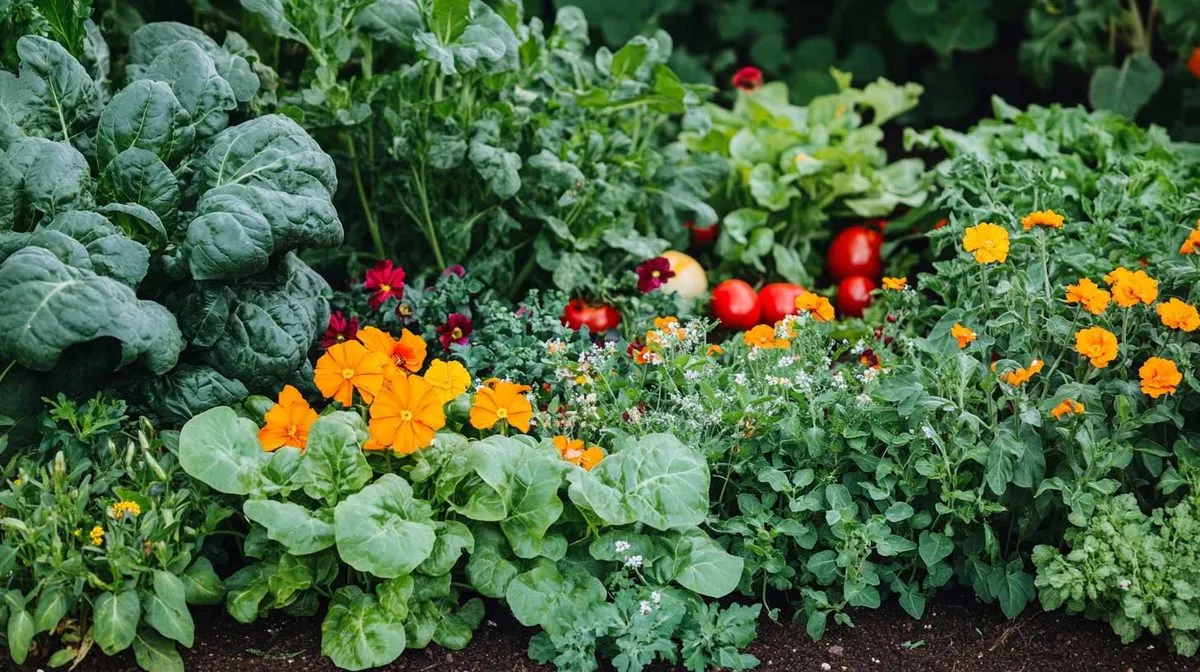
What it looks like as it grows


When to Plant in Your Region
Broccolini is a cool-season crop, half-hardy (it takes light frost but not a hard freeze). In subtropical South-East Queensland it is sown in March, April, May, June, July and August. Timing shifts with your climate, so choose your region below for a local calendar.
Varieties to Try
Inspiration F1
The standard Australian broccolini. Long thin stems, small florets, sweet flavour. Heavy side-shoot production.
Try: Mr Fothergill's, specialty seedling nurseries
Atlantis
Vigorous hybrid with excellent side-shoot production. Reliable in cooler SEQ months.
Try: Green Harvest, specialty nurseries
Position and Soil
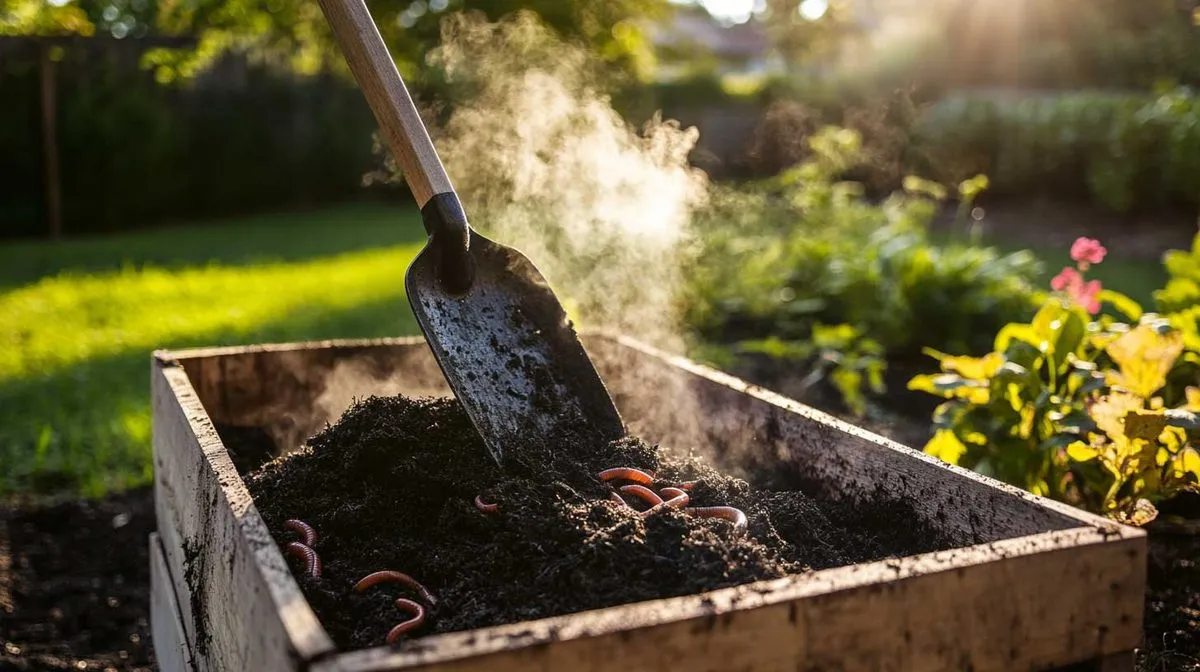
Give Broccolini full sun (at least 6 hours a day). It does best in free-draining soil with a pH around 6 to 7. Dig through plenty of compost before planting, and mulch to hold moisture and keep weeds down. It can be container-grown in 35cm+, though it is happier in the ground.
Sowing and Spacing
Sow seed about 1 cm deep. Thin or space plants to about 30 cm apart. Seedlings usually appear in around 7 days, fastest when the soil is between 10 and 25 degrees.
A broccoli-gai lan hybrid with long tender stems and small florets. Cool-season crop for SEQ (March-August). Cut the central head first and side shoots keep producing for weeks, extending the harvest season significantly. Net against cabbage moth from day one.
Care
Water consistently, roughly 6 L per plant every 2 days in warm weather, less in cool or wet spells. Feed every few weeks through the growing season with a balanced organic fertiliser, and keep mulch topped up.
Pests and Diseases
Keep an eye out for Cabbage moth, Aphids and Whitefly. The main diseases to watch are Clubroot, Downy mildew and Black rot. Good spacing, watering at the base rather than over the leaves, and crop rotation prevent most problems. See our Pest and Disease Guide to identify and fix any issue.
Harvesting and Storage
Broccolini is typically ready to harvest in around 70 days (about 2 months). Fridge in a sealed bag, up to 5 days. Blanch and freeze well.
In the Kitchen
In the kitchen, broccolini is good charred on the BBQ with lemon and garlic, steamed or blanched as a side dish, stir-fried with oyster sauce and sesame and roasted with chilli and parmesan. Nutritionally: high in vitamin C and sulforaphane and contains folate and fibre.
Companion Planting
Broccolini grows well alongside Beetroot, Onion, Celery, Dill, Rosemary, Sage, Chamomile and Nasturtium. Keep it away from Tomato, Strawberry and Climbing beans. Our Companion Planting Guide has the full pairings.
Track Your Broccolini Growing
Add broccolini to your garden in the Planting Season app and get reminders for planting, care and harvest, tuned to your region.
Open the App →Frequently Asked Questions
When should I plant Broccolini in Australia?
Broccolini is a cool-season crop. In subtropical regions like South-East Queensland it is sown in March, April, May, June, July and August. Timing changes with your climate, so use the calendar above for your region.
How long does Broccolini take to grow?
Broccolini is generally ready to harvest in around 70 days (about 2 months).
How much sun does Broccolini need?
Give it full sun (at least 6 hours a day) for the healthiest growth and best harvest.
See also: Broccolini in the Plant Library