How to Grow Asparagus in Australia
Updated June 2026
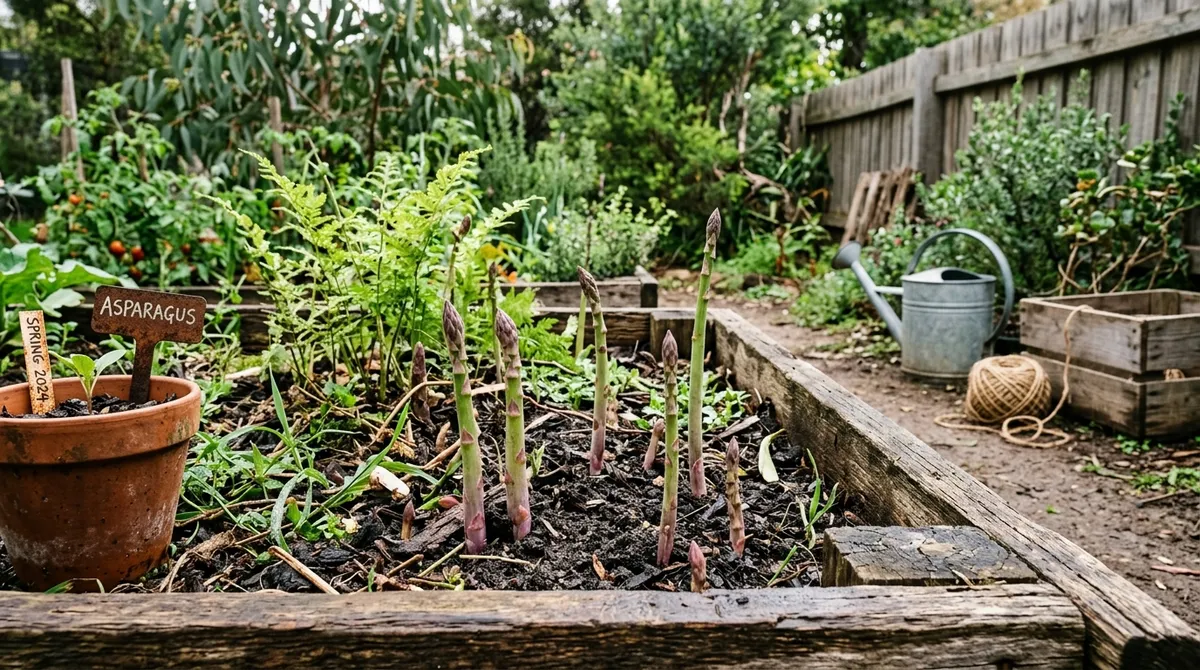
Plant a crown bed once and pick fresh spears every spring for 15 to 20 years
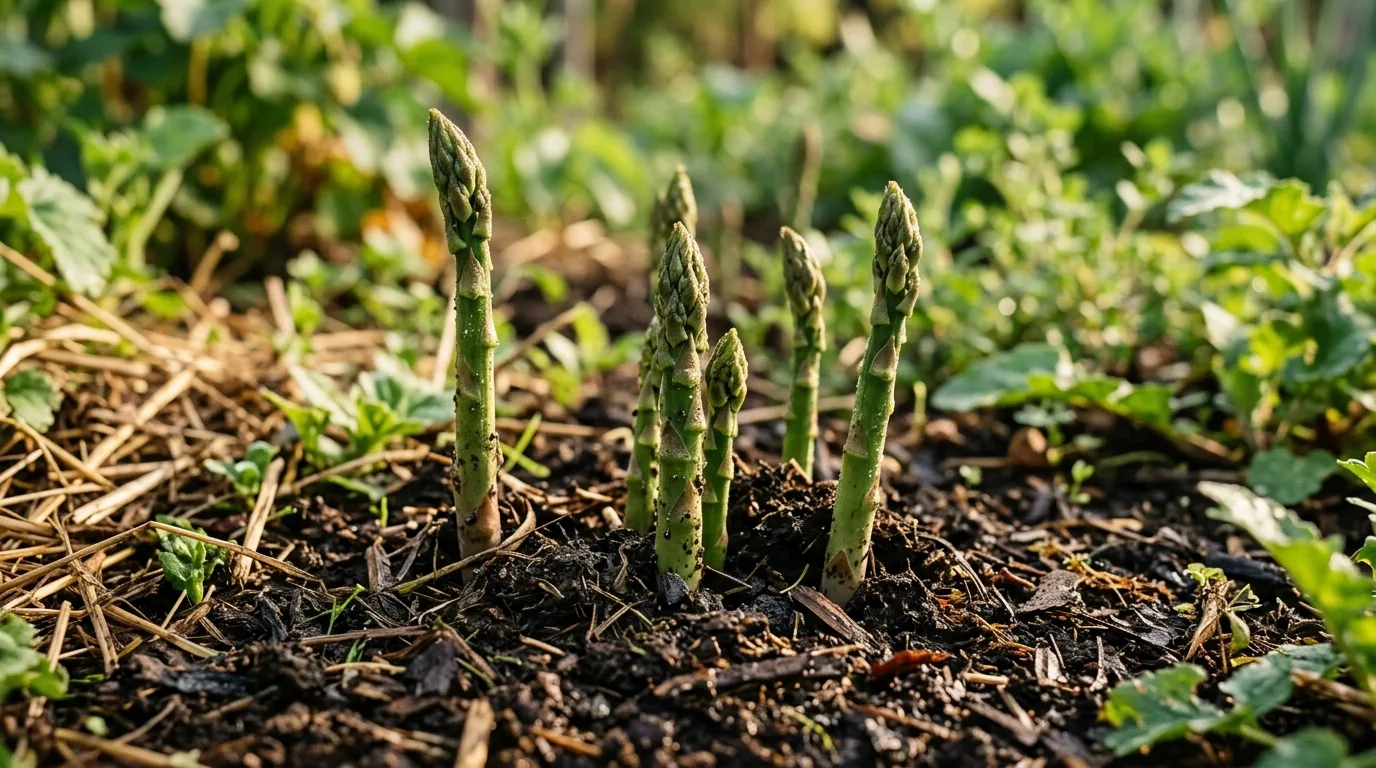
What it looks like as it grows


Asparagus is the ultimate patience crop. You give up a permanent corner of the garden and wait a couple of years before you can pick properly, but in return one well made bed of crowns keeps cropping every spring for 15 to 20 years, sometimes longer. Few vegetables reward a little upfront work so generously.
Spears cut from your own bed and cooked within the hour are sweeter and more tender than anything in a supermarket bundle. This guide walks through starting from crowns, building the trench, the spacing maths, the patience years, and how to keep a bed productive for decades. There is a free bed planner below to work out how many metres of trench you need.
Asparagus bed planner and harvest timeline
Enter how many crowns you plan to plant and pick a spacing. The planner works out the trench length you need, then shows when you can start picking.
| Stage | What to do |
|---|---|
| Year 1 | Do not harvest at all. Let every spear grow into fern so the crown can build strength underground. Just weed, water and mulch. |
| Year 2 | Light pick only, about 2 to 3 weeks. Stop as soon as the spears thin to pencil width, then let the rest grow into fern. |
| Year 3 and on | Full harvest of about 6 to 8 weeks each spring. Stop when spears thin out, and let the summer ferns feed the crowns for next year. |
🌱 Plant profile: Asparagus, with sowing times for your region, companion plants and common pests.
Crowns vs Seed
You can start asparagus from one-year-old crowns or from seed. Most home gardeners should choose crowns. A crown is a dormant root system that a nursery has already grown for a year, which puts you roughly twelve months ahead. You plant it, build the bed, and start light picking in the second year.
Seed is cheaper if you want a big bed, but it adds a full year and germination can be slow and uneven. Soak seed in warm water for a day, sow about 1 cm deep into seed-raising mix at 20 to 25 C, then grow the seedlings on for a season before moving them to their permanent trench the following winter.
Male vs Female Plants and All-Male Hybrids
Asparagus plants are either male or female. Female plants put a lot of energy into red berries and seed, which means fewer and thinner spears, plus seedlings popping up as weeds around the bed. All-male F1 hybrids such as the Jersey types skip the berries and channel that energy into spears instead, so they yield noticeably more and stay tidy. If you can find them as crowns through a specialist nursery, they are worth the search.
Position and Soil
This bed will sit in the same spot for two decades, so choose carefully.
- Full sun. At least 6 to 8 hours of direct sun. Spears grown in shade are thin and weak.
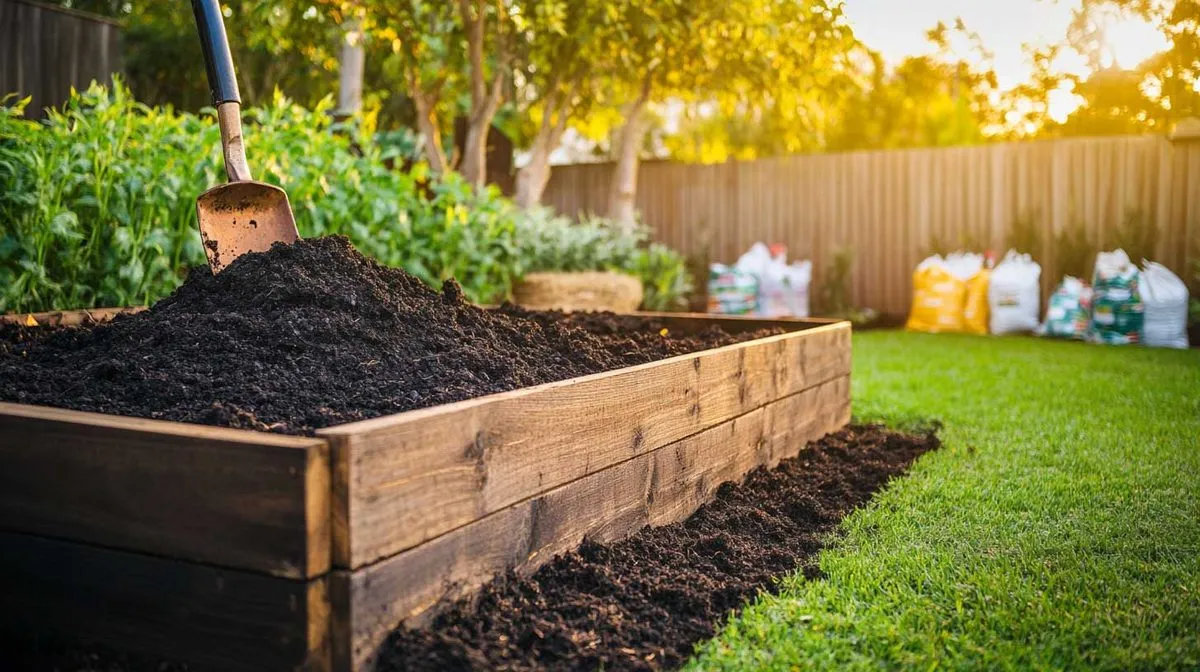
- Free-draining soil. Crowns rot in wet ground. On heavy clay, build a raised bed or mound the row.
- Rich and deep. Dig in plenty of compost or aged manure. Asparagus is a heavy feeder and the base layer fuels years of growth.
- Sheltered from strong wind. The summer ferns reach over a metre and snap in gusty spots, which weakens the crown.
- Out of the rotation. Put it along a fence or at the back of the patch where it will not get in the way of annual crops.
Planting Crowns in a Trench
The trench method lets you backfill gradually as the spears rise, which builds a deep, strong root system.
- Dig a trench about 20 cm deep and 30 cm wide. For more than one row, space rows about 1 m apart.
- Fork the base to break up compaction, then mix in a layer of compost or well-rotted manure.
- Make a low mound of soil along the centre of the trench. This is where each crown sits.
- Set crowns on the mound about 30 to 45 cm apart, with the roots spread out and draping down the sides like an octopus.
- Cover with only 5 to 8 cm of soil to start. Do not fill the trench yet.
- As spears emerge through spring and summer, keep backfilling a little at a time until the trench is level with the surrounding ground by season end.
Best Asparagus Varieties for Australia
| Variety | Type | Notes |
|---|---|---|
| Mary Washington | Open-pollinated heritage | The classic, reliable, widely available. A mix of male and female plants. A solid all-rounder for any home garden. |
| Pacific Purple | Purple-spear variety | Sweet and lower in fibre with striking purple spears. Lovely raw or quickly grilled. The colour fades to green when boiled. |
| Jersey Knight / Jersey Giant | All-male F1 hybrid | High yielding and disease resistant. No energy wasted on seed and no weedy seedlings. Sometimes sold as crowns through specialist nurseries. |
| UC157 | Commercial standard | Heat tolerant and uniform. A good pick for warmer Australian gardens where winters are milder. |
Jersey types are not always easy to find in Australia and may be sold as crowns through specialist seed and nursery suppliers rather than the big retailers.
Watering and Feeding
Asparagus is a hungry plant. Water deeply once or twice a week through the growing season, more while crowns are establishing in the first two years, and ease off in winter dormancy. Consistent spring moisture produces thicker spears, and drip irrigation suits the bed well.
Feed heavily. Spread compost or well-rotted manure over the bed and add a balanced fertiliser in early spring before spears emerge, then top up the mulch. A second feed after harvest finishes helps the ferns build reserves for next year.
The Patience Years
This is the hardest part. In the first year you must let every single spear grow into fern. The ferns feed the crown through summer and that is what builds the energy for future harvests. Cutting too early permanently weakens the plant. Use the planner above as your reminder: nothing in year one, a light pick in year two, full harvest from year three.
Harvesting
Pick spears when they are about 15 to 20 cm tall with tight tips. Once tips start to open and feather, the spear is past its best and turns woody. Snap each spear at the base where tender meets tough, or cut just below the soil with a sharp knife. During the season spears grow fast, so check the bed every couple of days and pick often.
Stop harvesting once spears start coming up thin, around pencil width, even if the calendar says you could keep going. Letting the bed rest into fern for the rest of the season is what keeps it producing for decades.
Summer Ferns and Winter Cutback
Let the ferns grow tall and bushy all summer. They are the engine that feeds the crowns. In late autumn or winter the ferns yellow and die down, and that is the time to cut them back to ground level. Remove the old growth to reduce pests and disease carryover, then mulch and feed ready for the next spring.
Common Problems
Asparagus beetle
Small beetles with cream and dark markings that chew spears and ferns, with grey-green grubs on the foliage. Hand-pick adults and larvae, clear away old ferns in winter to break the cycle, and use neem oil for heavy outbreaks.
Crown rot
A soil fungus that rots the crowns, showing as yellow, stunted ferns and thin, curling spears. There is no cure, so prevention is everything: plant in free-draining soil, avoid overwatering and do not nick the crowns while weeding. Remove affected plants and do not replant asparagus in the same spot.
Slugs and snails
They graze emerging spears in wet weather. Use iron-based pellets or copper tape around the bed and check early in the morning.
Thin spears
Usually a sign the crown is exhausted from over-harvesting, weeds or under-feeding. Stop picking, let everything grow into fern, keep the bed clean and feed well. The bed often recovers within a season or two.
Growing Asparagus Around Australia
Plant crowns in late winter to early spring, roughly July to September in temperate areas, while they are still dormant. Harvest comes in spring, around September to November once the bed is established.
Asparagus wants a cold, dry winter dormancy, so it performs best in cool temperate and Mediterranean climates: Tasmania, Victoria, cooler New South Wales, the South Australian hills and the south of Western Australia. Warm subtropical and tropical gardens struggle because the crowns never go fully dormant, which means lower yields and a shorter bed life. If you garden somewhere warm, choose a heat-tolerant variety like UC157, mulch heavily to keep the roots cool and accept a shorter picking window.
Frequently Asked Questions
How long until you can harvest asparagus?
Do not harvest at all in the first year after planting one-year-old crowns. Take a light pick of about 2 to 3 weeks in the second year, stopping once spears thin to pencil width. From the third year on you can harvest fully for about 6 to 8 weeks each spring, and a healthy bed keeps producing for 15 to 20 years.
Should I grow asparagus from crowns or seed?
Crowns are the easier choice for most gardeners. A one-year-old crown puts you about a year ahead of seed because the first year of growing is already done. Seed is cheaper for a large bed but adds that extra year and germination can be uneven.
Why do all-male asparagus hybrids yield more?
Female plants spend energy producing berries and seed. All-male F1 hybrids such as the Jersey types put that energy into spears instead, so they crop more heavily and do not drop seed that becomes weedy seedlings in the bed.
How far apart do you plant asparagus crowns?
Space crowns about 30 to 45 cm apart along the row, with rows about 1 m apart. Plant them in a trench around 20 cm deep with the roots spread over a low mound, then backfill gradually as the spears grow.
Can you grow asparagus in warm parts of Australia?
Asparagus wants a cold, dry winter dormancy, so it does best in cool temperate and Mediterranean climates such as Tasmania, Victoria, cooler New South Wales, the South Australian hills and southern Western Australia. In warm subtropical and tropical areas it struggles, with lower yields and a shorter bed life.
Do you cut the ferns down?
Let the ferns grow all summer because they feed the crowns for next spring. Cut them back to ground level only in late autumn or winter once they have yellowed and died down, then mulch and feed the bed.
Why are my asparagus spears thin?
Thin, spindly spears usually mean the crown is exhausted, often from harvesting too long, weed competition or poor feeding. Stop picking, let everything grow into fern, keep the bed weed free and feed with compost and a balanced fertiliser to let the crown rebuild.
See also: Asparagus in the Plant Library
Plant profile
The asparagus profile has sowing times for your region, companion plants and common pests.