Downy mildew: identify, prevent, control
Updated June 2026
Worst in cool, wet weather through autumn, winter and spring, March to September.
Downy mildew is a fungal-like disease that strikes in cool wet weather, hitting brassicas, lettuce, onions, grapes and cucurbits. Unlike powdery mildew it grows on leaf undersides and spreads fast in damp conditions, so prevention and airflow are key.
How to identify it
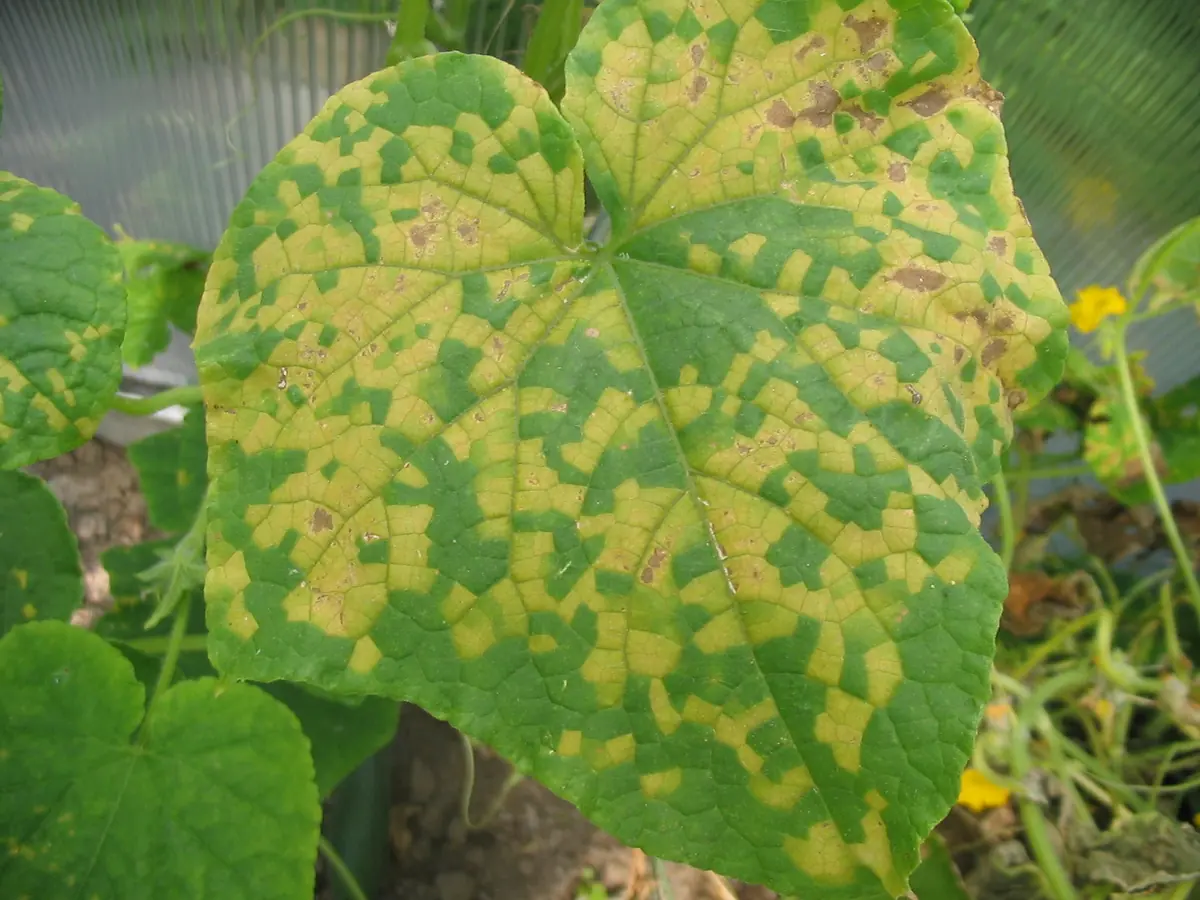
- Yellow or pale angular patches on the upper leaf surface, bounded by the veins
- Greyish or purple fuzzy growth on the underside beneath those patches
- Leaves browning, curling and dying as it spreads
- Worst in cool, wet, still weather
How to prevent it
- Space plants generously and keep beds weed-free for good airflow
- Water at the base in the morning so leaves dry quickly
- Rotate crops so the disease does not build up in the soil
- Grow resistant varieties where they are offered
Organic control, step by step
- Remove and bin affected leaves and badly hit plants promptly
- Improve air movement by thinning and weeding around plants
- Spray a copper-based fungicide as a protectant in damp spells, following label rates
- Repeat copper sprays after rain through high-risk periods
- Avoid overhead watering, which spreads spores between plants
- Clear all infected debris at the end of the crop
Plants it attacks
LettuceKaleRocketSpinachWatercressEndiveBroccoliCabbageBroccoliniZucchiniSquashCucumberOnionSpring OnionTurnipSwedeBasilChivesTarragonThai BasilGrapeAlyssumSnapdragonPumpkinSnow PeasMizunaWombokTatsoiBrussels SproutsMustard GreensDaikonShiso (Perilla)SunflowerQuinoa
Track it in the app. The free Planting Season planner lists the pests and diseases to watch for on every plant in your garden, tuned to your region.