Cabbage moth: identify, prevent, control
Updated June 2026
Active most of the year in warm regions, peaking through autumn and spring brassica seasons, March to May and August to October.
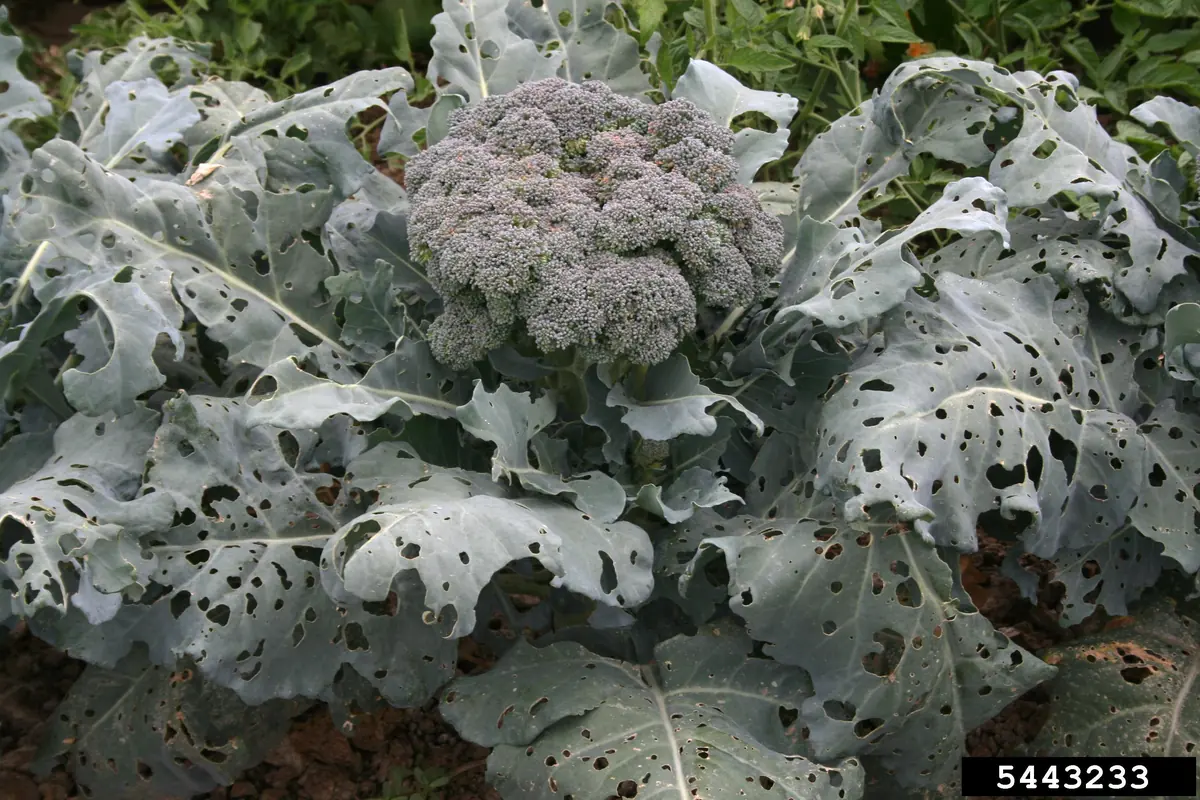
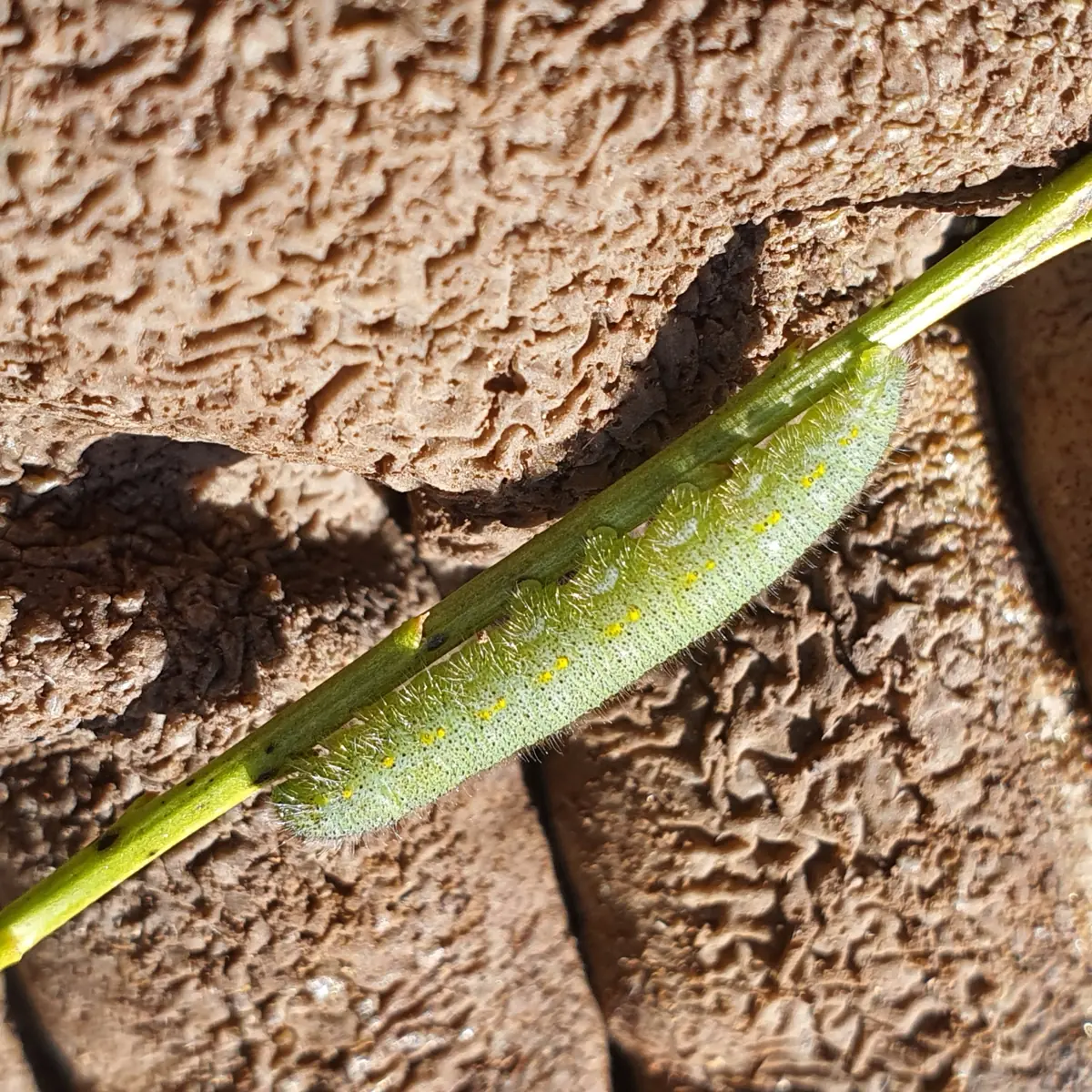
Cabbage white butterflies and cabbage moths lay eggs on brassicas, and their green caterpillars chew leaves to lace. They are the number one pest of cabbages, broccoli, kale and cauliflower in Australian gardens, especially in the cooler months.
How to identify it
- Velvety green caterpillars feeding on leaves, often along the midrib
- Ragged holes and chewed leaf edges on brassicas
- Dark green or black droppings in leaf crevices and the heart of the plant
- White butterflies with black wing spots fluttering low over the bed
- Pale yellow eggs laid singly on leaf undersides
How to prevent it
- Cover the bed with fine exclusion netting from planting, the most reliable modern defence
- Check leaf undersides weekly and squash eggs and small caterpillars
- Hang white decoy butterflies, since the adults are territorial and avoid occupied beds
- Interplant with strong-smelling herbs to make brassicas harder to find
Organic control, step by step
- Hand-pick caterpillars, checking deep in the heart of the plant
- Spray Dipel or another Bacillus thuringiensis product, which only affects caterpillars and is safe for bees and people
- Mix Dipel fresh, spray late afternoon and cover leaf undersides, repeating every 7 to 10 days
- Reapply Dipel after rain, as it washes off and breaks down in sunlight
- Use eco-neem as an alternative to deter feeding and egg-laying
- Encourage parasitic wasps and predatory bugs by keeping flowering plants nearby
Plants it attacks
KaleBok ChoyBroccoliCabbageCauliflowerBroccoliniTurnipSwedeGai LanWombokTatsoiKohlrabiBrussels SproutsMustard GreensKomatsuna
Track it in the app. The free Planting Season planner lists the pests and diseases to watch for on every plant in your garden, tuned to your region.