Anthracnose: identify, prevent, control
Updated June 2026
Worst in warm, humid, wet summers, December to March, especially in subtropical and tropical regions.
Anthracnose is a fungal disease that causes dark sunken spots on leaves, stems and fruit, common on beans, cucurbits, tomatoes and mangoes. It spreads in warm wet weather and can rot fruit both on the plant and after picking, so humid summers are the danger time.
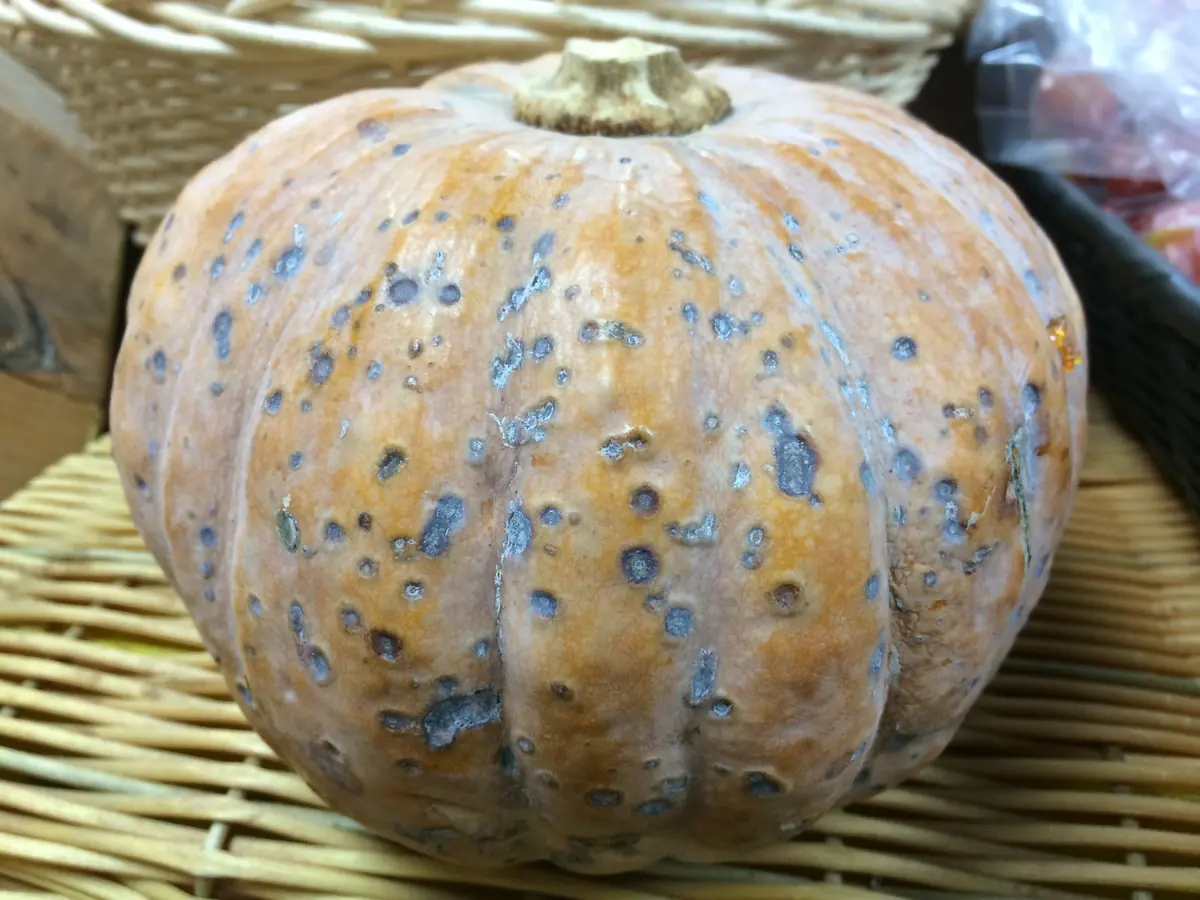
How to identify it
- Dark, sunken, circular spots on fruit, often with pinkish spore masses in the centre
- Brown or black spots and blotches on leaves and stems
- Sunken lesions that rot fruit, sometimes only after harvest
- Worst in warm, wet, humid conditions
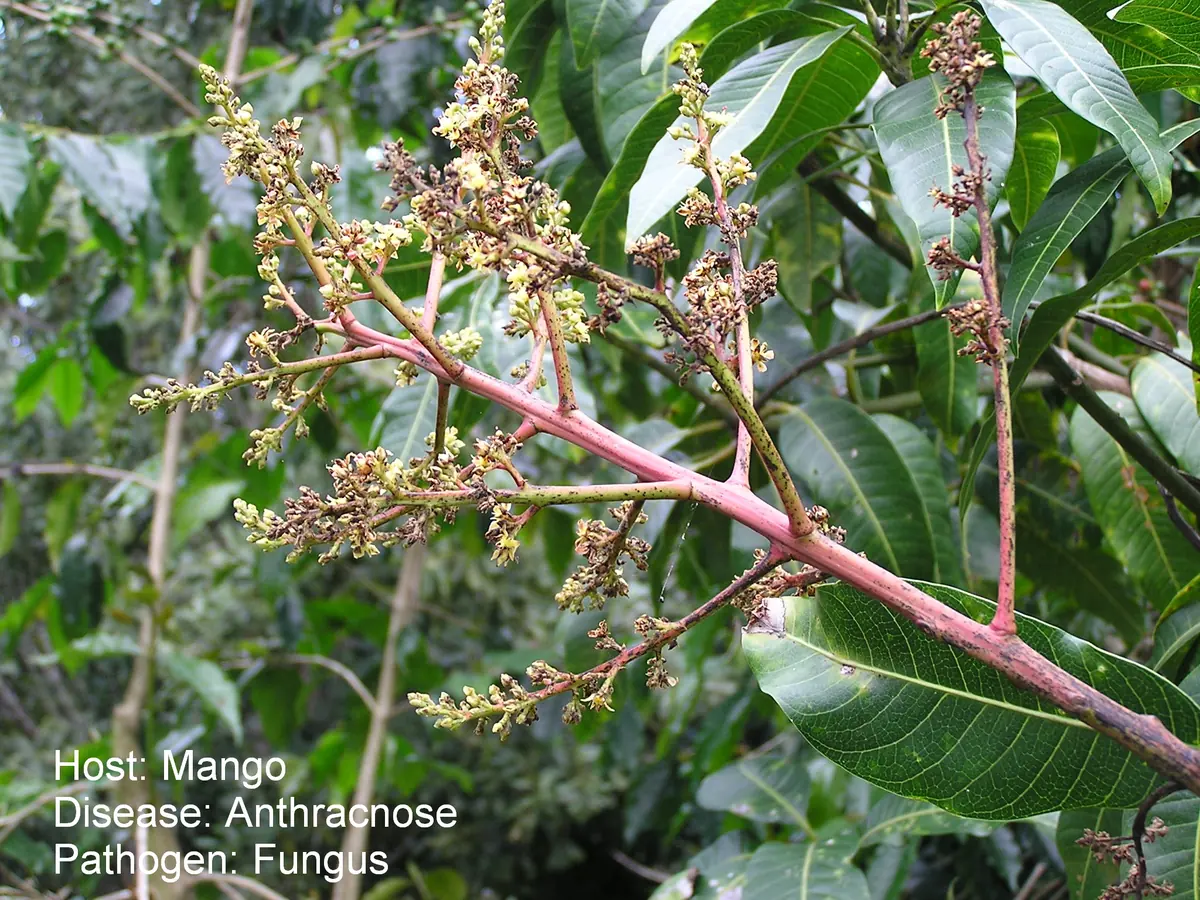
How to prevent it
- Use clean, certified seed, since the fungus is often seed-borne in beans
- Rotate crops and avoid replanting susceptible crops in the same bed
- Water at the base and keep foliage and fruit dry
- Space plants and stake them for good airflow
Organic control, step by step
- Remove and bin affected fruit, leaves and badly hit plants
- Avoid working among wet plants, which spreads the spores
- Spray a copper-based fungicide as a protectant before and during humid spells, following label rates
- Repeat copper sprays after rain through the risk period
- Harvest fruit promptly and handle it gently to limit post-harvest rot
- Clear all infected debris and do not compost it
Plants it attacks
PawpawOliveBlackberryChilliDragon FruitAvocadoGuavaWatermelonSnake BeansMangoLycheeStar FruitCustard AppleLongan
Track it in the app. The free Planting Season planner lists the pests and diseases to watch for on every plant in your garden, tuned to your region.