
🥬 Kohlrabi, Growing Guide for SEQ
Everything you need to grow Kohlrabi in South East Queensland's subtropical climate.
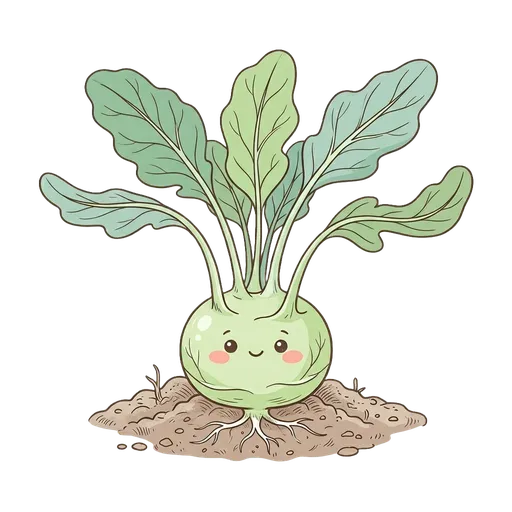
🌱 Plant profile: Kohlrabi, with sowing times for your region, companion plants and common pests.
When to Sow in SEQ
Harvest when bulb is golf-ball to tennis-ball sized. Purple or green varieties, same flavour, milder than turnip.
Growing Requirements
Good Companions (Friends)
Keep Apart (Enemies)
Kitchen Uses
- Grated raw into slaws
- Sliced thinly for crudités and dipping
- Roasted with butter and thyme
- Peeled and eaten raw like an apple
Health Benefits
- Good source of vitamin C and fibre
- Contains minerals and antioxidants
- Low calorie, nutrient-dense vegetable
- Supports digestive and immune health
Pests & Diseases in SEQ
Common Pests
- Cabbage moth
- Aphids
Common Diseases
- Clubroot
Storage
Fridge without tops, up to 2 weeks
Value
Saves ~$3-5/week, unusual vegetable rarely found fresh in Australian supermarkets
Track Kohlrabi in Your Garden
Drag Kohlrabi into your garden bed, get weekly reminders for watering, feeding, and harvesting.
Add Kohlrabi to My Garden →Frequently Asked Questions
When should I plant Kohlrabi in Brisbane?
In South East Queensland, Kohlrabi can be sown in March, April, May, June, July. Harvest when bulb is golf-ball to tennis-ball sized. Purple or green varieties, same flavour, milder than turnip.
What are good companion plants for Kohlrabi?
Good companions for Kohlrabi in SEQ include Beetroot, Onion. Avoid planting near Tomato, Strawberry.
Plant profile
The kohlrabi profile has sowing times for your region, companion plants and common pests.