How to Grow Jujube in Australia
Updated September 2026
A tough, drought hardy tree for fruit that is crisp fresh and sweet dried
Jujube, Ziziphus jujuba, also called Chinese date or red date, is a deciduous tree that has been grown in China for thousands of years. Fresh fruit is crisp and sweet like a small apple; left to wrinkle and dry, it becomes the chewy red date used in soups, teas and sweets.
The tree is remarkably tough. It handles heat, drought and poor or limy soil, needs almost no spraying, and crops reliably once established. This guide covers where it grows, the varieties, planting and care, and when to pick for fresh or dried fruit.
When to Plant in Your Region
Jujubes are planted as dormant grafted trees in winter. Plant from June to August in South East Queensland, Northern Rivers NSW, Sydney & Coastal NSW, Melbourne & Victoria, Adelaide & SA, Perth & WA and Canberra & ACT. It is not suited to Tasmania, North Queensland and Darwin & Top End. Choose your region below for the local calendar and any regional note.
Climate and Where It Grows in Australia
Jujube needs a long, hot summer to ripen and sweeten its fruit, and some winter cold.
The site lists jujube as suited to South East Queensland, the Northern Rivers, Sydney, Melbourne, Adelaide, Perth and Canberra, all planted in winter. Hot, dry summers suit it best, so Adelaide, Perth and the warm inland are ideal. In humid districts it still crops, though heavy rain as the fruit ripens can cause splitting. Tasmania is not reliable, because summers are rarely long and hot enough. North Queensland and the Top End are not reliable either: the Chinese jujube needs some winter chill and a dry summer.
- South East Queensland: plant from June to August.
- Northern Rivers NSW: plant from June to August.
- Sydney & Coastal NSW: plant from June to August.
- Melbourne & Victoria: plant from June to August.
- Adelaide & SA: plant from June to August.
- Perth & WA: plant from June to August.
- Tasmania: not suited. Not reliable. Jujube needs a long hot summer to ripen and sweeten its fruit, which Tasmania rarely delivers.
- Canberra & ACT: plant from June to August.
- North Queensland: not suited. Not reliable. Chinese jujube needs some winter chill and a dry summer to fruit. Never plant Indian jujube (Chinee apple), a restricted invasive plant in Queensland.
- Darwin & Top End: not suited. Not reliable. Chinese jujube needs some winter chill and a dry summer. Indian jujube (Chinee apple) is a declared weed in the NT, so never plant it.
Choosing a Variety
Li
Large, round fruit that is excellent eaten fresh at the crisp stage. One of the most widely planted jujubes.
Lang
Pear shaped fruit that is best left to dry on the tree or dried after picking. Often planted with Li.
Chico
A productive variety with sweet fruit, listed in the plant library as a popular choice.
Planting
Plant a grafted tree in winter, in full sun. Jujube is not fussy about soil as long as it drains, and it copes with a pH from about 6 to 8.
- Space. Allow about 5 m between trees. A jujube grows to 4 to 8 m.
- Thorns. Most jujubes carry sharp paired spines, so plant away from paths and play areas.
- Planting. Plant at the depth it sat in the pot, water in and mulch.
Care
Watering
Water young trees regularly through their first two summers. Established trees are very drought tolerant, but a deep watering in a dry spell while flowers set and fruit sizes gives a better crop.
Feeding
Jujube needs very little. Spread compost in late winter. Heavy feeding gives leafy growth rather than fruit.
Pruning
Prune lightly in winter to remove dead and crossing branches and keep the tree to a pickable height. Grafted trees send up suckers from the rootstock, sometimes metres from the trunk. Pull or cut these off at their base as they appear, because they will not carry the variety's fruit.
Pollination
Jujube flowers are small and attract bees and flies. Many varieties set some fruit on their own but crop better with a second variety nearby, which is why Li and Lang are often planted together.
Pests and Diseases
Jujube is one of the least troubled fruit trees you can grow. The plant library lists few diseases.
- Fruit fly. In fruit fly areas, ripening fruit can be stung. Use traps, net the tree, and collect fallen fruit. Our Fruit Fly guide has the details.
- Birds. They take ripe fruit. Netting a small tree works well.
Heavy rain as the fruit ripens can make it split. There is little to do about the weather, but even watering through summer helps.
Harvest and Storage
Jujubes ripen from late summer into autumn. The fruit changes colour in stages, and when you pick depends on how you want to eat it.
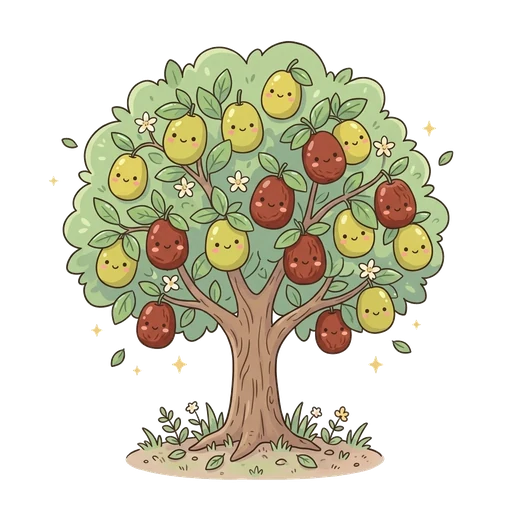
- Crisp stage. When the skin is yellow green with reddish brown patches, the fruit is crisp, sweet and apple like. Pick for eating fresh.
- Red stage. Fully red brown fruit is sweeter and starts to soften and wrinkle. Pick for drying.
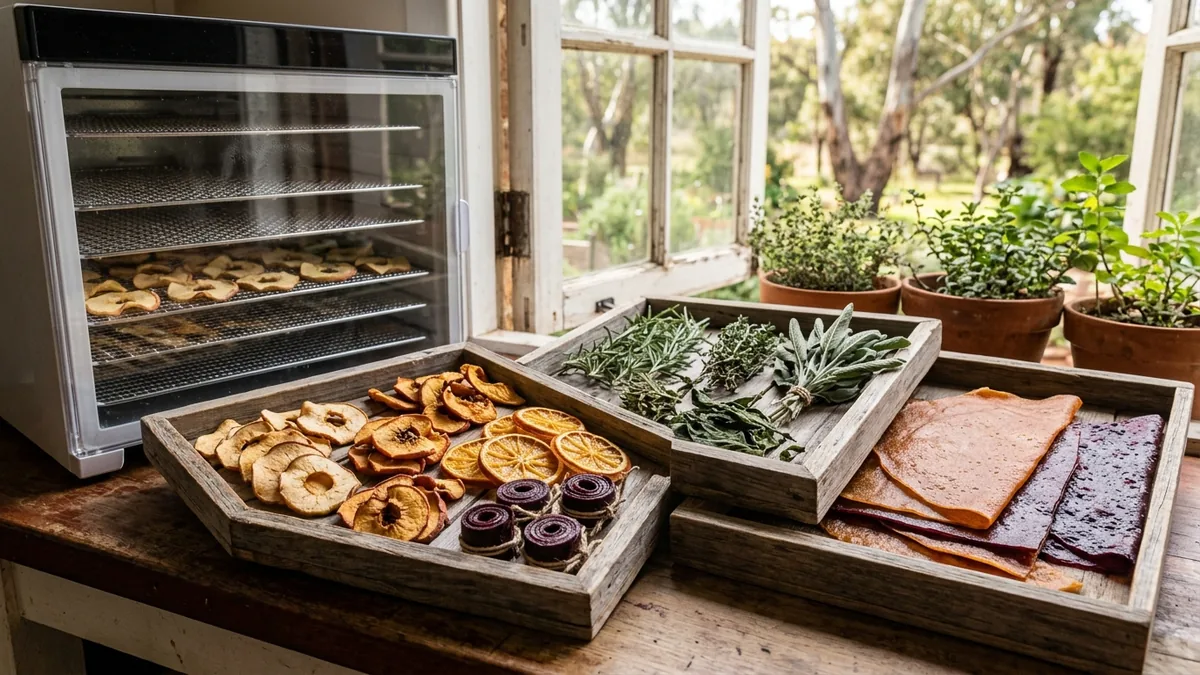
Fresh jujubes keep for about a week in the fridge. To dry them, leave fully red fruit somewhere warm and airy until wrinkled and chewy, or use a dehydrator. Dried jujubes store for months in an airtight jar. See our Dehydrating guide.
Track Your Jujube Tree
Add jujubes to your garden in the Planting Season app and get reminders for planting, care and harvest, tuned to your region.
Open the App →Frequently Asked Questions
When should I plant jujubes in Australia?
It depends on your region. Plant from June to August in South East Queensland, Northern Rivers NSW, Sydney & Coastal NSW, Melbourne & Victoria, Adelaide & SA, Perth & WA and Canberra & ACT. It is not suited to Tasmania, North Queensland and Darwin & Top End. Choose your region in the calendar on this page for the local window.
Is jujube a weed in Australia?
Chinese jujube, the fruit tree in this guide, is not a declared weed. Indian jujube, also called Chinee apple, is a restricted invasive plant in Queensland and a declared weed in the Northern Territory, so only buy a named, grafted Chinese jujube.
How do I dry jujubes?
Leave the fruit on the tree until fully red brown and starting to wrinkle, then pick and spread it somewhere warm and airy, or use a dehydrator, until chewy. Store dried jujubes in an airtight jar.
Can I grow jujube in Tasmania?
Not reliably. Jujube needs a long, hot summer to ripen and sweeten its fruit, which Tasmania rarely delivers. The site lists it as not reliable there.
See also: Jujube in the Plant Library