Fusarium wilt: identify, prevent, control
Updated June 2026
Worst in warm soils through summer, December to March, when wilting symptoms show fastest.
Fusarium wilt is a soil fungus that blocks a plant's water-carrying vessels, causing one-sided wilting and yellowing that ends in collapse. It hits tomatoes, beans, peas and cucurbits, survives years in the soil and is worse in warm conditions, so resistant varieties and rotation are the main defences.
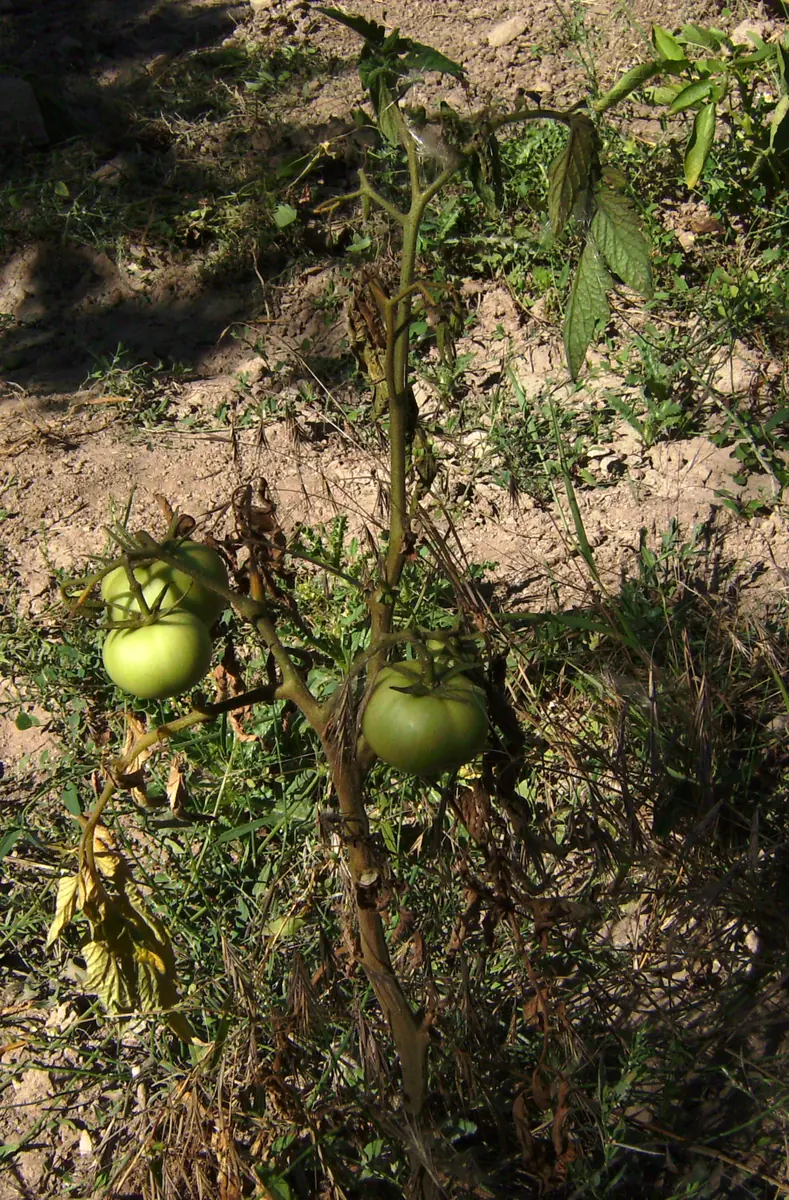
How to identify it
- Yellowing and wilting that often starts on one side or one branch
- Lower leaves yellowing first, then the wilt working upward
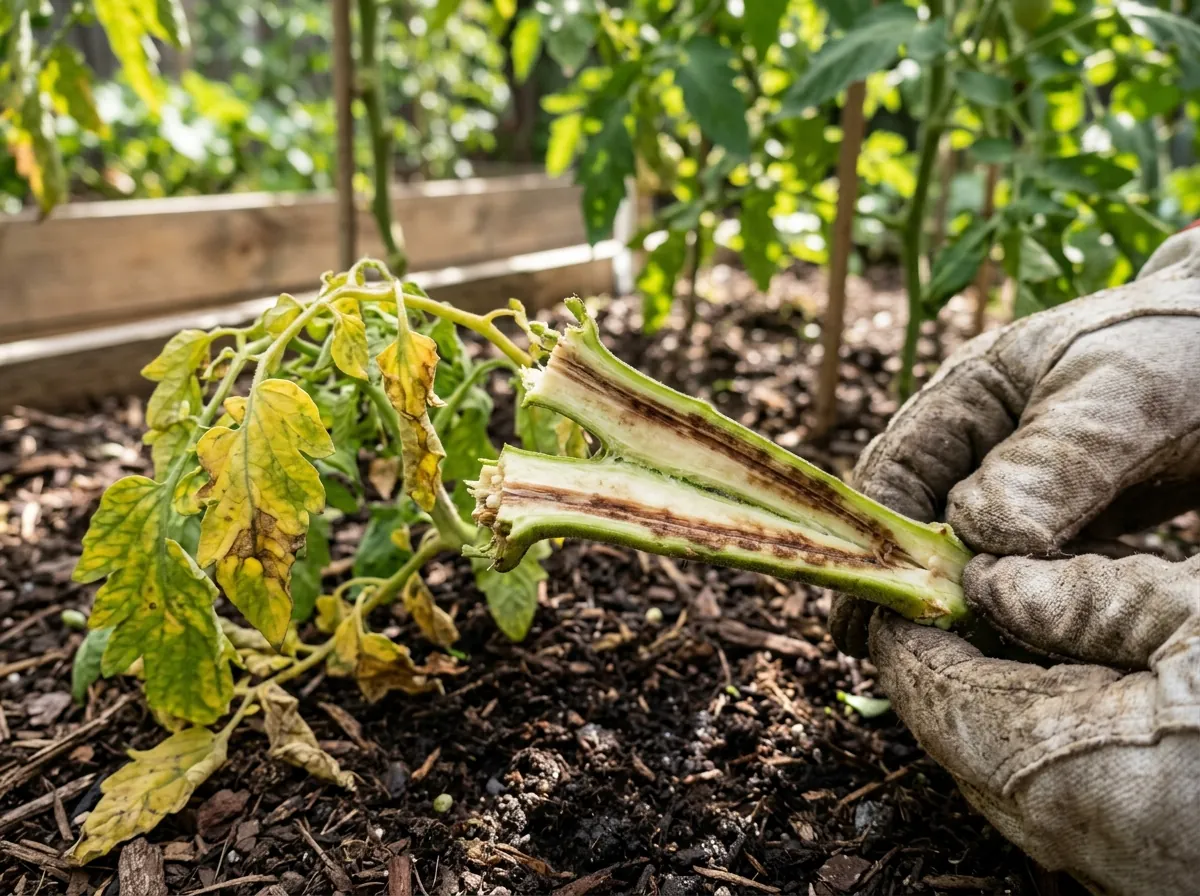
- Brown staining in the stem when you cut it lengthwise near the base
- Plants collapsing in warm weather despite moist soil
How to prevent it
- Grow resistant varieties, often marked with an F on tomato labels
- Rotate crops on a long cycle and avoid replanting susceptible families
- Build soil health with compost to support competing microbes
- Use clean seedlings and avoid moving infected soil between beds
Organic control, step by step
- Remove and bin affected plants, including as much root as you can lift
- Do not compost infected material, since the fungus survives
- Solarise infested beds over summer with clear plastic for 6 weeks
- Drench beds with a Trichoderma soil inoculant to build competing microbes
- Switch to resistant varieties and rest the bed from susceptible crops
- Clean tools and boots to avoid spreading the soil-borne fungus
Plants it attacks
Track it in the app. The free Planting Season planner lists the pests and diseases to watch for on every plant in your garden, tuned to your region.