Cutworm: identify, prevent, control
Updated June 2026
Worst on newly planted seedlings in spring and autumn, March to May and September to November.
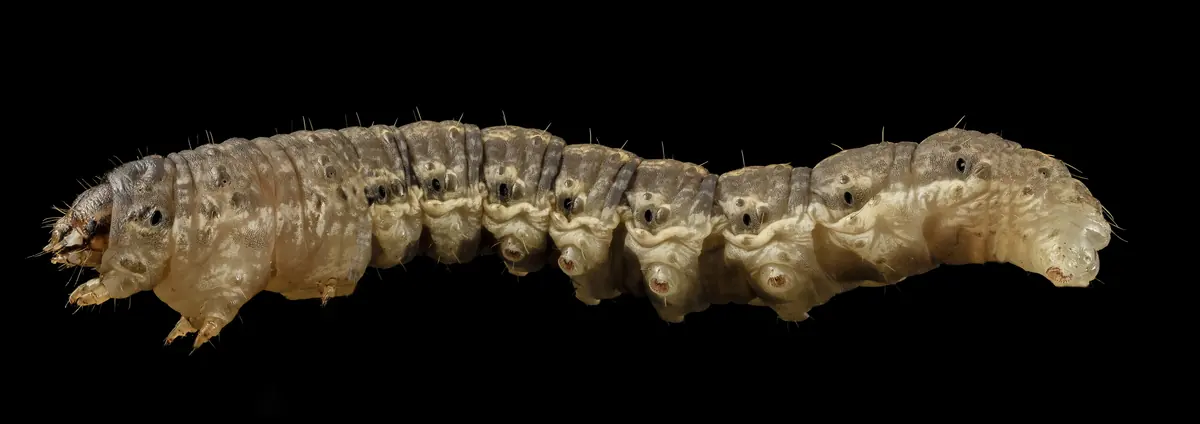
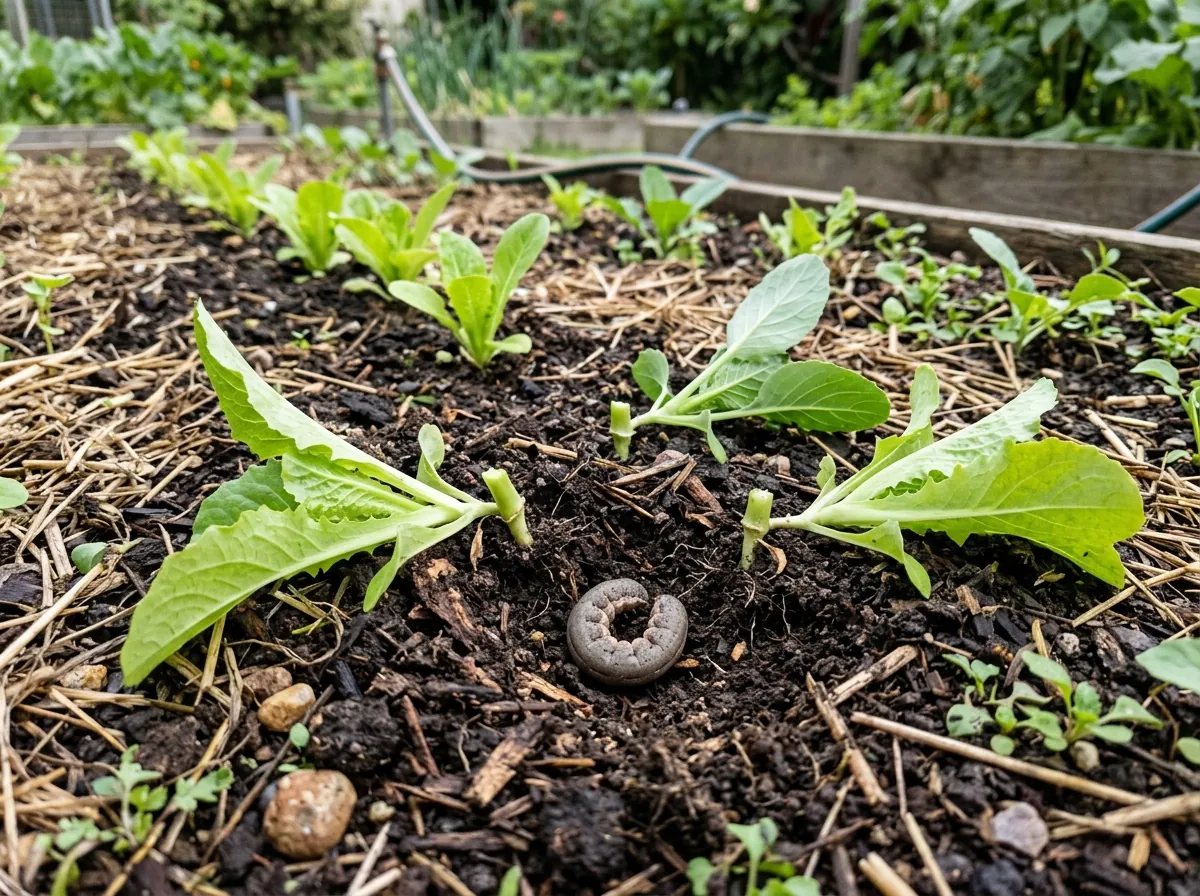
Cutworms are fat moth caterpillars that hide in the soil by day and feed at night, chewing through seedling stems at ground level. A row of healthy seedlings can be felled overnight, with the toppled plants often left uneaten beside the stump.
How to identify it
- Seedlings cut off cleanly at or just below soil level
- Toppled seedlings lying beside their stumps in the morning
- Fat grey-brown caterpillars curled into a C just under the surface
- Damage appearing suddenly overnight on newly planted beds
How to prevent it
- Fit collars of cardboard or a cut bottle around each seedling stem, pushed 2cm into the soil
- Clear weeds and old crop debris before planting, since moths lay eggs there
- Cultivate beds a couple of weeks before planting to expose larvae to birds
- Keep beds weed-free to remove the food that supports the caterpillars
Organic control, step by step
- Search the top few centimetres of soil around damaged plants at dusk and remove the curled caterpillars
- Hand-pick after dark with a torch, when cutworms come up to feed
- Protect each transplant with a stem collar as a physical barrier
- Apply Dipel to the soil surface and around stems in the evening
- Encourage birds by lightly cultivating beds before planting
Track it in the app. The free Planting Season planner lists the pests and diseases to watch for on every plant in your garden, tuned to your region.