Bean fly: identify, prevent, control
Updated June 2026
Worst in warm to hot weather in subtropical and tropical regions, peaking spring to autumn, September to April.
Bean fly is a serious pest of beans in warmer parts of Australia, especially the subtropics and tropics. The larvae tunnel inside stems near the base, so plants wilt, redden and collapse just as they should be taking off.
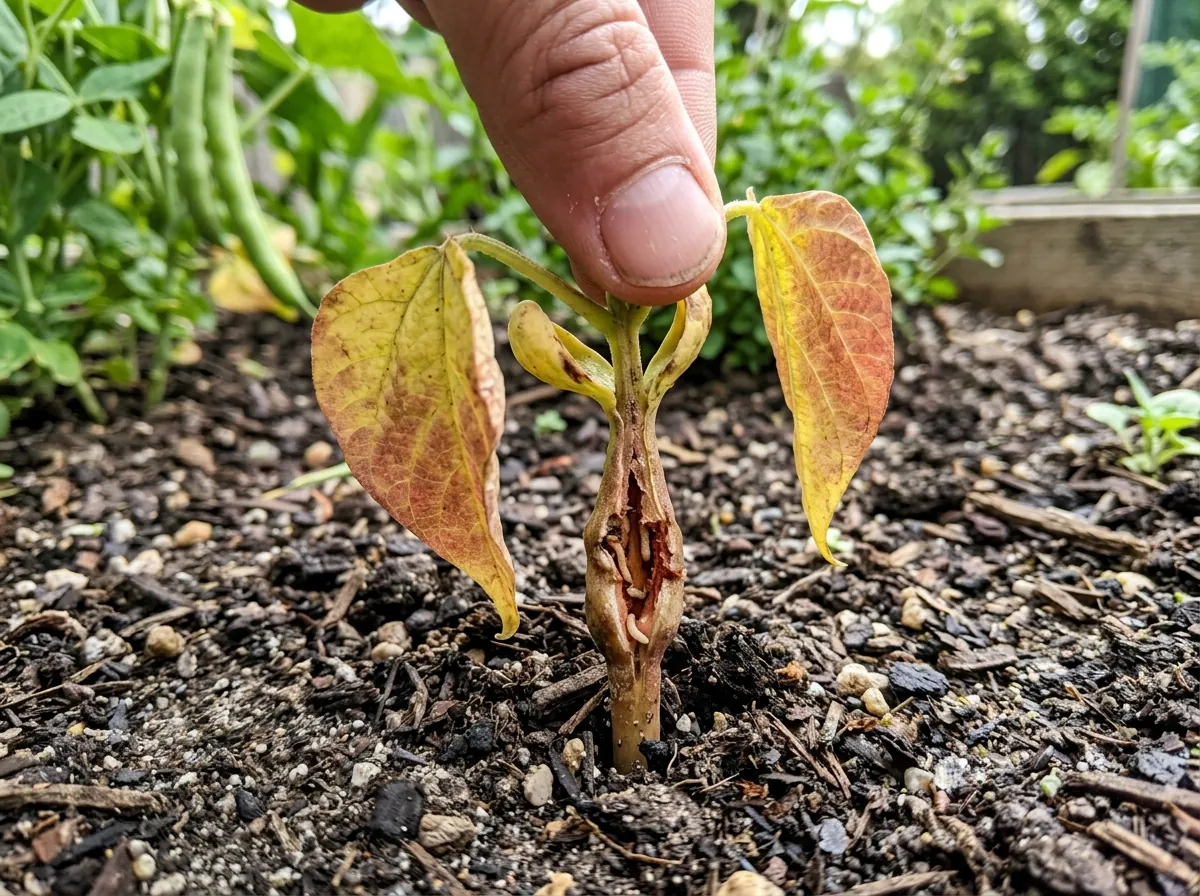
How to identify it
- Yellowing, reddening and wilting of young bean plants
- Swollen, cracked stems near soil level
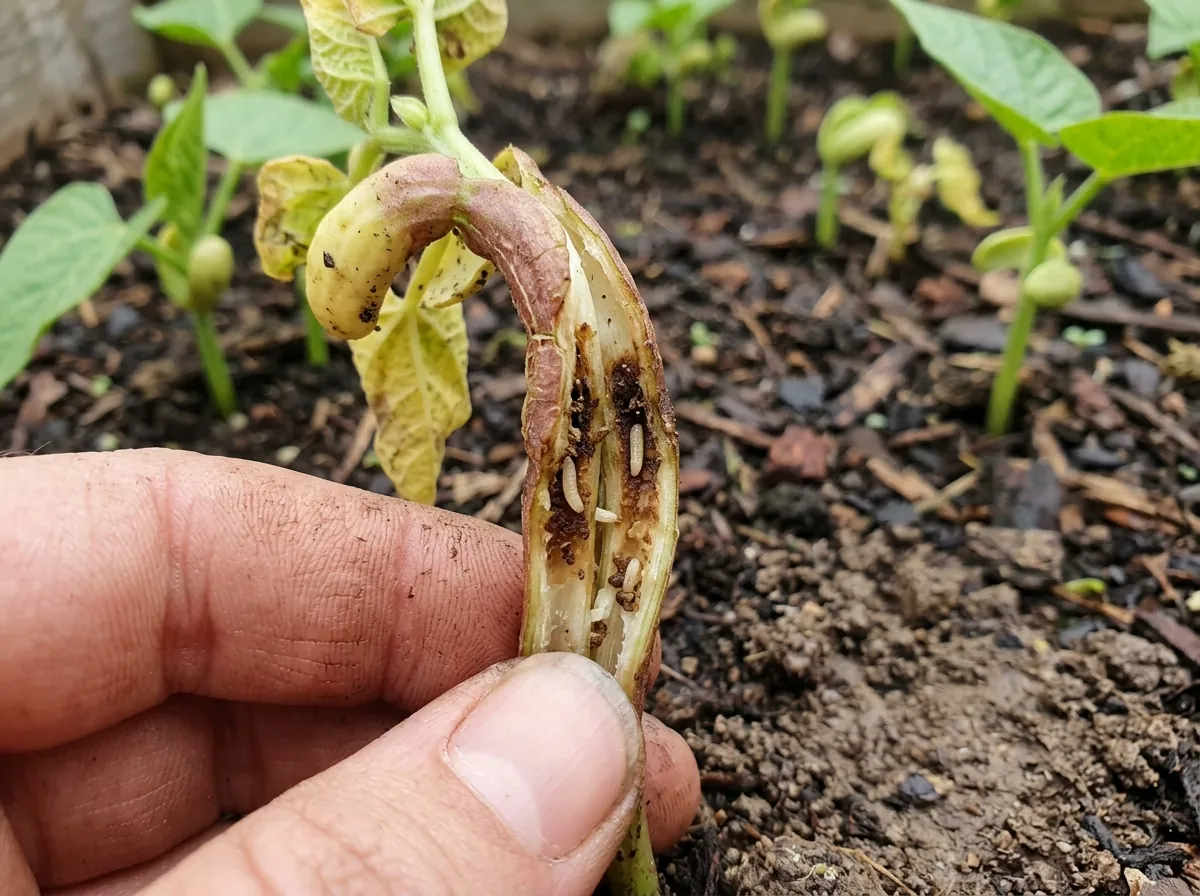
- Brown tunnels and tiny maggots inside the lower stem when split open
- Stunted seedlings that collapse soon after emergence
How to prevent it
- Sow beans in the cooler shoulder seasons to dodge peak bean fly numbers in the tropics
- Hill up soil around the stem base so plants root above the damage
- Keep seedlings growing fast with good water and a little compost
- Remove and bin affected plants promptly to break the cycle
Organic control, step by step
- Spray eco-oil or eco-neem onto stems and lower leaves as soon as seedlings emerge
- Repeat sprays weekly through the vulnerable seedling stage
- Mound moist soil or compost around stems to encourage rescue roots above the tunnels
- Pull and bin badly affected plants before larvae mature
- Choose more vigorous, locally suited bean varieties in high-risk areas
Plants it attacks
Track it in the app. The free Planting Season planner lists the pests and diseases to watch for on every plant in your garden, tuned to your region.