
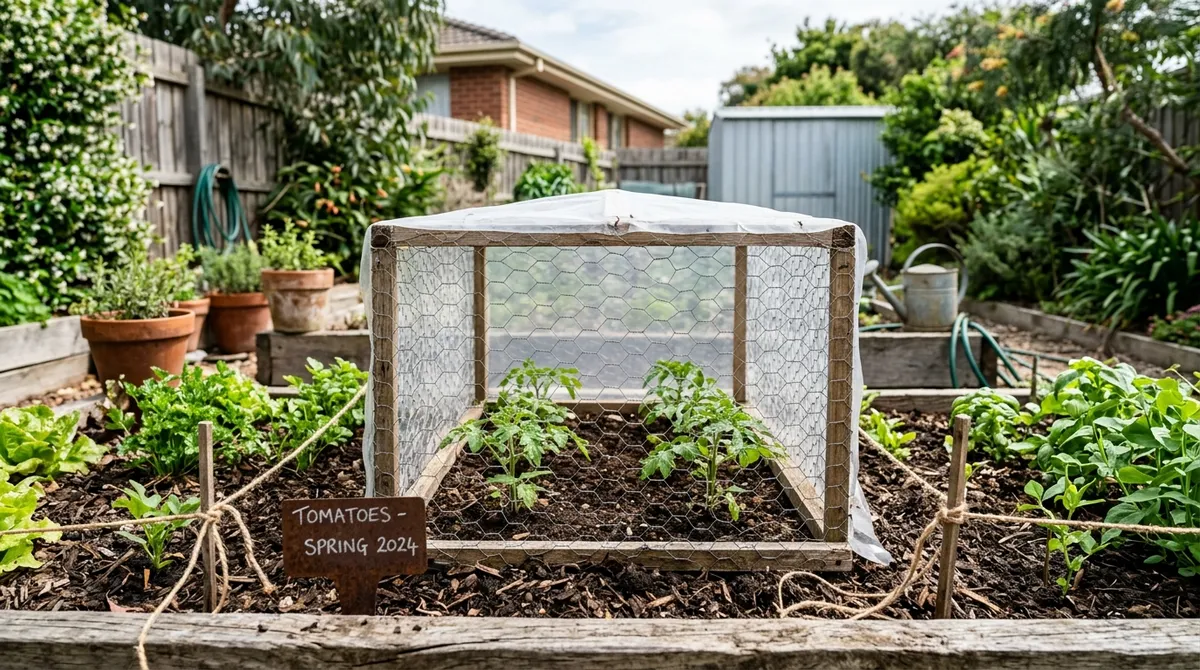
When to Plant Tomatoes in Melbourne
Timing is everything in cool temperate Victoria
Melbourne's cool temperate climate makes tomato timing very different from what works in Brisbane or Sydney. The growing season is shorter, frost stays later into spring, and autumn cool arrives earlier. Get the timing right and you'll harvest heavy crops of flavour-packed fruit through summer and into early autumn. Get it wrong and you'll watch stunted seedlings sit in cold soil, producing nothing until it's too late.
The Planting Window: Late October to Early January
The main tomato planting window in Melbourne runs from late October through to early January. Within that window, timing shifts depending on where you live.
Inner suburbs (Richmond, Northcote, Brunswick, St Kilda): The urban heat island effect gives you a head start. Last frost is typically early to mid-October. You can plant hardened-off seedlings outdoors from late October, sometimes even mid-October if the forecast is clear.
Eastern suburbs and hills (Ringwood, Croydon, Lilydale, Dandenong Ranges): Higher elevation means colder nights and later frosts. Wait until early to mid-November for transplanting. The Dandenongs can frost into late October, so patience pays off here.
Western suburbs (Werribee, Melton, Sunbury): Exposed plains with cold winds off the bay and minimal tree cover. Plant from mid-November once soil temperatures consistently reach 16 degrees Celsius.
Mornington Peninsula: Maritime influence moderates extremes slightly, but coastal winds are harsh. Plant from early November in sheltered spots, mid-November in exposed positions.
Yarra Valley and outer east: Frost hollows in valley floors make these the last areas to plant. Cold air pools in low-lying paddocks and can frost into early November. Wait until mid to late November for safe transplanting.
Starting Seeds Indoors
Start tomato seeds indoors from mid-September in a warm, bright position. A north-facing windowsill or a heated propagation mat works well. Seeds germinate in 7 to 14 days at soil temperatures of 20 to 25 degrees. Melbourne homes are often cool enough in September that seeds started on a cold windowsill will struggle, so warmth is the priority.
Grow seedlings under bright light for 6 to 8 weeks before hardening off. Move them outdoors for a few hours each day over a week, gradually increasing exposure. This toughens the stems and acclimatises the leaves to UV and wind before transplanting.
If you prefer buying seedlings, nurseries across Melbourne stock tomato seedlings from September onwards. Resist the temptation to buy early. A large, leggy seedling planted into cold October soil will perform worse than a small, stocky seedling planted into warm November soil.
Best Tomato Varieties for Melbourne
Melbourne's moderate summer heat (compared to inland Australia) means you can grow varieties that struggle in extreme heat. The cool nights also concentrate sugars in fruit, giving you better flavour than warmer climates often produce.
- Grosse Lisse: The Australian classic. Reliable, heavy cropping, and perfectly suited to Melbourne's conditions. Large red fruit for slicing and salads.
- Rouge de Marmande: A French heritage variety that loves cool temperate climates. Ribbed, meaty fruit ideal for cooking and sauces. Produces well into late autumn.
- Tommy Toe: A prolific cherry tomato that starts producing early and keeps going. Sweet, crack-resistant fruit in huge numbers.
- Black Krim: A heritage variety from Crimea that thrives in Melbourne's climate. Dark, smoky-flavoured fruit with complex sweetness that develops best in moderate heat.
- Mortgage Lifter: Large pink heritage fruit with excellent flavour. A strong grower that handles Melbourne's variable weather.
- Brandywine: The gold standard for flavour in cool temperate gardens. Needs a long season, so plant early and give it the warmest spot in your garden.
Melbourne is one of the best places in Australia to grow heritage tomato varieties. The moderate temperatures mean less cracking, less sunscald, and more developed flavour compared to the intense heat of inland or northern climates.
Soil Preparation and Planting
Melbourne's basalt clay soils need preparation before planting. Dig in plenty of compost and aged manure at least two weeks before transplanting. Tomatoes need free-draining soil with plenty of organic matter. If your clay is heavy (common across the western suburbs, parts of Northcote and Preston, and most of the Keilor plains), consider raised beds filled with a compost and soil blend.
Plant seedlings deep, burying the stem up to the first set of true leaves. Tomatoes produce roots along buried stems, giving the plant a stronger root system. Water in well with seaweed solution to reduce transplant shock.
Stake or cage your plants at planting time. Melbourne gets gusty northerly winds in summer that snap unsupported plants. Indeterminate varieties need stakes at least 1.8 metres tall. Determinate varieties can manage with shorter cages.
Managing Melbourne's Variable Weather
Melbourne's "four seasons in one day" reputation matters for tomato growing. Hot northerly winds can dehydrate plants rapidly, then a cool change drops temperatures 15 degrees in an hour. Mulch heavily around plants (straw or sugar cane mulch, 10 centimetres deep) to buffer soil temperature and moisture swings.
Water deeply and consistently. Irregular watering causes blossom end rot and fruit splitting. Drip irrigation on a timer is the most reliable method. Water early in the morning to keep foliage dry and reduce fungal disease risk.
Late summer heatwaves (days above 38 degrees) stop fruit set temporarily. Flowers drop and existing green fruit may develop yellow patches from sunscald. Shade cloth (30 to 50 percent) draped over plants during extreme heat protects both fruit and foliage.
Extending the Season
Melbourne tomato season typically runs December to April. You can extend it at both ends. Start seeds indoors in September for early crops. Use frost cloth or cloches in late March and April to protect plants from early autumn frosts in outer suburbs.
Green fruit still on the vine by late March can be picked and ripened indoors. Place tomatoes on a sunny windowsill or in a paper bag with a ripe banana. They'll ripen over 1 to 2 weeks. This works well for the last flush of Brandywine or Mortgage Lifter fruit that runs out of summer warmth.
Track Your Tomato Planting Window
Get reminders based on Melbourne's frost dates so you plant at the right time every year.
Open the Planting Season AppFrequently Asked Questions
When should I plant tomatoes in Melbourne?
Plant tomato seedlings outdoors in Melbourne from late October (inner suburbs) to mid-November (outer eastern and Yarra Valley areas). The last frost in outer Melbourne suburbs is typically mid-October. You can start seeds indoors from mid-September to get a head start.
Can I plant tomatoes in September in Melbourne?
September is too early for outdoor planting in Melbourne. Frost risk remains high through September and into early October across most suburbs. You can start seeds indoors in a warm, sunny spot or heated propagator from mid-September, then transplant outdoors after the last frost in late October or November.
What are the best tomato varieties for Melbourne?
Grosse Lisse is the classic Melbourne tomato, reliable and heavy cropping. Rouge de Marmande produces meaty, ribbed fruit ideal for cooking. Tommy Toe is a prolific cherry variety. Black Krim and Brandywine both thrive in cool temperate climates with flavour that improves in moderate heat.
Why are my Melbourne tomatoes not ripening?
Melbourne's cool nights in autumn slow ripening significantly. If fruit is still green by late March, pick it and ripen indoors on a sunny windowsill or in a paper bag with a banana. Planting early-maturing varieties like Tommy Toe or Early Girl gives you ripe fruit before the cool weather arrives.
Free Monthly Planting Calendar
Get a personalised email each month with what to plant, seasonal tips, and harvest reminders for your region.
We send one email per month. Unsubscribe any time.