How to Grow Medlar in Australia
Updated September 2026
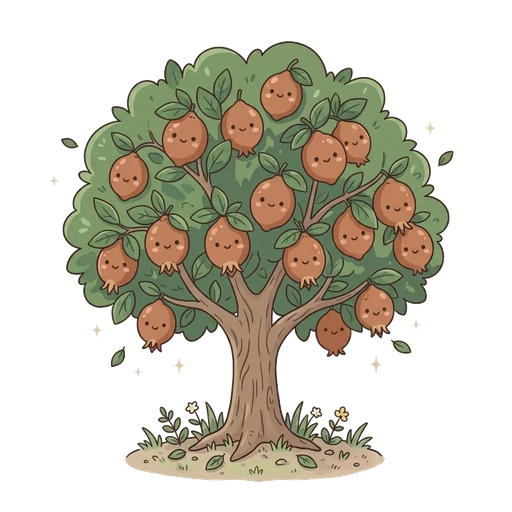
A pretty, hardy heritage tree whose fruit is eaten after softening
The medlar, Mespilus germanica, is an old world fruit tree that was a common sight in European gardens for centuries and is now a rarity. It is a small, spreading tree of 3 to 5 m with large single white flowers in late spring and rich autumn colour, worth growing for its looks alone.
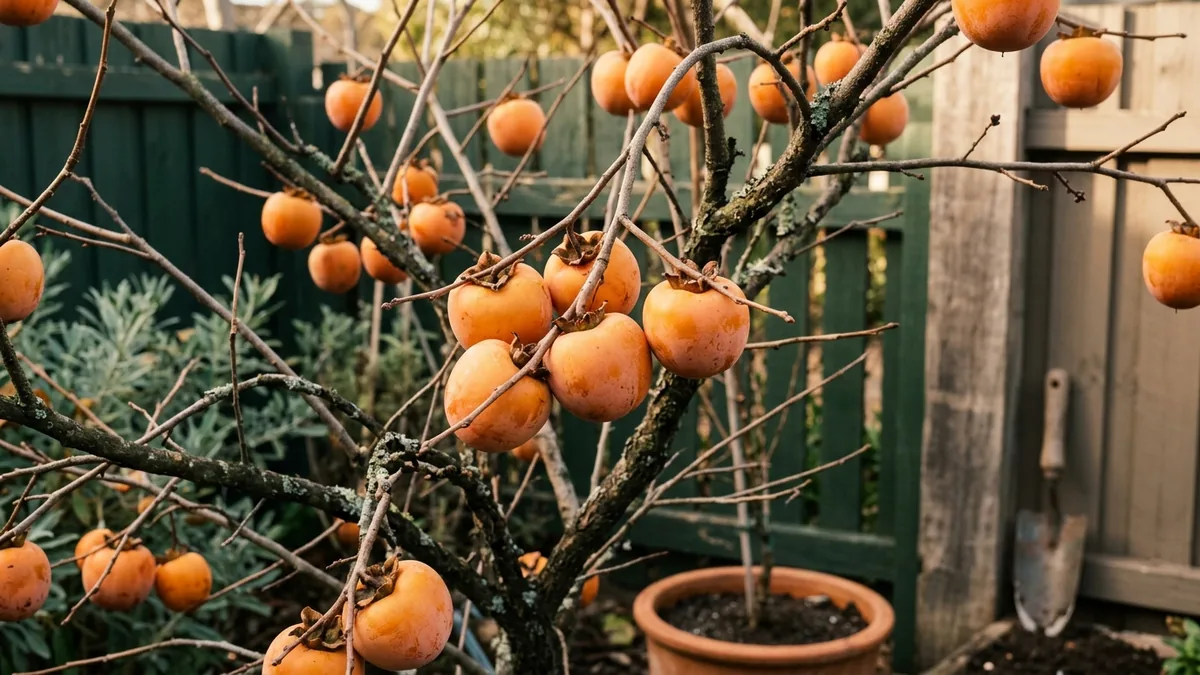
The fruit is russet brown with an open crown at one end, and it is picked hard and left to soften, a process called bletting, before it is eaten. Once soft, the flesh tastes something like spiced apple butter. This guide covers climate, varieties, planting and care, and how to blet.
When to Plant in Your Region
Medlars are planted as dormant bare-root or potted trees in winter. Plant from June to August in Sydney & Coastal NSW, Melbourne & Victoria, Adelaide & SA, Perth & WA, Tasmania and Canberra & ACT. It is not suited to South East Queensland, Northern Rivers NSW, North Queensland and Darwin & Top End. Choose your region below for the local calendar and any regional note.
Climate and Where It Grows in Australia
Medlars need a cool winter for dormancy and crop best without steamy summers.
The site lists medlar as suited to Sydney, Melbourne, Adelaide, Perth, Tasmania and Canberra, planted in winter. They are not reliable in South East Queensland or the Northern Rivers, where winters are too mild and humid summers reduce cropping, and they are not suited to the tropics. Because medlars flower late in spring, their blossom usually escapes frost, which makes them a good fit for cold districts.
- South East Queensland: not suited. Not reliable in SEQ. Medlars need a cool winter and crop poorly in humid summers.
- Northern Rivers NSW: not suited. Not reliable. Medlars need a cool winter and crop poorly in warm humid summers.
- Sydney & Coastal NSW: plant from June to August.
- Melbourne & Victoria: plant from June to August.
- Adelaide & SA: plant from June to August.
- Perth & WA: plant from June to August.
- Tasmania: plant from June to August.
- Canberra & ACT: plant from June to August.
- North Queensland: not suited. Not viable. Medlar needs a cool winter for dormancy. No chill on the tropical coast.
- Darwin & Top End: not suited. Not viable. Medlar needs winter chill. Darwin has none.
Choosing a Variety
Nottingham
An old variety with small to medium fruit and a fine flavour. The tree is fairly compact, which suits smaller gardens.
Dutch
Large fruit on a broad, spreading tree with an attractive weeping habit.
Royal
A more upright tree that crops well, with medium sized fruit.
Planting
Plant in winter in full sun or light shade. Medlars are not fussy about soil as long as it drains, and a pH of about 6 to 7 suits them.
- Space. Allow about 4 m between trees.
- Grafted trees. Medlars are usually sold grafted onto quince or hawthorn rootstock. Plant with the graft union above the soil.
- Staking. Stake young trees for the first year or two, as the branches grow in twisting, spreading shapes and can make the tree lopsided.
- Finish. Water in well and mulch, keeping mulch off the trunk.
Care
Watering
Water young trees through their first two summers. Established medlars are fairly drought tolerant, but water in long dry spells while fruit is sizing.
Feeding
Spread compost or a light, balanced fertiliser in late winter. Medlars do not need rich feeding.
Pruning
Shape young trees to a short trunk with a few well spaced branches. After that, prune very little in winter: take out dead, crossing and crowded wood, and remove any suckers from the rootstock. The naturally twisting branch pattern is part of the tree's charm, so there is no need to straighten it.
Pollination
Medlars are self-fertile, so a single tree crops on its own. The late flowering helps the blossom avoid spring frosts.
Pests and Diseases
Medlars are very hardy, and the plant library lists few problems.
- Birds and possums. The fruit is hard on the tree and usually ignored, but softening fruit left on the tree late can be taken.
- Rot during bletting. The most common loss happens in storage, not on the tree. Store only sound, undamaged fruit and check it every few days.
Occasional leaf spots in wet seasons rarely need treatment. Raking up fallen leaves in autumn keeps the tree clean.
Harvest and Storage
Leave the fruit on the tree as long as you can into late autumn, ideally until the leaves are colouring and falling. Pick on a dry day, when the fruit comes away easily. It will still be hard.
- Spread the fruit in a single layer, crown side down, on straw or paper in a cool, dark, airy place.
- Over two to four weeks the flesh turns from pale and hard to brown and soft. This is bletting.
- Check every few days and remove any fruit that goes mouldy.
- Eat bletted fruit by squeezing or spooning the soft flesh from the skin, leaving the seeds.
Medlars that are part bletted, still a little firm, make an excellent jelly. See our Jam and Jelly guide.
Track Your Medlar Tree
Add medlars to your garden in the Planting Season app and get reminders for planting, care and harvest, tuned to your region.
Open the App →Frequently Asked Questions
When should I plant medlars in Australia?
It depends on your region. Plant from June to August in Sydney & Coastal NSW, Melbourne & Victoria, Adelaide & SA, Perth & WA, Tasmania and Canberra & ACT. It is not suited to South East Queensland, Northern Rivers NSW, North Queensland and Darwin & Top End. Choose your region in the calendar on this page for the local window.
What does bletting mean?
Bletting is the softening of medlar fruit after picking. The hard, astringent fruit is stored somewhere cool for a few weeks until the flesh turns brown and soft, which is when it is sweet and ready to eat.
What does medlar taste like?
Bletted medlar flesh is soft and sweet, with a flavour often compared to apple butter or dates with a hint of spice. Unbletted fruit is hard and astringent.
Is a medlar tree self-fertile?
Yes. A single medlar tree sets fruit on its own, so you do not need a second tree.
See also: Medlar in the Plant Library