Beekeeper Registration in Australia, State by State
Updated June 2026. Registration is legally required everywhere, and every state does it differently.
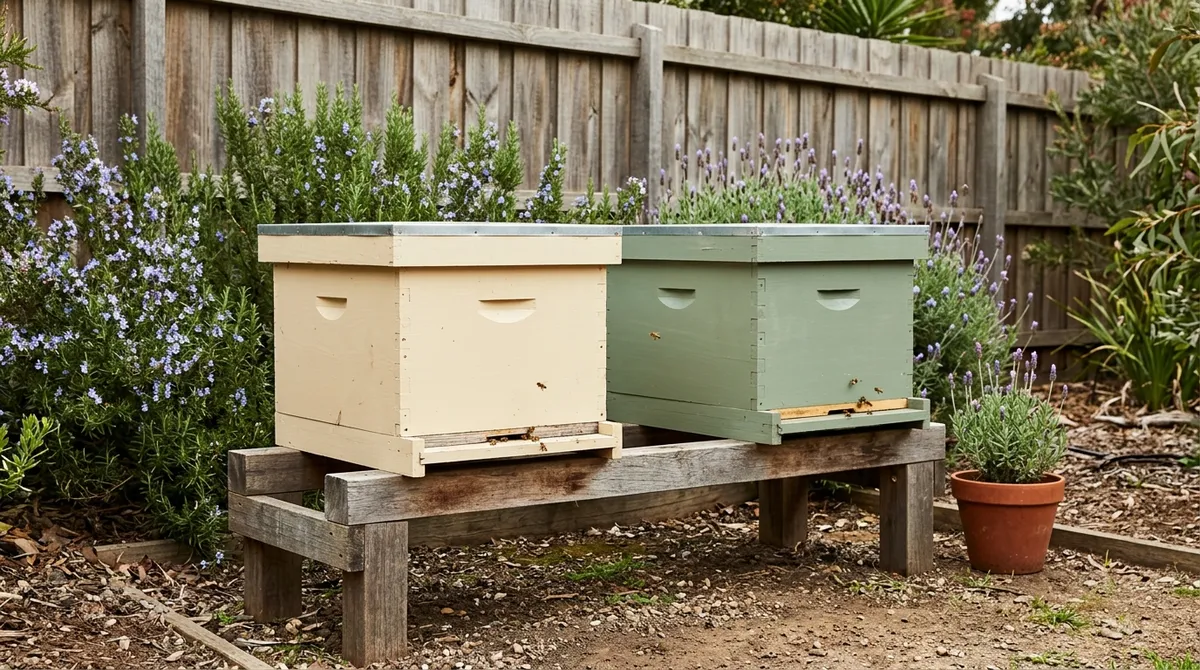
If you keep European honey bees anywhere in Australia, registration is mandatory before the bees arrive, whether you have one suburban hive or two hundred. It exists so biosecurity authorities can reach every beekeeper fast during an outbreak, which is exactly how the varroa response worked. Native stingless bees do not require registration in any state.
Queensland
- Register as a Registrable Biosecurity Entity (RBE) before keeping bees, even one hive
- Display your Hive Identification Number (HIN) on hives
- Monitor for varroa monthly with an alcohol wash and report via the Bee 123 form, even when you find nothing
- American foulbrood is notifiable within 24 hours
New South Wales
- Registration is mandatory through the Biosecurity & Food Safety portal
- Following the Australian Honey Bee Industry Biosecurity Code of Practice is a condition of registration
- Mark your registration number on your hives
- Varroa is established in NSW: keep monitoring and follow current DPIRD guidance
Victoria
- Register through BeeMAX; registration runs for 2 years
- Registration fees are waived from October 2025 for two years
- Your registered number (brand) must be marked on hives
- Abide by the Apiary Code of Practice
South Australia
- Registration is required every 12 months under the Livestock Act 1997
- Covers every hive style: Langstroth, flow, top bar, warre, nucleus and observation hives
- Mark your registered brand on hives
Western Australia
- Registration with DPIRD is mandatory and valid for 3 years
- Apply your allocated hive brand to every box, brood and supers, within 7 days of acquiring a hive
- WA strictly controls bees and used equipment entering the state
Tasmania
- Registration through BeeTAS is compulsory for all beekeepers, backyard or commercial
- Runs 2 years and is currently free
- Strict entry rules for bees and second-hand equipment crossing Bass Strait
ACT
- Registration is required, see BeeAware for the current ACT process
- Varroa is no longer notifiable in the ACT, though monitoring remains best practice
- Follow the national Code of Practice
Northern Territory
- Registration is required, see BeeAware for the current NT process
- The NT strictly controls bees and equipment arriving from interstate
- Follow the national Code of Practice
Once you're registered, the law in most states also expects you to keep records of inspections, treatments and monitoring. The Planting Season app logs all of it against each hive and exports a clean CSV whenever you need to show your work.
Get the monthly Australian backyard guide
What to plant, flock and hive jobs for the month, in one short email. No spam.
Unsubscribe any time.