
🌿 Mizuna, Growing Guide for SEQ
Everything you need to grow Mizuna in South East Queensland's subtropical climate.
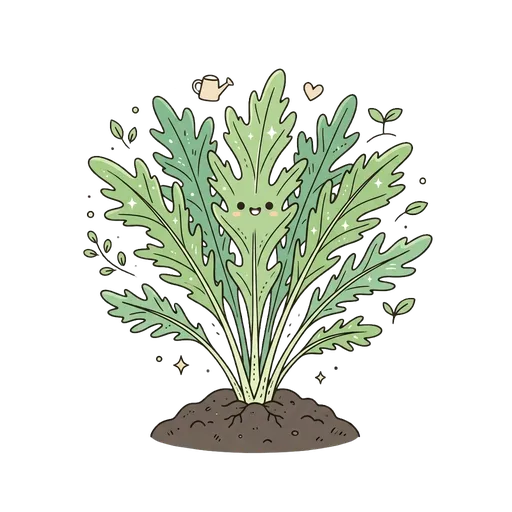
🌱 Plant profile: Mizuna, with sowing times for your region, companion plants and common pests.
When to Sow in SEQ
Japanese mustard green, ferny mild-peppery leaves. Cut-and-come-again for weeks. Great salad workhorse in cooler months.
Growing Requirements
Good Companions (Friends)
Recommended Varieties for SEQ
Green Mizuna
Classic ferny bright-green leaves. Mild mustard flavour, cut-and-come-again.
Red Mizuna
Purple-red veined form. Stunning in salad mixes. Same care, slightly slower.
Kitchen Uses
- Used fresh in Japanese salads (ohitashi)
- Added to stir-fries and hot pots
- Mixed into salad blends for peppery flavour
- Wilted into miso soup
Health Benefits
- Good source of vitamins A, C and K
- Contains minerals and antioxidants
- Low calorie Japanese green
- Supports digestive health
Pests & Diseases in SEQ
Common Pests
- Flea beetle
Common Diseases
- Downy mildew
Storage
Fridge in a damp cloth, up to 4 days
Value
Saves ~$3-5/week, gourmet green that's pricey in supermarkets
Related Guides
Track Mizuna in Your Garden
Drag Mizuna into your garden bed, get weekly reminders for watering, feeding, and harvesting.
Add Mizuna to My Garden →Frequently Asked Questions
When should I plant Mizuna in Brisbane?
In South East Queensland, Mizuna can be sown in March, April, May, June, July, August, September. Japanese mustard green, ferny mild-peppery leaves. Cut-and-come-again for weeks. Great salad workhorse in cooler months.
What are good companion plants for Mizuna?
Good companions for Mizuna in SEQ include Carrot, Lettuce.
What are the best Mizuna varieties for Queensland?
Top varieties for SEQ include Green Mizuna, Red Mizuna.
Plant profile
The mizuna profile has sowing times for your region, companion plants and common pests.