
Best Vegetables to Grow in Brisbane Shade
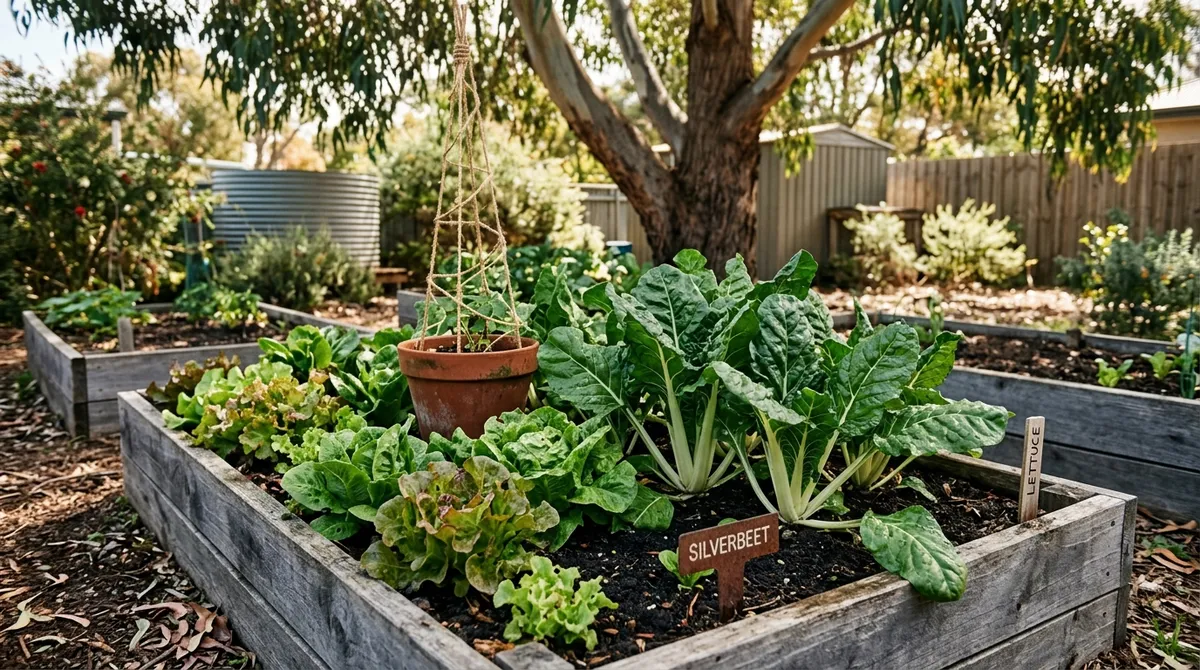
Most Brisbane backyards have shade from trees and fences. Learn which vegetables thrive in part shade, and how SEQ's intense summer sun makes shade an advantage.
Brisbane's tree-lined streets and leafy backyards mean many gardeners fight shade. Tree roots steal water, canopy blocks sun, nothing seems to produce. But in SEQ, shade is an underused asset. The summer sun here is so intense that partial shade actually protects crops from heat stress, extending the season. A smart shade gardener produces vegetables year-round in spaces full-sun growers would skip.
Understanding Shade in Your Garden
Shade isn't one thing. The amount of light changes by location, time of day, and season. Before you plant, assess your shady spots honestly.
Deep shade (under 2 hours direct sun): Only leafy greens work here. Lettuce, rocket, spinach, parsley, mint. These are happy in deep shade and bolt slower. Use deep shade for leafy greens in summer when heat is a problem.
Partial shade (2-4 hours direct sun): More options. Cool-season crops like kale, bok choy, tatsoi, mizuna all thrive. Some warm-season crops like beans and peas tolerate it. Position this zone to catch morning sun if possible (2-3 hours at sunrise), then dappled or solid shade by noon.
Dappled shade (4 to 6 hours filtered light): The sweet spot for most vegetables. Filtered light from deciduous trees is ideal. Fruiting crops like tomatoes and capsicums can produce here if they get at least 4 solid hours of direct morning sun, then dappled light afterward. Root vegetables like carrots and beetroot are happy in dappled shade. This zone is actually better than full sun in November to December.
Full sun (6+ hours direct sun unfiltered): Needed for heat-loving fruiting crops: tomatoes, capsicums, okra, zucchini. Also good for herbs and fruiting vines.
Leafy Greens for Deep Shade
These thrive with minimal light. Plant them under dense tree canopies or fence-shaded beds.
Lettuce (all varieties): Part shade tolerance is the key feature in summer. Partial shade slows bolting by weeks. In winter, lettuce grows fine in deeper shade. Deep shade in summer keeps lettuce from bolting during November heat waves.
Rocket: Fast, peppery, cut-and-come-again. Prefers part shade in warm months. Grows happily in 2-3 hours of morning sun, then shade. Bolts later in shade than full sun.
Spinach (true spinach, not Brazilian): Cool season only. Deep shade actually helps spinach avoid bolting in spring and autumn. Plant in shade under deciduous trees so you get dappled light as leaves grow in spring.
Mizuna and Tatsoi: Japanese mustard greens. Both handle part shade well. Mizuna especially is happy with 3-4 hours of light. Both bolt slower in shade.
Mustard Greens: Fast germinator, cut-and-come-again. Shade slows bolting. Part shade extends the autumn crop into November.
Parsley: Tolerates deep shade better than most herbs. Slow germinator, so start indoors. Biennial, flowers in second year. Part shade keeps plants happier year-round.
Sorrel: Perennial lemon-tangy leaves. Part shade to deep shade works. Acidic lemony flavour is stronger in cooler, shadier positions. Cut back hard in summer to prevent bolting.
Cool-Season Brassicas for Partial Shade
Autumn and winter crops that tolerate 3-5 hours of direct sun.
Kale: The cold-hardy champion. Grows best in part shade during cool months. Morning sun, afternoon dappled shade is ideal. Taste improves after cool nights, and shade extends the season longer.
Bok Choy: Quick autumn crop. 4-5 hours of morning and midday sun, then shade. Part shade keeps it crisp longer.
Broccoli and Cabbage: Both tolerate part shade (4-5 hours direct sun). In Brisbane, start these from seedlings in autumn, plant in part shade. Deep broccoli heads form faster when afternoons are shaded rather than scorching hot.
Cauliflower: Similar to broccoli. Part shade protects white heads from sun-scaling and discolouration. Plant in filtered light.
Root Vegetables in Dappled Shade
Carrots, beetroot, and radish all produce in dappled shade. The underground part doesn't care about light, but in summer, dappled shade cools the soil and reduces bolting.
Carrot: Grows in part shade (4 to 5 hours direct sun). Root size may be slightly smaller in shade, but flavour is sweeter. Dappled shade in November to December protects from heat stress and extends harvest.
Beetroot: Tolerates part shade well. Dappled light from deciduous trees is ideal. Underground beets develop fine. Leaf beet (silverbeet) is even more shade-tolerant and produces year-round.
Radish: The fastest crop (30 days). Even works in 2-3 hours of morning sun. Use shaded beds for spring and autumn succession sowings. Winter radishes (daikon) thrive in part shade.
Silverbeet: Year-round workhorse. Produces in part shade. Morning sun, afternoon dappled shade is perfect. Handles deep shade better than most vegetables.
Warm-Season Crops That Tolerate Partial Shade
Most fruiting vegetables demand full sun, but a few tolerate 4+ hours of direct light.
Beans: Bush beans produce better in full sun, but climbing beans (purple king, scarlet runner) tolerate 4-5 hours of direct sun plus dappled light. They still fruit, just slower. Snake beans (tropical vigna) actually appreciate afternoon shade in January heat.
Peas: Shade-tolerant compared to beans. Snow peas and sugar snap work in 4-5 hours of morning sun plus dappled afternoon shade. Peas bolt when it gets hot anyway, so shade is a bonus.
Cucumber: Prefers full sun but produces in part shade (4 to 5 hours direct). In November to December, partial shade actually helps cucumber stay productive longer instead of flowers dropping in heat stress.
Ginger and Turmeric: Both tropical roots that prefer filtered light. Dappled shade under tall trees is ideal. They're actually unhappy in harsh, unfiltered full sun.
Herbs for Shade
Mint: Thrives in part shade and prefers it. Morning sun, afternoon shade. Mint in full sun is smaller, tougher, less aromatic. Shade-grown mint is lush and flavourful.
Vietnamese Mint and Rau Ram: Tropical herbs that appreciate dappled shade in summer. Morning sun, afternoon dappled light is perfect.
Coriander: Bolts fast in heat and full sun. Part shade extends the season significantly. Morning sun only, shade by 10am.
Parsley, Chives: Both handle deep shade. Year-round in shade is fine.
Avoiding Shade: Root Competition
The real enemy of shade gardening isn't lack of light, it's competition from tree roots. Tree roots steal water and nutrients. Even shade-tolerant vegetables struggle if tree roots strangle the bed.
Test soil moisture first. Dig down 30cm in your shaded area. If the soil is dry and full of fine roots, the tree is consuming everything. Those vegetables will fight a losing battle.
Solutions: Raise the bed 20-30cm above the tree root zone. This gives you fresh soil above root competition. Or use containers (20cm+ pots) positioned in shade but away from trunk. Water more frequently in raised or container beds.
Plant shade vegetables at least 1.5-2m away from large tree trunks. Root zones expand outward; the further you are from the trunk, the less competition.
Summer Shade Is an Advantage
Here's the SEQ secret: partial shade in November and December is worth more than full sun. Lettuce, rocket, spinach, and summer radishes all bolt in the heat. Shade cloth or tree shade extends these cool-season crops 2-4 weeks beyond their normal season.
Carrot and beetroot in November heat can suffer sun-scalding and stress. Plant them in dappled shade and they grow longer, sweeter, better.
Tomatoes and capsicums in unrelenting November to December sun drop flowers from heat stress. In mildly shaded positions (dappled light, morning sun, afternoon shade), they keep flowering and fruiting while full-sun gardens hit a September to November production wall.
If you have tree shade, don't fight it. Instead, see it as an advantage. Position heat-sensitive crops there in early summer, let full-sun crops dominate in winter when shade deepens.
Assessing Your Light: The Hand-Shadow Test
At the spot where you want to garden, stand at solar noon (true midday) and look at your shadow.
- Clear sharp shadow: Full sun (6+ hours direct). Grows anything.
- Fuzzy shadow: Dappled shade (4-6 hours filtered). Most vegetables work.
- Barely visible shadow: Deep shade (under 3 hours direct). Leafy greens and herbs only.
Repeat the test at winter solstice (late June) and summer solstice (late December). Light changes seasonally. A spot that's deep shade in winter might be dappled in summer as deciduous trees leaf out. Plan accordingly.
Container Gardening in Shade
Containers are the ultimate shade solution. Grow heat-sensitive crops in pots, move them between shade and light as the season changes. Spinach in winter gets morning sun, moved to deep shade in October. Lettuce moves from sunny spots in March to afternoon shade by November.
20cm pots for leafy greens, 25cm for root vegetables, 30cm+ for fruiting crops. Use quality potting mix, not garden soil. Water daily in warm months (containers dry fast). Feed every 2-3 weeks with dilute liquid fertiliser.
Frequently Asked Questions
How much shade is too much for growing vegetables?
Most vegetables need 4-6 hours of direct sun. Deep shade (less than 2 hours direct sun) only works for leafy greens like lettuce, rocket, spinach, and parsley. Partial shade (4-6 hours, ideally morning sun) is fine for most cool-season crops and some warm-season fruiting plants. Full sun-demanding crops like tomatoes and capsicums need 6+ hours of unfiltered direct sun to fruit well.
Is dappled shade better than afternoon shade?
For SEQ, morning sun plus afternoon shade is better than dappled shade all day. Morning sun warms and dries foliage (reduces disease), and afternoon shade protects from peak heat. Dappled shade from trees works well year-round, but in winter it may be too dim for fruiting crops. Position shade-tolerant vegetables where they get morning sun and tree shade from 1pm onward.
Can I move containers into shade in summer?
Yes, containers are perfect for this. Grow heat-sensitive crops like spinach or lettuce in sunny spots in winter, then move them under trees or shade cloth in summer. Carrots, beets, and root vegetables also appreciate afternoon shade in November to December. You can follow the seasons with containers, which is impossible with in-ground beds.
Free Monthly Planting Calendar
Get a personalised email each month with what to plant, seasonal tips, and harvest reminders for your region.
We send one email per month. Unsubscribe any time.