
Stop Buying Lettuce: The 10-Month Salad Garden for SEQ
Build a continuous supply of fresh greens with smart succession planting, heat-tolerant varieties, and a clever summer gap-filler strategy.
Bagged lettuce at the supermarket costs $3-5 per head, and half the time it's already bolting. Brisbane's climate lets you grow fresh salad greens for 10 months straight. The trick is understanding which varieties work in which months, sowing every 2-3 weeks, and switching to heat-loving alternatives during the peak summer sweat.
🌱 Plant profile: Lettuce, with sowing times for your region, companion plants and common pests.
The SEQ Salad Calendar: What to Grow When
Lettuce thrives in cool to mild temperatures (ideal: 15-22°C). Above 28°C, it bolts faster than you can pick it. In SEQ, that means March through October is your prime growing window. The garden goes quiet in January and February when the heat is relentless.
Use this rough schedule to plan your year:
- March to May (Autumn): Prime growing season. Lettuce, rocket, mizuna, tatsoi, spinach, mustard greens all go. Sow every 2 weeks.
- June to August (Winter): Still excellent. Cool nights and mild days mean slow-bolting, long-lasting crops. Sow every 2 to 3 weeks. Try cold-hardy varieties like Bloomsdale spinach and Tuscan kale.
- September to October (Early Spring): Fast growth. Days warming up, nights still cool. Sow more frequently (every 10 days) to stay ahead of bolting.
- November (Late Spring): Risky. Heat arrives unpredictably. Your March to May plantings will still produce if shaded. Plant heat-tolerant varieties only (Green Mignonette lettuce, rocket). Use shade cloth.
- December to February (Summer): The gap. Forget cool-season greens. Switch to kangkong, Brazilian spinach (perennial), or sweet potato leaves. These thrive in heat.
The Succession Planting Formula
Succession planting is simple: sow a small amount every 2-3 weeks so you harvest continuously instead of everything at once.
Lettuce takes about 55 days from seed to full head. If you sow on March 1, harvest around April 25. If you sow again on March 15, you harvest May 9. By May 1, your first planting is mostly picked, your second is nearly ready, and you plant a third. This staggered approach means the salad bowl is never empty.
How much to sow each time? That depends on your family size. A 1-metre bed holds about 16 lettuce plants at 25cm spacing. If you eat 2 heads per week, plan for 8-10 plants in constant supply. So sow 8-10 seeds or seedlings every 2 weeks.
Which Varieties for Which Months
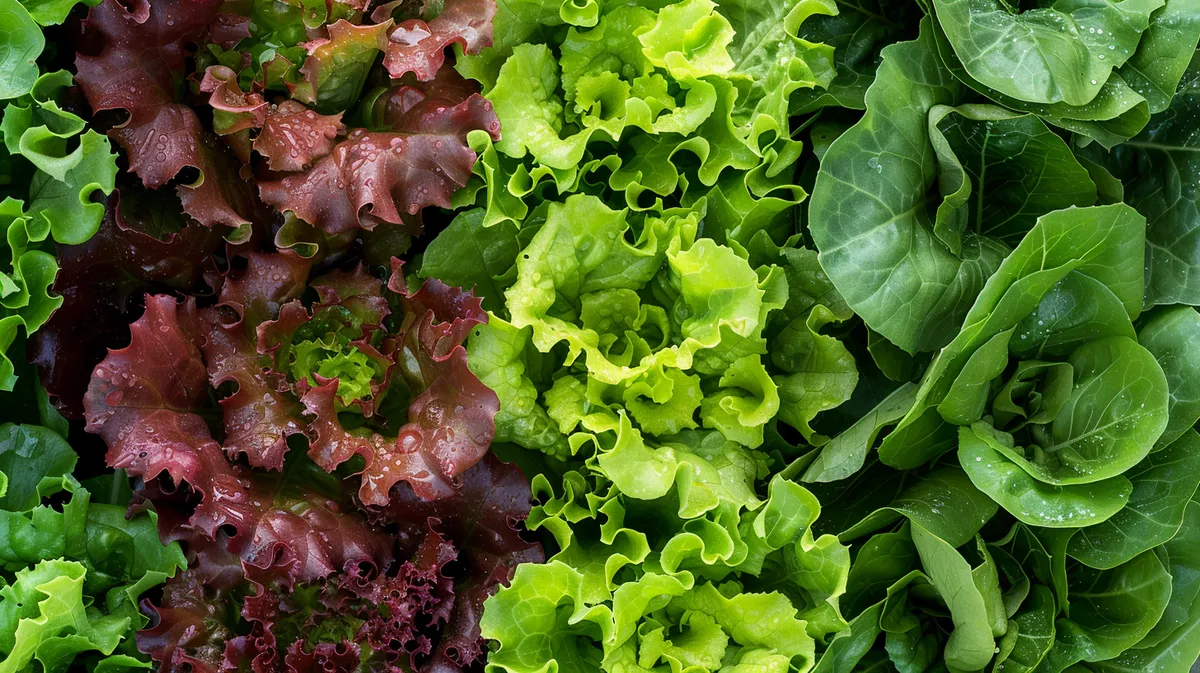
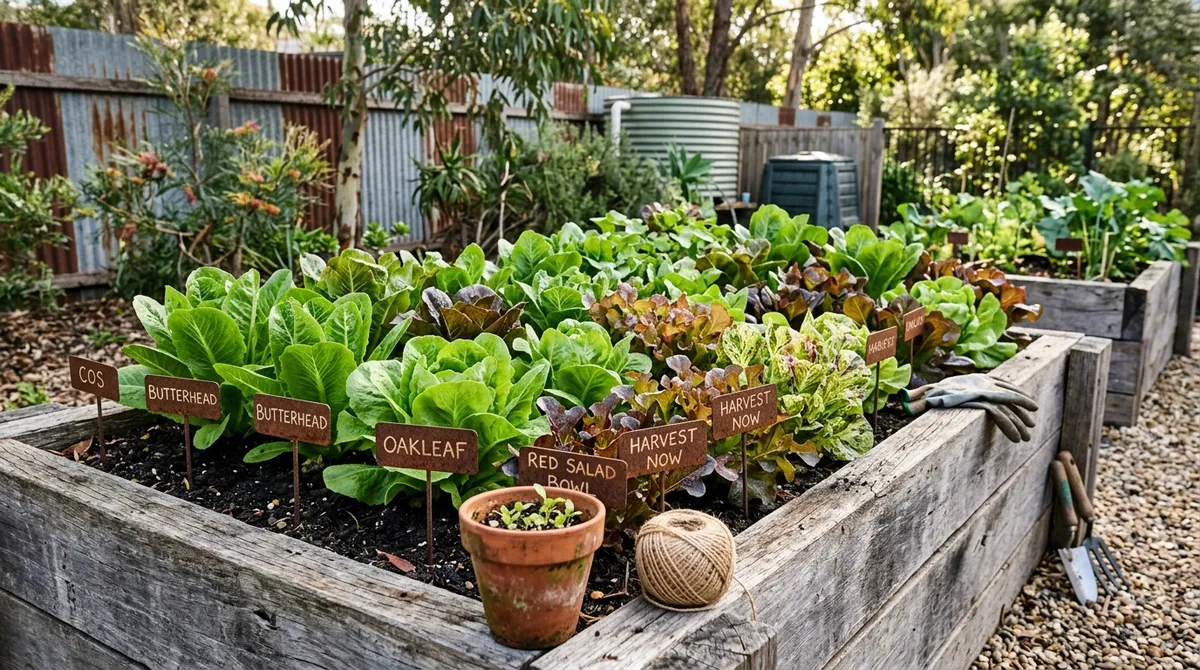
Lettuce: The cornerstone. Choose heat-tolerant varieties for November and December when things get tricky. Green Mignonette is the SEQ workhorse, especially heat-tolerant. Buttercrunch is reliable year-round except peak summer. Cos (Paris Island) bolts later than butterhead types, great for shoulder seasons. Oak Leaf and Red Coral are fast, cut-and-come-again types for constant picking.
Rocket: Peppery, fast (40 days), and mild when young. Sow March through September only. Once October hits and heat approaches, bolting becomes inevitable. Standard rocket bolts faster in heat than wild rocket (Sylvetta), but both struggle in summer. Skip December to February entirely.
Mizuna: Japanese mustard green with delicate, ferny leaves. Mild, peppery, and excellent raw. Perfect March to September. Sow every 3 weeks. Bolts in November heat.
Tatsoi: Fast (45 days), flat rosette of dark spoon-shaped leaves. Better in cool months but tougher than most greens. March through October. Worth succession sowing 3-4 times per year.
Mustard Greens: Asian staple. Fast germination (5 days), ready in 40 days. Crunchier than lettuce, peppery flavour. Sow March to October. Use Red Giant for stunning ornamental beds.
Spinach: True spinach (Bloomsdale Long Standing, English Spinach) is pure cool season in the subtropics. Sow only April to July. In summer, grow Brazilian spinach instead (perennial heat-lover).
The Summer Gap: Heat-Loving Alternatives
January and February, forget lettuce. Instead, grow these heat worshippers.
Kangkong (Land/Upland): Also called water spinach, but grown in normal soil. Broad leaves, hollow stems, mild flavour similar to spinach. It regrows after harvest for months. Plant 2-3 upland kangkong plants in November. By December, pinch tips and pick leaves continuously. One plant easily feeds a family for a month.
Brazilian Spinach (Samba Lettuce): Perennial in SEQ. Crinkly dark-green leaves, mild flavour. Once established (set out as cuttings in spring), it produces year-round. Pick leaves from a single plant, it regrows. In summer heat, it thrives where regular spinach burns out. Most reliable heat-tolerant leafy green.
Sweet Potato Leaves: If you're growing sweet potato for the tubers (harvest winter), the vines produce edible leaves throughout. Nutrient-rich, slightly earthy flavour. Harvest the youngest leaves and stems. The plant keeps producing through summer.
Plant these three together in a small corner in spring. By December, that corner becomes your salad source.
Spacing and Planting Depth
Lettuce (25cm spacing): Sow seed directly 0.5cm deep, thin seedlings to 25cm apart once they have true leaves. Or start seedlings indoors 3 weeks before planting out. Space plants 25cm apart in all directions.
Rocket (15cm spacing): Sow seed 0.5cm deep, thin to 15cm. Fast and forgiving.
Mizuna and Tatsoi (20cm spacing): Sow 0.3-0.5cm deep, thin or transplant to 20cm.
Mustard Greens (25cm spacing): Sow 0.5cm deep, thin to 25cm for full heads, or leave closer (10cm) for cut-and-come-again baby greens.
Shade Cloth: Your Summer Secret
Afternoon shade cloth extends the lettuce season into November. A 30-50% shade cloth (cloth that blocks 30-50% of sunlight) lets you grow Green Mignonette or heat-tolerant rocket a few weeks longer than unshaded beds.
Install shade cloth from 11am to 3pm starting in October. You'll be amazed how much it slows bolting. Morning and late afternoon sun still helps, but the brutal midday heat is filtered. Pair this with careful watering (water deeply morning and evening in October to November) and you get 2-4 extra weeks of production.
Container Growing on Balconies
Small space? Balconies, patios, and even windowsills work. Lettuce, rocket, mizuna, and tatsoi all thrive in 20cm pots. Use quality potting mix, position pots where they get morning sun and afternoon shade (or full afternoon shade in summer), and water daily in warm months.
Container advantage: you move pots to chase the best light. In October, move pots to shadier spots. In winter, move to sunnier positions. This flexibility means year-round production in tight spaces.
Downside: containers dry faster. In summer, daily watering is non-negotiable. Mulch the soil surface to retain moisture.
Watering and Feeding
Salad greens need consistent, gentle moisture. Aim for 3-4 litres per square metre every 2 days during cool months, more in warm. Soil should feel like a wrung-out sponge, never soggy, never dry.
Feed once at planting time with well-rotted compost or a balanced organic fertiliser. Most greens don't need extra feeding if the soil is rich. Mizuna, tatsoi, and mustard greens especially are light feeders. Lettuce prefers slightly richer soil, so mix in extra compost before autumn plantings.
Pest and Disease Watch
Slugs, aphids, and flea beetles love salad greens. Hand-pick slugs in early morning. Row covers over seedlings deter flea beetles during spring and autumn. Aphids appear in warm months, spray with a hose or use organic insecticide.
Downy mildew is a fungal disease that appears as white fuzzy undersides on leaves, especially in cool, damp conditions. Space plants well for air flow, avoid wetting foliage, and harvest infected leaves promptly. Baking soda spray (1 tablespoon per 1 litre water) helps early infection.
From Seed or Seedlings?
Direct seed is cheaper and surprisingly reliable. Sprinkle seed, keep moist, thin when 2cm tall. Takes 10 days to germinate, then 45 days to full size.
Seedlings are faster. Start indoors 3 weeks before planting, set out as bunches, thinned as needed. Some gardeners buy nursery seedlings. Four seedlings in a 1-metre bed gives you dinner salad every 2-3 days.
Succession planting works better with seed: buy one packet of lettuce seed, sow a pinch every fortnight for months. Seedling trays and nursery visits add up quickly.
Harvesting and Storage
Lettuce is ready when full heads form, usually 50-55 days from seed. Cut whole heads at soil level with a sharp knife, or pick individual outer leaves and let the plant regrow. Loose-leaf types like Oak Leaf and Red Coral re-generate endlessly if you pick gently.
Rocket, mizuna, tatsoi, and mustard greens are cut-and-come-again. Start harvesting at 30 days, pick outer leaves, and the plant regrows for weeks. A single 1m bed of tatsoi yields salad mix for 2-3 people for 60+ days with regular picking.
Refrigerate fresh greens in a damp cloth or sealed bag. Most last 5-7 days. Eat soon after harvest for best flavour and nutrition.
Frequently Asked Questions
Why does my lettuce bolt in summer?
Lettuce bolts when temperatures stay above 28°C for long periods. In SEQ summer (December to January), ambient heat combined with long daylight triggers bolting. Choose heat-tolerant varieties like Green Mignonette, use afternoon shade cloth, and skip growing during peak summer. Stick to leafy greens that tolerate heat better: kangkong, Brazilian spinach, and sweet potato leaves.
How often should I succession sow lettuce?
Sow every 2-3 weeks from March through October to maintain continuous supply. Each planting takes 55 days to maturity from seed. Stagger succession by 2 weeks if you want overlap, or 3 weeks if you prefer more variety in ripeness and texture. This approach yields roughly 4-6 heads per month depending on your bed size.
Can I grow salad greens in containers on a balcony?
Yes, absolutely. Lettuce, rocket, mizuna, and tatsoi thrive in 20cm pots. Use quality potting mix, position pots in morning sun and afternoon shade, and water daily in warm months. Container growing gives you mobility to chase the ideal light and temperature conditions. Spring and autumn are most reliable; summer requires shade management.
Plant profile
The lettuce profile has sowing times for your region, companion plants and common pests.
Free Monthly Planting Calendar
Get a personalised email each month with what to plant, seasonal tips, and harvest reminders for your region.
We send one email per month. Unsubscribe any time.