
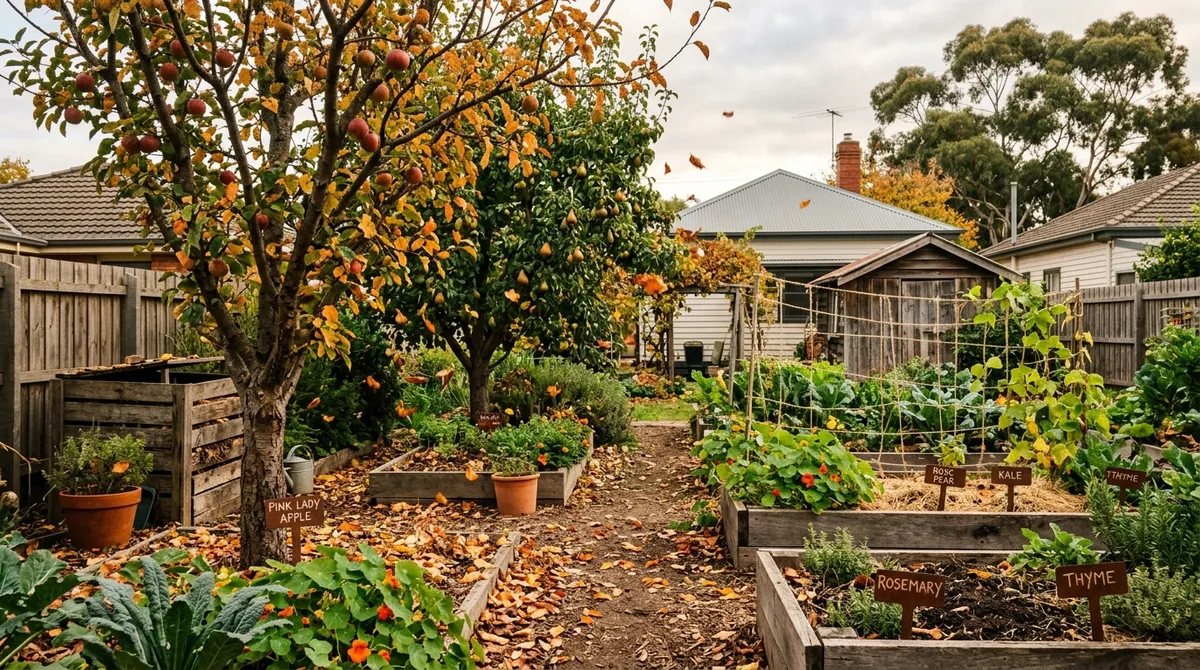
Best Fruit Trees for Melbourne Gardens
Melbourne's cold winters unlock fruit that warmer regions struggle to grow
Melbourne gardeners have a fruit-growing advantage that most of Australia envies: cold winters. The chill hours that make winter uncomfortable for people are exactly what stone fruit, apples, pears, and berries need to produce heavy crops. The Yarra Valley, Mornington Peninsula, and Dandenong Ranges produce some of Australia's best fruit commercially, and your backyard can do the same on a smaller scale.
Melbourne's cool temperate climate provides 400 to 800 chill hours depending on your suburb. Inner suburbs like Richmond and Fitzroy sit at the lower end. Outer eastern suburbs like Lilydale, Belgrave, and Emerald receive significantly more cold. This range means you can grow almost any temperate fruit tree with the right variety selection.
Understanding Chill Hours
Chill hours are the cumulative hours below 7 degrees Celsius that a deciduous fruit tree experiences during winter dormancy. Trees need this cold period to break dormancy properly, flower evenly, and set fruit. A tree that does not receive enough chill hours produces erratic flowering, poor fruit set, and reduced yields.
Melbourne inner suburbs (Prahran, Northcote, Yarraville) typically accumulate 400 to 500 chill hours. Middle suburbs (Glen Waverley, Box Hill, Moonee Ponds) average 500 to 600. Outer suburbs and hills areas (Dandenong Ranges, upper Yarra Valley, Macedon Ranges) receive 600 to 800 or more. When selecting fruit tree varieties, match the tree's chill requirement to your suburb's chill hours. Nursery labels usually list low-chill, medium-chill, or high-chill.
Top 10 Fruit Trees for Melbourne
1. Apple
Melbourne produces excellent apples. Granny Smith, Pink Lady, Fuji, Gala, and Jonathan all perform well across most suburbs. Cox's Orange Pippin, Bramley (a superb cooking apple), and Gravenstein suit the cooler outer suburbs. Most apples need a pollination partner, so plant two varieties that flower at the same time, or choose a self-fertile variety like Granny Smith.
Rootstock choice determines the tree's final size. M26 (semi-dwarf) produces a tree of 3 to 4 metres, which suits most backyards. M9 (dwarf) keeps trees to 2 to 2.5 metres and is good for espalier along fences. MM106 (semi-vigorous) grows larger (4 to 5 metres) and suits bigger gardens. Ask the nursery which rootstock was used before buying. Apples on dwarfing rootstock fruit earlier (often in the second year) but need staking for life, as the rootstock produces a shallow root system.
2. Pear
Pears are equally productive and often longer-lived than apples. Williams (Bartlett), Beurre Bosc, Packham, and Corella are reliable Melbourne varieties. Pears can bear for 50 years or more once established. Plant bare-rooted trees in winter. Most pears need a pollination partner. Williams and Packham pollinate each other well.
Pears on Quince C rootstock produce smaller trees (3 to 4 metres) that suit suburban gardens. Standard pear rootstock produces a large tree (6 to 8 metres) that is better suited to acreage. Pear and cherry slug (a small, slimy larvae) is the most common pest. Spray with pyrethrum or dust with wood ash when you spot them on leaves.
3. Plum
Japanese plums (Santa Rosa, Satsuma, Mariposa) fruit reliably in Melbourne's inner and middle suburbs. European plums (Greengage, Damson, Imperial Gage) suit outer suburbs and hills areas with more chill. European plums make outstanding jam and can be dried as prunes. Most plums need a pollination partner, so plant two compatible varieties or choose a self-fertile variety like Santa Rosa.
Plums on Citation rootstock produce semi-dwarf trees of 3 to 4 metres. Standard rootstock produces trees of 4 to 6 metres. Prune plums in late summer (February) rather than winter, as winter pruning opens wounds to silverleaf disease, which is more active in cold, wet conditions.
4. Cherry
Cherries need the most chill hours of any stone fruit and do best in Melbourne's outer eastern suburbs, the Dandenong Ranges, and the Yarra Valley. Stella and Lapins are self-fertile varieties that produce well without a pollination partner. Protect ripening fruit from birds with netting. Cherries in inner Melbourne may produce poorly due to insufficient chill.
Sweet cherries on Colt rootstock produce medium-sized trees (4 to 5 metres). Gisela 5 is a dwarfing rootstock that keeps trees to 2.5 to 3 metres. Cherry trees dislike heavy clay and waterlogged soil, so plant in a well-drained position or raised bed. Cherries flower early in spring and can be damaged by late frosts.
5. Fig
Figs thrive in Melbourne. They handle the cold winters (they are deciduous and go fully dormant) and love the warm, dry summers. Black Genoa and Brown Turkey are the most reliable varieties. White Adriatic and White Genoa also perform well. Plant against a north-facing wall for best results. Figs fruit on both old and new wood, giving you two crops: an early breba crop in December to January on last year's growth, and a main crop in February to April on current season wood.
Fig trees grow vigorously and can reach 6 metres unpruned. Prune in winter to control size. Figs grow on their own roots (no grafting needed), so you can propagate new trees from hardwood cuttings taken in winter. They tolerate Melbourne's clay soils if drainage is adequate.
6. Citrus (Lemon, Mandarin, Orange)
Citrus grows well in Melbourne but needs a warm, sheltered position. North-facing walls are ideal. The reflected heat and wind protection make the difference between a productive tree and a struggling one.
- Meyer Lemon: The most reliable lemon for Melbourne. Hardy, heavy cropping, and more frost-tolerant than other lemons. Produces fruit almost year-round once established. Compact tree (2 to 3 metres).
- Eureka Lemon: More frost-sensitive than Meyer but produces true acid lemons. Suits inner suburbs or sheltered positions.
- Imperial Mandarin: The best mandarin for Melbourne. Sweet, easy-peel fruit in winter. Reasonably frost-tolerant once established.
- Washington Navel Orange: Suits warmer Melbourne suburbs. Needs frost protection when young. Produces sweet fruit from June to September.
- Tahitian Lime: The most frost-sensitive common citrus. Only suits inner Melbourne in a warm, sheltered spot. Consider growing in a large pot that can be moved under cover in winter.
Plant citrus in spring (September to November) after frost risk passes. Feed regularly with citrus fertiliser from spring through autumn. Protect young trees from frost for their first two to three winters with frost cloth or hessian wrapping.
7. Feijoa
Feijoa (also called pineapple guava) is an underrated fruit tree for Melbourne. Self-fertile, frost-hardy, and low-maintenance. Apollo and Gemini are reliable varieties. The fruit tastes like a mix of pineapple, guava, and mint. The petals are edible too and taste sweet. Feijoas grow 2 to 4 metres tall and can be hedged. They are evergreen and attractive year-round. Fruit falls from the tree when ripe (March to May) and should be collected from the ground daily.
8. Persimmon
Fuyu (non-astringent) is the best backyard variety. You can eat the fruit like an apple while still firm. Hachiya (astringent) must be fully soft before eating, but makes exceptional dried fruit and baking. Persimmons produce beautiful autumn colour (bright orange and red leaves) before dropping. Virtually pest-free. They grow 4 to 5 metres and tolerate a wide range of soils. Plant bare-rooted trees in winter. Persimmons need 200 to 500 chill hours, which all Melbourne suburbs provide easily.
9. Quince
Quince is a traditional Melbourne fruit tree that deserves a comeback. The fruit cannot be eaten raw (it is hard and astringent) but makes exceptional paste (membrillo), jelly, poached desserts, and additions to apple pies. Smyrna and Pineapple are good varieties. Quince trees are tough, drought-tolerant once established, and produce reliably. They grow 3 to 5 metres, tolerate heavy clay, and have beautiful pale pink blossoms in spring. Plant bare-rooted trees in winter.
10. Blueberry
Melbourne's climate is outstanding for blueberries. The chill hours, reliable rainfall, and mild summers produce exceptional fruit. Blueberries need acidic soil (pH 4.5 to 5.5), which is uncommon in Melbourne's naturally alkaline clay. Grow them in large pots or raised beds filled with a mix of azalea/camellia potting mix, pine bark, and peat. Brightwell, Bluecrop, and Sunshine Blue are proven Melbourne varieties. Plant two varieties for cross-pollination and better fruit set. Blueberry bushes are attractive, with red and orange autumn foliage.
Planting Calendar for Melbourne Fruit Trees
June to August: Bare-Root Season
This is the best time to plant deciduous fruit trees. Bare-rooted trees are available at nurseries and online suppliers from June through August while dormant. They are cheaper than potted trees, and bare roots establish faster because they are not circling in a pot. Soak roots in a bucket of water for a few hours before planting. Dig a hole wide enough to spread roots without bending them. Position the graft union 5 to 10 centimetres above soil level. Backfill with the original soil (do not add compost to the planting hole for bare-root trees, as this creates a "bathtub" effect in clay). Water in well and mulch around the tree, keeping mulch 15 centimetres away from the trunk.
June to August: Pruning
Prune deciduous fruit trees while they are dormant. Remove dead, diseased, and crossing branches. Shape the tree to an open vase or central leader form. Winter pruning encourages vigorous spring growth. Exception: prune plums and cherries in late summer instead to avoid silverleaf disease.
September to November: Spring Planting
Plant container-grown citrus, feijoas, and other evergreen fruit trees in spring after the last frost. Spring planting gives them a full growing season to establish before their first winter. Feed newly planted trees with a slow-release fertiliser in October.
December to February: Summer Care
Thin fruit on apples, pears, and stone fruit in November or December to improve fruit size and prevent branch breakage. Water deeply during dry spells. Net stone fruit and berries against birds as fruit starts to colour. Harvest and enjoy.
Rootstock Guide for Melbourne
The rootstock is the root system onto which a fruit tree variety is grafted. It controls the tree's final size, vigour, disease resistance, and how quickly it begins fruiting. Choosing the right rootstock is as important as choosing the right variety.
- Apple M9 (dwarf): Tree height 2 to 2.5 metres. Fruits in 2 to 3 years. Needs permanent staking. Excellent for espalier, small gardens, and pots.
- Apple M26 (semi-dwarf): Tree height 3 to 4 metres. Fruits in 3 to 4 years. Most popular rootstock for backyard apple trees in Melbourne. Tolerates heavier soils than M9.
- Apple MM106 (semi-vigorous): Tree height 4 to 5 metres. More vigorous and tolerant of poor soils. Suits larger gardens.
- Pear Quince C (dwarfing): Tree height 3 to 4 metres. Keeps pear trees manageable for suburban gardens. Not all pear varieties are compatible with quince rootstock, so check before buying.
- Stone fruit Citation (semi-dwarf): Tree height 3 to 4 metres. Works for peaches, nectarines, plums, and apricots. Good for Melbourne's clay soils.
- Cherry Gisela 5 (dwarf): Tree height 2.5 to 3 metres. Keeps sweet cherries to a manageable, nettable size.
Nurseries in Melbourne that stock a good range of fruit trees on named rootstock include Bulleen Art and Garden (BAAG), Gardenworld Braeside, Diggers Club, and specialist online nurseries like Daleys and Engall's. Winter is the time to visit, as the full bare-root range is only available from June to August.
Track Your Fruit Tree Calendar
Get pruning, feeding, and harvest reminders for Melbourne fruit trees.
Open the Planting Season AppFrequently Asked Questions
What fruit trees grow best in Melbourne?
Melbourne's cool temperate climate is excellent for apples, pears, plums, cherries, figs, citrus (lemons, mandarins, oranges), feijoas, persimmons, quinces, and blueberries. The cold winters provide the chill hours that many deciduous fruit trees need.
When should I plant fruit trees in Melbourne?
Plant bare-rooted deciduous fruit trees (apples, pears, plums, cherries) in June, July, or August while they are dormant. Plant container-grown evergreen trees (citrus, feijoas) in spring from September to November after the frost risk has passed.
What are chill hours and why do they matter in Melbourne?
Chill hours are the cumulative hours below 7 degrees during winter dormancy. Deciduous fruit trees need this cold period to break dormancy, flower properly, and set fruit. Melbourne provides 400 to 800 chill hours depending on suburb. Match your variety choice to your suburb's chill hours.
What rootstock should I choose for fruit trees in Melbourne?
For apples, M26 (semi-dwarf, 3 to 4 metres) or M9 (dwarf, 2 to 2.5 metres) suit suburban backyards. For stone fruit, Citation is a semi-dwarfing rootstock that keeps trees manageable. For pears, Quince C produces smaller trees. Ask your nursery which rootstock was used.
Can I grow citrus in Melbourne?
Yes, lemons, limes, mandarins, oranges, and cumquats all grow in Melbourne. They need a warm, sheltered position, ideally against a north-facing wall. Meyer Lemon, Eureka Lemon, and Imperial Mandarin are the most reliable varieties.
Free Monthly Planting Calendar
Get a personalised email each month with what to plant, seasonal tips, and harvest reminders for your region.
We send one email per month. Unsubscribe any time.