
🫛 Snake Beans, Growing Guide for SEQ
Everything you need to grow Snake Beans in South East Queensland's subtropical climate.
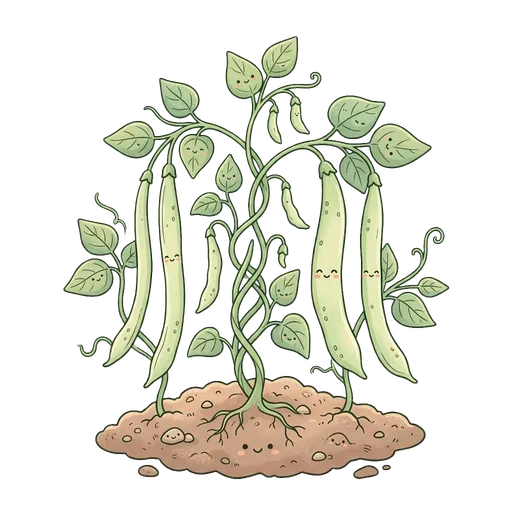
🌱 Plant profile: Snake Beans, with sowing times for your region, companion plants and common pests.
When to Sow in SEQ
Long (40-60 cm) climbing bean, a SEQ summer staple. Incredibly productive. Harvest before beans are fully filled for best texture. Trellis essential.
Growing Requirements
Good Companions (Friends)
Keep Apart (Enemies)
Kitchen Uses
- Stir-fried with garlic and oyster sauce
- Used in Thai and Indonesian curries
- Blanched and served with sambal
- Added to fried rice and noodles
Health Benefits
- Good source of plant protein and fibre
- Contains vitamins A and C
- Rich in minerals and antioxidants
- Tropical summer vegetable staple
Pests & Diseases in SEQ
Common Pests
- Aphids
- Bean fly
Common Diseases
- Anthracnose
Storage
Fridge in a bag, up to 5 days. Blanch and freeze well
Value
Saves ~$3-6/week, highly productive climbing bean, a staple of Asian cooking
Track Snake Beans in Your Garden
Drag Snake Beans into your garden bed, get weekly reminders for watering, feeding, and harvesting.
Add Snake Beans to My Garden →Frequently Asked Questions
When should I plant Snake Beans in Brisbane?
In South East Queensland, Snake Beans can be sown in September, October, November, December, January, February, March. Long (40-60 cm) climbing bean, a SEQ summer staple. Incredibly productive. Harvest before beans are fully filled for best texture. Trellis essential.
What are good companion plants for Snake Beans?
Good companions for Snake Beans in SEQ include Carrot, Corn. Avoid planting near Garlic, Onion.
Plant profile
The snake beans profile has sowing times for your region, companion plants and common pests.