
SEQ Microclimate Planting Guide
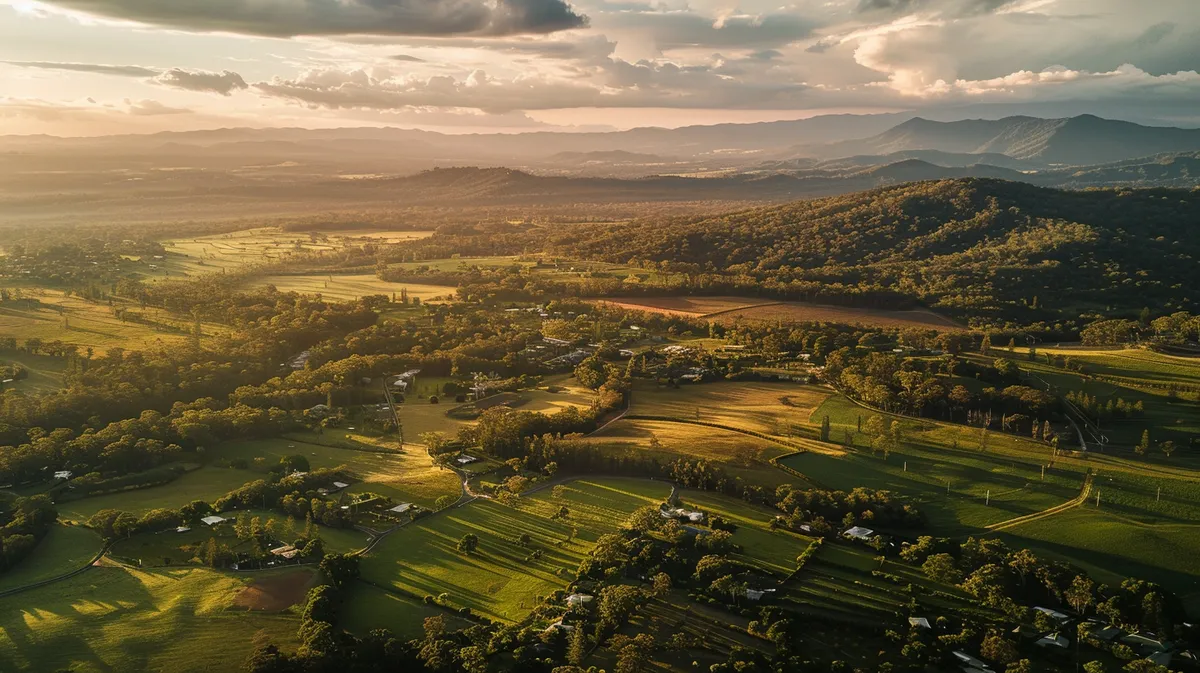
South East Queensland is not one climate. Find your microclimate zone and discover which plants perform best in your area, from Gold Coast beaches to the Toowoomba range.
SEQ spans 150 kilometres from north to south and covers five distinct climates. The difference between Southport and Maleny is bigger than the difference between Brisbane and Sydney. Coastal zones have tropical summers and frost-free winters. Brisbane has a subtropical climate. The Lockyer Valley has inland frosts. Toowoomba and the Darling Downs are cool and frost-prone. Maleny and the hinterland above 800 metres experience heavy frost every winter.
Your microclimate determines which plants thrive and which struggle. Tropical fruit trees (mango, banana, pawpaw) grow reliably on the Gold Coast but die in Toowoomba. Cool-season brassicas perform well in the hinterland but bolt quickly on the coast. Always identify your zone first, then select plants suited to it.
| Zone | Areas | Signature Crops | Watch For | Frost Risk |
|---|---|---|---|---|
| Coastal | Gold Coast, Sunshine Coast, Redcliffe, coastal Brisbane | Banana, pawpaw, mango, passionfruit, chilli (perennial), tropical herbs | Powdery mildew, downy mildew, fruit fly year-round, salt spray | Frost-free |
| Greater Brisbane | Logan, Moreton Bay, inner suburbs | Everything performs well. Tomato, all brassicas, herbs, citrus | Fruit fly from October, waterlogging in clay after rain, urban heat | Rare light frost |
| Western and Inland | Ipswich, Lockyer Valley | Garlic, leek, beetroot, carrot, eggplant | Frost on clear still nights, grasshoppers in dry summers | Light frosts Jul to Aug |
| Toowoomba and Darling Downs | Higher elevation, cooler year-round | Brussels sprouts, broad beans, peas, parsnips, all brassicas, excellent garlic | Frost May to Aug, wind exposure on the range | Regular frost May to Aug |
| Hinterland | Maleny, Montville, Scenic Rim, Granite Belt | Pears, some apples, broad beans, parsnips, Brussels sprouts, Davidson plum, finger lime, lemon myrtle | Extended frost Jun to Aug, slug and snail pressure | Heavy frost to minus 5 degrees C |
Understanding Your Zone
Coastal Zone (Frost-Free)
Gold Coast, Sunshine Coast, Redcliffe, and coastal Brisbane never experience frost. This zone can grow tropical and subtropical crops year-round. Bananas, pawpaws, mangoes, and passion fruits are signature crops. The challenge is not frost but disease pressure from humidity and year-round pest activity, especially fruit fly. Powdery mildew and downy mildew thrive in the humid, warm conditions. Choose disease-resistant varieties and invest in fruit fly traps from September onwards.
Greater Brisbane (Rare Light Frost)
Logan, Moreton Bay, and inner suburbs experience light frosts so rarely that you can grow almost everything. Frost risk is minimal (less than once a year) but waterlogging is a real problem after heavy rain. Many Brisbane soils are clay, which holds water. Improve drainage with raised beds, mulch, and high-organic-matter soil. Urban heat from concrete and buildings can make microclimates warmer. Gardens on south-facing slopes stay cooler in summer.
Western and Inland Zone (Light Frosts)
Ipswich and the Lockyer Valley experience light frost on clear, still nights in July and August. This zone is ideal for autumn and winter crops. Frost risk is 2 to 3 nights a year. Plant frost-sensitive crops (tomato, cucumber, beans) after the last frost (usually late August). Garlic, leeks, and root vegetables thrive here. Grasshoppers can be severe in dry summers. This zone sits between the humidity of Brisbane and the cold of Toowoomba.
Toowoomba and Darling Downs (Regular Frost)
Above 700 metres, temperatures drop sharply. Toowoomba and the Darling Downs experience regular heavy frosts May to August, sometimes to minus 2 degrees Celsius. Tropical crops (banana, mango, pawpaw) will die. Focus on cool-season crops. All brassicas, peas, broad beans, Brussels sprouts, and root vegetables excel. Garlic grows exceptionally well here. Wind exposure on the range is severe in spring, so plant windbreaks or choose sheltered north-facing slopes.
Hinterland (Heavy Frost)
Above 800 metres, frosts are heavy and sustained. Maleny, Montville, Scenic Rim, and the Granite Belt experience frost from June to August, regularly dropping to minus 3 or minus 5 degrees Celsius. Tropical crops will not survive. Stone fruits (pears, some apples) thrive. Cool-season vegetables grow excellently. Native finger limes, Davidson plums, and lemon myrtles are adapted to this climate. Slug and snail pressure is severe due to moisture. Plan for higher humidity and extended frost. This is the coolest agricultural zone in SEQ.
Choosing Plants for Your Zone
Start with your zone's signature crops. These perform reliably. Coastal gardeners should focus on tropical fruits and warm-season vegetables. Brisbane gardeners can grow almost anything but must manage fruit fly. Inland gardeners should embrace cool-season crops and avoid tropical plants. Toowoomba gardeners should expect frost and choose accordingly. Hinterland gardeners should focus on stone fruits, cool crops, and native plants.
Do not fight your climate. A mango tree in Maleny will take five years to fruit, be stunted, and eventually die in a severe frost. A head of lettuce in coastal Brisbane will bolt to seed in three weeks. Work with your zone's natural advantages. Your garden will be healthier and more productive.
Frequently Asked Questions
Is all of SEQ the same climate for growing?
No. South East Queensland spans tropical coastal zones, temperate Brisbane, inland frost zones, the cool Darling Downs, and the mountain hinterland above 800 metres. The difference between Southport and Maleny is bigger than the difference between Brisbane and Sydney. Coastal areas are frost-free and hot year-round. Toowoomba and Maleny have regular heavy frosts. Always check your specific microclimate before planting.
Which zone am I in?
Greater Brisbane includes Logan, Moreton Bay, and inner suburbs. Western and Inland includes Ipswich and Lockyer Valley. Toowoomba and Darling Downs is above 700 metres with regular frost. Hinterland includes Maleny, Montville, Scenic Rim, and Granite Belt above 800 metres. Most of SEQ below 400 metres is warm and subtropical.
Can I grow tropical plants in the Toowoomba range?
No. Toowoomba (700 to 800 metres) and Darling Downs regularly experience heavy frost May to August. Tropical plants (banana, pawpaw, mango) will die. Focus on cool-season crops, stone fruits, apples, and European vegetables. Hinterland areas above 800 metres are even colder with frosts to minus 5 degrees. Check your average minimum temperatures and frost dates before choosing tropical varieties.
Free Monthly Planting Calendar
Get a personalised email each month with what to plant, seasonal tips, and harvest reminders for your region.
We send one email per month. Unsubscribe any time.