
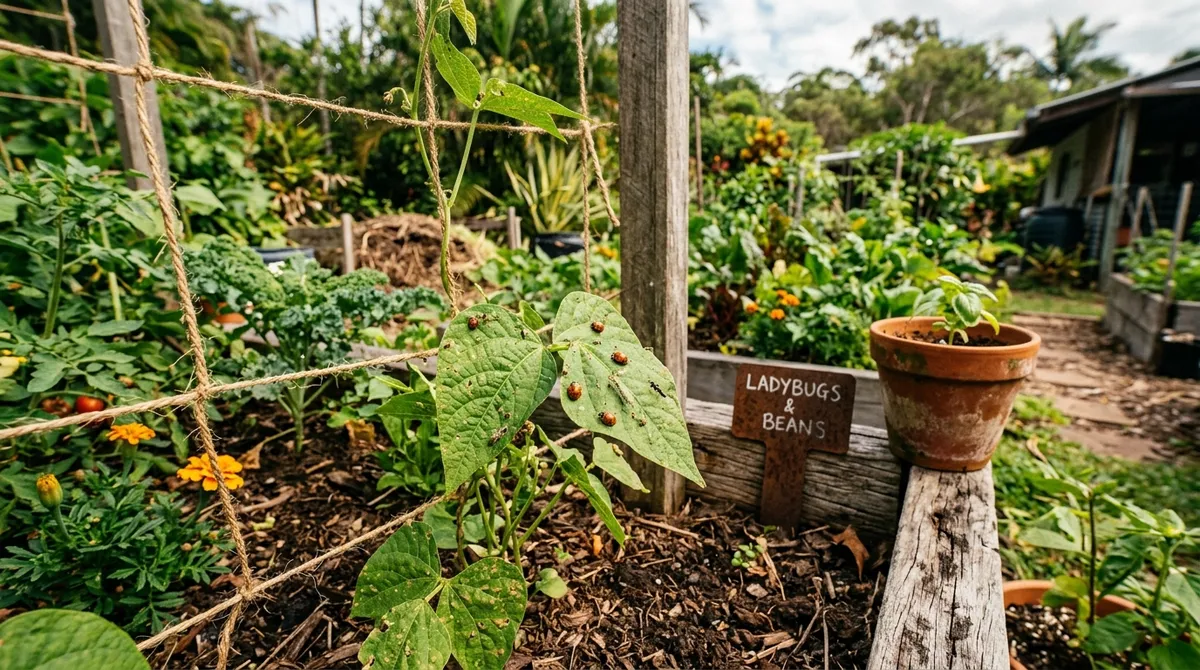
Pest Management in North Queensland
Fruit fly, cane toads, tropical caterpillars, and fungal diseases in Townsville, Cairns, and the Atherton Tablelands
Pest pressure in North Queensland is relentless. The warm, humid climate supports year-round insect activity, and there is no hard winter to knock populations back. Fruit fly is active every month of the year. Caterpillars breed continuously. Fungal diseases explode during the wet season. Successful gardening in the tropics requires consistent, proactive pest management rather than reactive treatment after damage is done.
The good news is that most pest problems can be managed with physical barriers, good hygiene, and targeted organic treatments. Chemical sprays are rarely the best option and often make things worse by killing the beneficial predators that help keep pest numbers in check.
Fruit Fly: The Number One Threat
Queensland fruit fly (Bactrocera tryoni) is the single biggest challenge for North Queensland gardeners. Unlike southern Australia, where fruit fly has a seasonal peak from November to April, populations in Townsville and Cairns remain high year-round. Female flies lay eggs into ripening fruit. The larvae (maggots) feed inside the fruit, making it inedible.
Fruit fly attacks tomatoes, capsicum, chilli, eggplant, cucumber, zucchini, and almost every fruiting crop. Stone fruits, citrus, and tropical fruits are also vulnerable.
Control Methods
- Exclusion netting: The most effective method. Cover entire plants or garden beds with fine mesh netting (openings less than 1mm). Install netting before flowers open and keep it in place until harvest is complete. This prevents female flies from reaching the fruit entirely.
- Protein bait sprays: Apply Naturalure or similar protein bait spray to foliage (not fruit) weekly. The spray attracts and kills adult flies. Reapply after rain. Spray surrounding trees and fences as well as crop plants.
- Early picking: Harvest fruit at the colour-break stage (just showing the first hint of colour) and ripen indoors on a bench. Fruit fly prefers ripe or near-ripe fruit, so early picking reduces stinging rates significantly.
- Hygiene: Remove every fallen fruit from the ground daily. Dispose of infested fruit by sealing in a black plastic bag and leaving in full sun for 48 hours before putting in the bin. Composting infested fruit allows larvae to pupate and emerge as adult flies.
- Monitoring traps: Hang male-attractant traps (cue-lure traps) around the garden to monitor population levels. High trap catches signal increased risk. Traps alone do not control fruit fly, but they provide early warning.
Caterpillars and Grubs
Heliothis (Corn Earworm / Tomato Grub)
Heliothis caterpillars bore into tomato fruit, corn cobs, and bean pods. The green or brown caterpillars are 30-40mm long and leave a clean round hole at the entry point. They are active year-round in North Queensland, with peak numbers during the dry season when vegetable gardens are most productive.
Check plants daily. Hand-pick caterpillars in the early morning when they are most visible. Apply Bt (Bacillus thuringiensis) spray weekly as a preventive measure. Bt is an organic bacterial spray that targets caterpillars specifically without harming beneficial insects. Spray in the late afternoon, as UV light breaks down the active ingredient quickly.
Cluster Caterpillar
Cluster caterpillars (Spodoptera litura) attack in groups. A single egg cluster can produce 200-300 tiny caterpillars that strip leafy vegetables overnight. Brassicas, lettuce, Asian greens, and sweet potato leaves are common targets. Check the undersides of leaves for egg masses (grey-brown fuzzy patches) and remove them before they hatch.
Bt spray works against cluster caterpillars if applied before they reach 15mm in length. Larger caterpillars become resistant. Hand-picking is effective for small infestations. Encourage parasitic wasps, which lay their eggs inside caterpillars, by planting flowering herbs like dill and coriander nearby.
Cabbage White Butterfly
The small white butterfly lays single yellow eggs on brassica plants. The green caterpillars feed on cabbage, broccoli, cauliflower, and kale. Exclusion netting (5mm mesh is sufficient for butterflies) is the simplest solution. Bt spray applied weekly provides good control for unnetted plants.
Fungal Diseases in the Wet Season
The wet season (December to March) brings humidity levels above 80% and daily rainfall that creates ideal conditions for fungal pathogens. The most common fungal problems in North Queensland gardens:
- Powdery mildew: White powdery coating on leaves of cucurbits (pumpkin, zucchini, cucumber). Spray with potassium bicarbonate solution (1 tablespoon per litre of water) at the first sign. Improve airflow around plants.
- Downy mildew: Yellow patches on upper leaf surfaces with grey fuzz underneath. Common on basil, lettuce, and cucurbits. Remove affected leaves immediately. Preventative copper spray before the wet season helps.
- Anthracnose: Dark, sunken spots on fruit and leaves. Common on mango, avocado, capsicum, and beans. Copper-based sprays applied before flowering reduce severity. Remove and dispose of infected plant material.
- Bacterial wilt: Affects tomatoes, capsicum, and eggplant. Plants wilt suddenly and die within days. The bacteria (Ralstonia solanacearum) lives in the soil and thrives in warm, wet conditions. Rotate planting positions every year. Use raised beds with fresh potting mix. Grafted plants on resistant rootstock offer the best protection.
Prevention Strategies
Prevention is far more effective than treatment for fungal diseases. Space plants generously to allow airflow. In the Cairns region, allow 50% more space between plants than recommended on seed packets. Avoid overhead watering entirely. Water at the base of plants using drip irrigation. Mulch with coarse material that does not hold excessive moisture.
Remove diseased foliage promptly. Do not compost it. Bag and bin diseased material to prevent spore spread. Apply copper-based fungicide preventatively in November, before the wet season begins, to protect vulnerable crops.
Cane Toads and Other Wildlife
Cane toads are abundant throughout North Queensland, from Townsville to Cairns and across the Tablelands. They do not directly damage vegetable crops, but they pose a serious risk to pets and reduce populations of beneficial predators. Cane toads eat beetles, spiders, and other insects that would otherwise help control garden pests.
Remove standing water from the garden to reduce breeding habitat. Empty saucers under pots, fix dripping taps, and cover water features at night. Install low barriers (smooth plastic sheeting, 40 centimetres high) around garden beds to exclude toads. Keep pet food and water bowls indoors at night.
Possums, flying foxes, and birds damage ripening fruit. Netting fruit trees and vegetable beds protects crops. Use wildlife-safe netting with mesh smaller than 5mm to prevent animal entanglement.
Encouraging Beneficial Insects
A healthy population of beneficial insects is the most effective long-term pest management strategy. Ladybirds, lacewings, parasitic wasps, hover flies, and predatory mites all feed on common garden pests.
Attract beneficials by planting flowering herbs and companion plants among your vegetables. Dill, coriander, basil flowers, marigolds, and alyssum all provide nectar for parasitic wasps and hover flies. Avoid broad-spectrum insecticides, which kill beneficials along with pests.
Provide habitat for beneficial insects by leaving some areas of the garden slightly wild. A small patch of undisturbed mulch, a few logs, or a bunch of hollow stems create shelter for predatory insects and spiders.
Stay on Top of Pest Season
Get seasonal alerts for pest activity and treatment timing in your part of North Queensland.
Open the Planting Season AppFrequently Asked Questions
What are the worst garden pests in North Queensland?
Queensland fruit fly is the biggest threat, active year-round with no winter break. Heliothis caterpillars attack tomatoes, corn, and beans. Cluster caterpillars strip leafy greens overnight. Whitefly and aphids build populations rapidly in the warmth. During the wet season, fungal diseases including powdery mildew, downy mildew, and anthracnose are constant problems.
How do I control fruit fly in North Queensland?
Exclusion netting is the most reliable method. Cover fruiting plants with fine mesh netting (less than 1mm openings) from flowering through to harvest. Apply protein bait sprays like Naturalure weekly to surrounding foliage. Pick fruit early (at the colour-break stage) and ripen indoors. Remove all fallen fruit from the ground daily.
Do cane toads damage vegetable gardens?
Cane toads themselves do not eat vegetables. The main concern is their toxicity to pets and native predators that would otherwise help control garden pests. Cane toads eat beneficial insects including beetles and spiders. They also eat dog and cat food left outdoors. Keep gardens tidy, remove standing water where toads breed, and install low barriers around garden beds.
How do I prevent fungal diseases during the wet season?
Good airflow is the most important factor. Space plants generously, prune for open growth, and avoid overhead watering. Use raised beds for drainage. Remove and dispose of any diseased foliage immediately. Apply copper-based fungicide preventatively before the wet season begins. Choose disease-resistant varieties whenever possible.
Free Monthly Planting Calendar
Get a personalised email each month with what to plant, seasonal tips, and harvest reminders for your region.
We send one email per month. Unsubscribe any time.